Mastering Layering: 4 Essential Techniques for Chic Winter 2026 Outfits
Anuncios
Mastering Layering: 4 Essential Techniques for Chic Winter 2026 Outfits
As the crisp air of Winter 2026 descends, the annual fashion dilemma resurfaces: how to stay warm without sacrificing style? The answer, my friends, lies in the art of layering. Far more than just piling on clothes, effective layering is a strategic approach to dressing that combines functionality with aesthetic appeal. It’s about creating depth, texture, and visual interest while ensuring you remain comfortably insulated against the chill. This comprehensive guide will delve into four essential winter layering techniques that will transform your cold-weather wardrobe, helping you master winter layering techniques and achieve effortlessly chic outfits.
Anuncios
Forget bulky, shapeless ensembles. With the right winter layering techniques, you can craft sophisticated looks that are both practical and fashion-forward. We’ll explore everything from the foundational base layers to the statement outerwear, ensuring every piece serves a purpose – whether it’s trapping warmth, adding a pop of color, or defining your silhouette. By the end of this article, you’ll be equipped with the knowledge to navigate the coldest days with confidence and flair, making winter layering techniques your secret weapon for Winter 2026.
Technique 1: The Foundation – Smart Base Layers
The secret to successful layering begins right at the skin. Your base layer is arguably the most critical component of any winter outfit, yet it’s often overlooked. Its primary function is to wick away moisture from your body, keeping you dry, and to provide an initial layer of insulation. Choosing the right materials here is paramount for mastering winter layering techniques.
Anuncios
The Power of Natural Fibers: Merino Wool and Silk
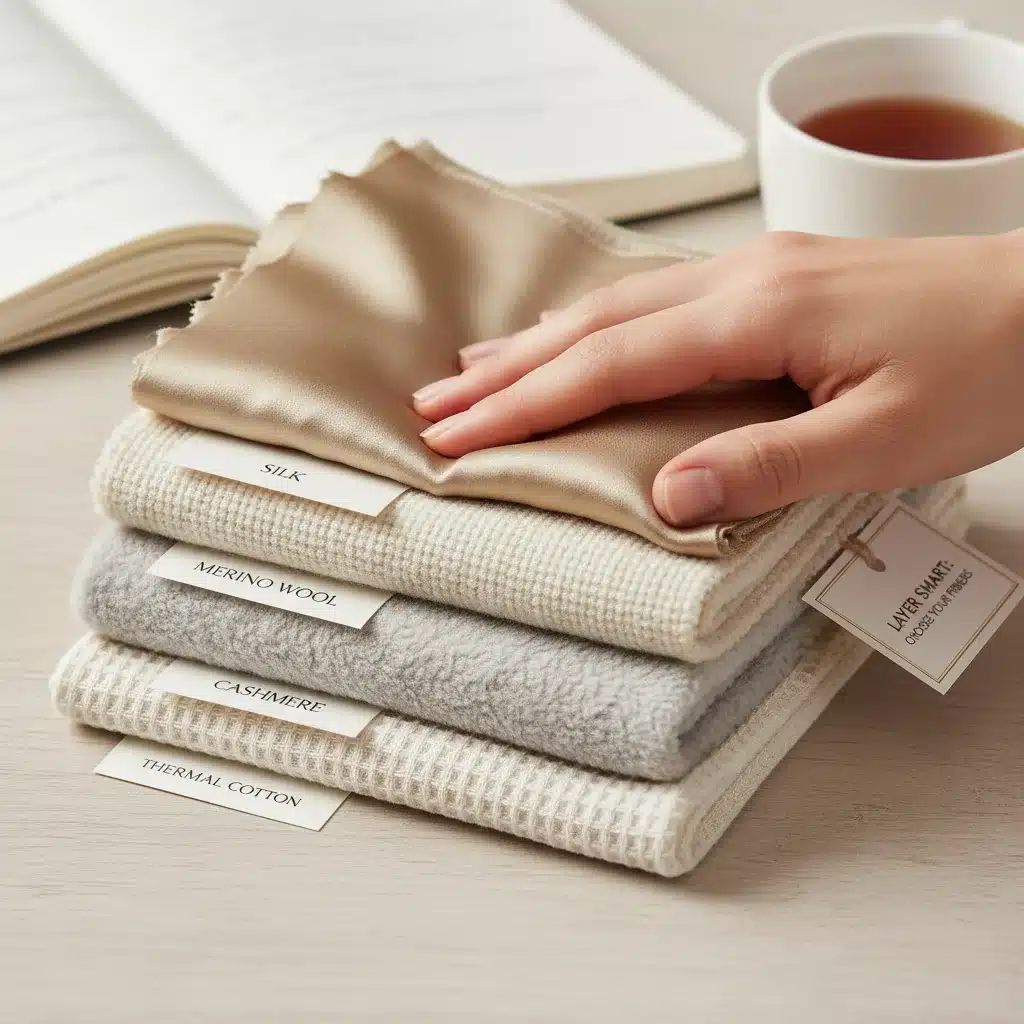
When it comes to base layers, synthetic fabrics have their place, but natural fibers like merino wool and silk are truly unparalleled. Merino wool is a game-changer. It’s incredibly soft, breathable, naturally odor-resistant, and boasts exceptional thermoregulating properties – meaning it keeps you warm when it’s cold and cool when it’s warm. Unlike traditional wool, merino is fine-fibered and non-itchy, making it ideal for direct skin contact. Invest in thin merino wool long-sleeved tops and leggings as your primary base. They are lightweight, add minimal bulk, and provide maximum warmth. Silk, while less common for active base layers, offers luxurious warmth, breathability, and a smooth feel, making it perfect for more formal or sensitive skin applications.
Understanding Synthetic Alternatives
For high-activity days or budget-conscious choices, synthetic base layers made from polyester or blends can be effective. Look for “performance” or “thermal” labels, as these fabrics are designed specifically for moisture-wicking. While they may not offer the same natural odor resistance or breathability as merino, modern synthetics have come a long way in comfort and performance. The key is to choose “technical” fabrics that are designed to move sweat away from your body, preventing that clammy feeling that can quickly lead to a chill.
Fit is Everything
Regardless of the material, your base layer should fit snugly against your skin without being restrictive. A close fit ensures optimal moisture-wicking and insulation. Avoid anything too loose, as air pockets between your skin and the fabric will reduce its effectiveness. Conversely, a layer that’s too tight can restrict movement and circulation, leading to discomfort. Think of it as a second skin – it should move with you effortlessly.
Incorporating smart base layers into your daily routine is the first and most crucial step in mastering winter layering techniques. It sets the stage for warmth and comfort, allowing you to build stylish and functional outfits on top.
Technique 2: The Insulator – Adding Warmth Without Bulk
Once your base layer is in place, the next step in perfecting winter layering techniques is to add an insulating layer. This layer is designed to trap warm air close to your body, providing the bulk of your warmth. The challenge here is to maximize warmth without creating excessive bulk, which can lead to a shapeless silhouette. This is where strategic material choices and garment types come into play.
Mid-Layers: Sweaters, Cardigans, and Fleece
The mid-layer is typically where you introduce more significant warmth. Cashmere, merino wool, and alpaca sweaters are excellent choices for their superior insulation and luxurious feel. They are lightweight yet incredibly warm. For a more casual or active look, fleece jackets or vests offer excellent warmth-to-weight ratios. Consider different weights and textures to add visual interest to your outfit.
- Cashmere: Unmatched for softness and warmth, a cashmere sweater is a timeless investment.
- Merino Wool: Again, merino shines here. A chunky merino knit or a fine-gauge cardigan can be incredibly versatile.
- Fleece: Ideal for active wear or for those who prefer a more relaxed aesthetic. Look for microfleece for less bulk.
- Down Vests: A lightweight down vest can be an excellent insulating layer, especially under a looser coat. It keeps your core warm without restricting arm movement.
Strategic Placement and “The Sandwich Method”
Think of your layers as a sandwich. The base layer is the “bread,” the insulator is the “filling,” and the outer layer is the “other bread.” This visual helps you understand the progression of warmth and protection. For your insulating layer, consider how it interacts with your base layer. A V-neck sweater over a crew-neck base can create a pleasing neckline, while a cardigan allows for easy temperature adjustment. The goal is to add warmth efficiently without making you feel constricted. This approach is central to effective winter layering techniques.
The Role of Fit in Insulation
While the base layer should be snug, your insulating layer can have a slightly looser fit. This allows for a small amount of air to be trapped between the layers, which further aids in insulation. However, “looser” does not mean baggy. A well-fitting sweater or cardigan will drape nicely over your base layer without bunching or adding unnecessary bulk. The aim is to create a smooth transition between layers, contributing to a streamlined and elegant silhouette. Mastering this aspect of fit is crucial for sophisticated winter layering techniques.
By carefully selecting your insulating layers, you can build a wardrobe that offers versatile warmth, allowing you to adapt to varying temperatures throughout the day. This strategic approach ensures you remain comfortable and stylish, no matter how cold it gets.
Technique 3: The Outer Layer – Protection and Statement
The outer layer is your first line of defense against the elements – wind, snow, and rain. But it’s also the most visible part of your outfit, making it a critical component for both protection and making a style statement. Choosing the right outerwear is essential for rounding out your winter layering techniques.
Coats, Jackets, and Parkas: Form Meets Function
Your choice of outer layer should depend on the severity of the weather and the occasion. For extreme cold, a down-filled parka with a waterproof or water-resistant shell is indispensable. Look for features like sealed seams, adjustable hoods, and storm cuffs for maximum protection. For milder winter days, a stylish wool coat, a classic trench, or a tailored puffer jacket can be perfect. The key is to ensure it’s substantial enough to shield you from the elements while complementing your overall outfit.
- Wool Coats: Elegant and warm, wool coats (cashmere blends are even better) are perfect for urban environments and more formal occasions. Look for tailored cuts that can accommodate layers underneath without looking bulky.
- Puffer Jackets: Modern puffer jackets are no longer just for the slopes. Sleek, lightweight, and often made with innovative insulation, they offer excellent warmth and can be very stylish.
- Parkas: For the coldest climates, a well-insulated parka with a fur-lined (or faux-fur) hood provides ultimate protection.
- Trench Coats (with liners): A trench coat with a removable thermal liner can be surprisingly warm and versatile, especially in transitional weather.
Considering the Silhouette
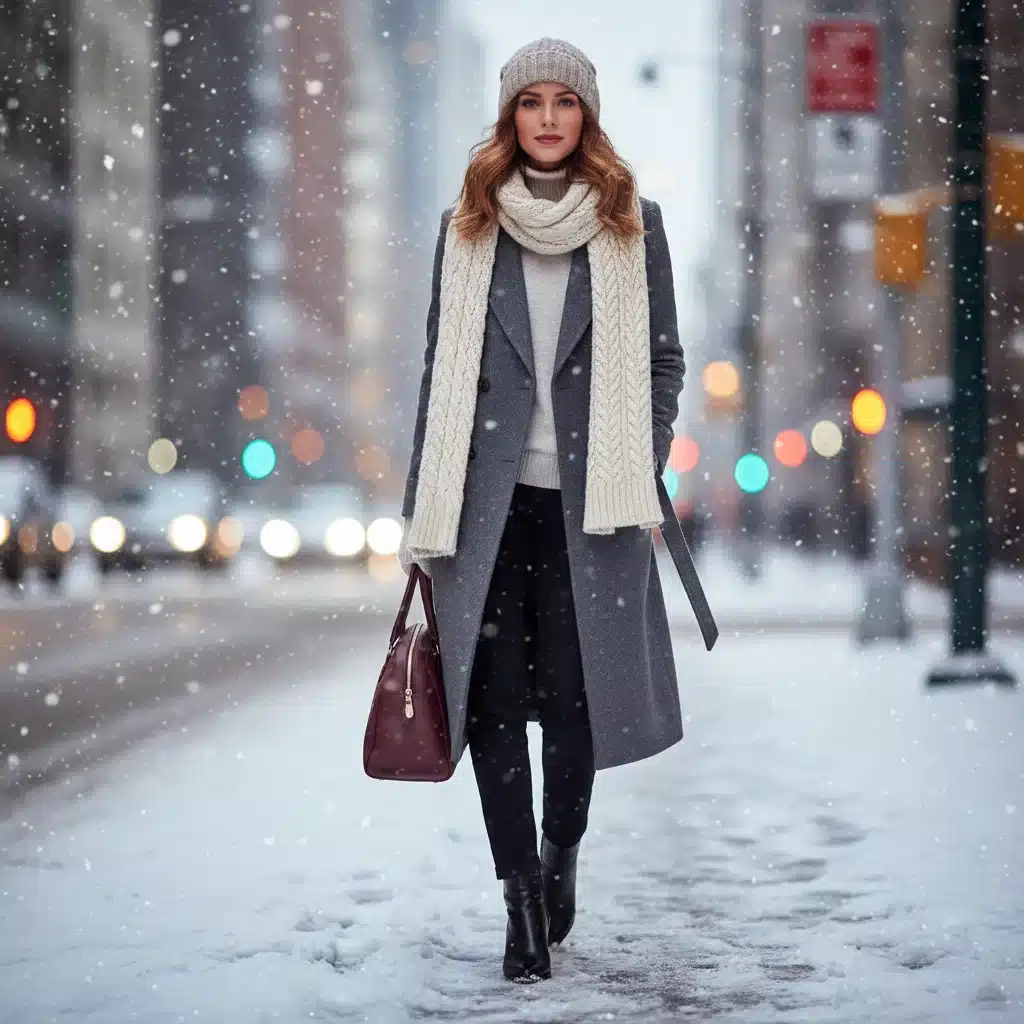
The outer layer plays a significant role in defining your overall silhouette. A belted wool coat can cinch the waist, creating an hourglass figure even with multiple layers underneath. An oversized puffer can offer a chic, relaxed vibe. When trying on outerwear, ensure there’s enough room to comfortably wear your base and insulating layers without feeling restricted. You should be able to move your arms freely and sit down without the coat pulling or feeling tight. This attention to fit is a hallmark of mastering winter layering techniques.
Waterproofing and Windproofing
Beyond warmth, protection from wind and moisture is crucial. Look for coats with “waterproof,” “water-resistant,” or “windproof” ratings. Technologies like Gore-Tex or similar membranes are excellent for keeping you dry and protected from biting winds. Even a stylish wool coat can benefit from a tightly woven fabric that naturally resists wind and light precipitation. Prioritizing these features ensures your outer layer performs its protective duty effectively.
Your outer layer is your statement piece, the finishing touch that ties your entire ensemble together. By choosing wisely, you not only ensure maximum protection but also elevate your winter style, showcasing your mastery of winter layering techniques.
Technique 4: The Accessories – The Finishing Touches and Extra Warmth
Accessories are often underestimated in their ability to provide both extra warmth and significant style points. They are the essential finishing touches that complete your layered look and are vital for mastering winter layering techniques.
Scarves: Versatility and Warmth
A well-chosen scarf can do wonders for an outfit. It adds a pop of color, texture, and pattern, instantly elevating a simple coat. More importantly, it insulates your neck and chest, areas prone to heat loss. Opt for chunky knit scarves for maximum warmth and a cozy aesthetic, or a fine cashmere or silk blend for elegance. Experiment with different tying techniques – a simple drape, a Parisian knot, or a voluminous wrap – to change the look of your outfit. A scarf is a truly versatile accessory for winter layering techniques.
Hats: Head Protection and Style
Your head is a major source of heat loss, so a good hat is non-negotiable in cold weather. Beanie hats, made from wool or cashmere, are practical and can be stylish. For a more sophisticated look, consider a fedora or a wide-brimmed felt hat. Ensure your hat covers your ears for optimal warmth. Like scarves, hats offer an opportunity to add personality and color to your winter ensemble.
Gloves/Mittens: Hand Warmth and Dexterity
Keeping your hands warm is crucial for comfort. Leather gloves lined with cashmere or wool offer a sophisticated look and excellent warmth. For extreme cold, mittens are often warmer than gloves because they allow your fingers to share body heat. “Tech” gloves with touchscreen compatibility are a practical choice for modern living. Don’t underestimate the importance of warm hands – cold extremities can make your entire body feel colder.
Socks and Footwear: Ground-Up Insulation
Your feet are just as important as your head when it comes to staying warm. Invest in high-quality wool or thermal socks. Avoid cotton socks in cold weather, as they retain moisture and can make your feet colder. For footwear, waterproof and insulated boots are essential. Look for boots with good traction for icy conditions and enough room to accommodate thicker socks without being too tight. A well-insulated pair of boots can make a significant difference in your overall warmth and comfort, completing your winter layering techniques from the ground up.
Belts: Defining Your Silhouette
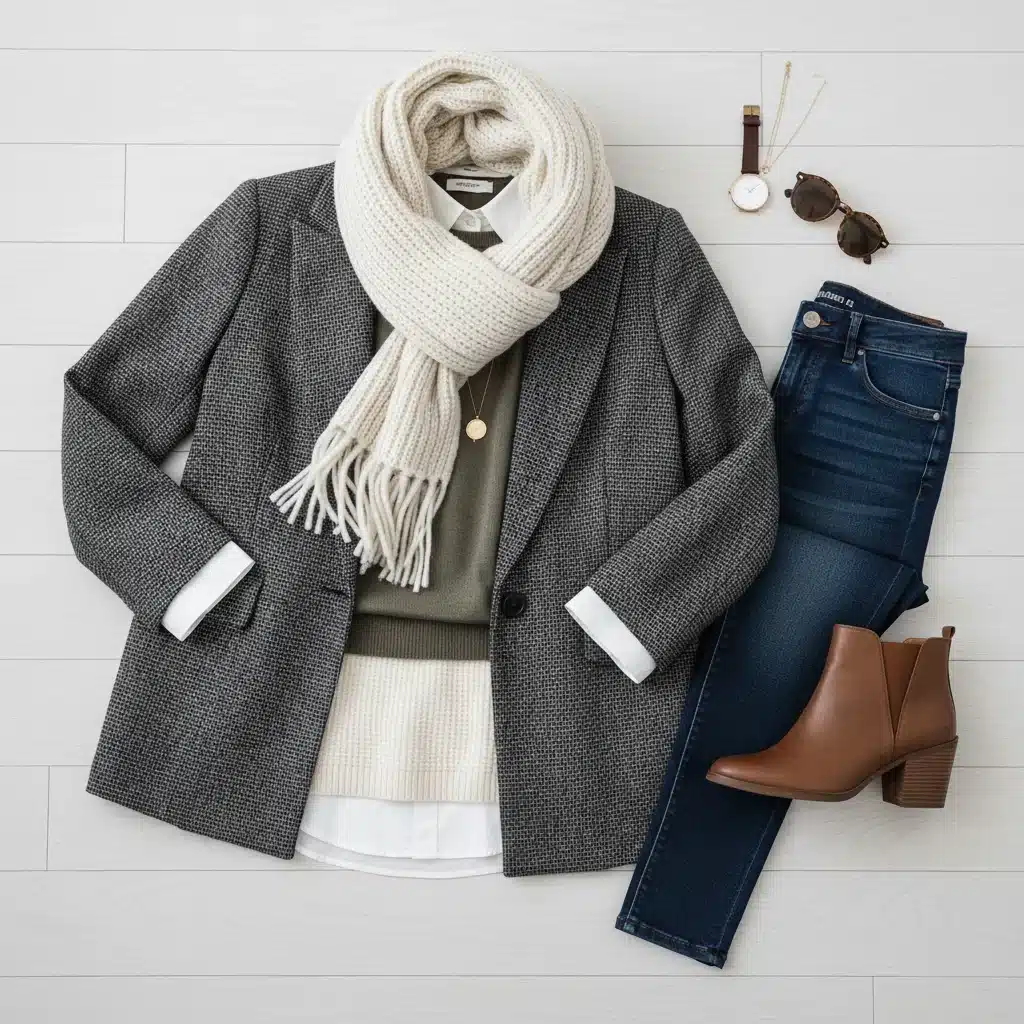
While not a direct source of warmth, a belt can be a powerful accessory for defining your silhouette when layering. If your layers feel a bit shapeless, cinching your waist with a stylish belt over a cardigan, sweater, or even a lightweight coat can instantly create a more polished and flattering look. This allows you to embrace voluminous layers without losing your figure, a subtle but important aspect of advanced winter layering techniques.
Accessories are the unsung heroes of winter fashion. They provide crucial warmth in vulnerable areas while simultaneously offering endless opportunities to express your personal style. By thoughtfully integrating these elements, you truly master the art of winter layering techniques.
Beyond the Basics: Advanced Winter Layering Techniques for 2026
Once you’ve mastered the four essential winter layering techniques, you can begin to explore more advanced concepts that elevate your style and comfort even further. Winter 2026 fashion trends are leaning towards thoughtful combinations and unexpected textures, making these tips even more relevant.
Playing with Proportions and Silhouettes
Effective layering isn’t just about warmth; it’s about creating visually appealing proportions. Contrast fitted base layers with slightly looser mid-layers and then a structured or oversized outer layer. For example, a slim-fit turtleneck under a chunky knit sweater, paired with wide-leg trousers and a long, tailored coat, creates an interesting interplay of volumes. Don’t be afraid to experiment with differing lengths – a longer tunic-style sweater under a cropped jacket can add depth. This nuanced understanding of proportion is what truly sets apart basic layering from sophisticated winter layering techniques.
Texture and Color – The Visual Feast
One of the most exciting aspects of layering is the opportunity to combine different textures and colors. Imagine a silky base layer peeking out from under a soft cashmere sweater, topped with a structured wool blazer, and finished with a faux-fur collar. Each texture adds a tactile and visual dimension. Similarly, playing with a cohesive color palette – perhaps varying shades of a single color, or introducing one bold accent color – can make your layered outfit look incredibly polished and intentional. Think about how a rich jewel-toned scarf can brighten an otherwise neutral ensemble. These elements are crucial for making your winter layering techniques stylish.
The “Third Piece” Rule
Many stylists advocate for the “third piece” rule to elevate an outfit. After your top and bottom, add a third element – a blazer, a vest, a statement scarf, or even a stylish belt. In the context of winter layering techniques, this third piece is often an additional mid-layer or a key accessory that pulls the look together and adds an extra layer of warmth and sophistication. It’s the detail that transforms an ordinary outfit into a well-considered ensemble.
Ventilation and Temperature Regulation
While we focus on warmth, the ability to regulate your temperature is equally important. This is where strategic layering shines. If you’re going from a cold outdoor environment to a warm indoor one, the ability to shed a layer or two without completely undressing is invaluable. Zippers, buttons, and open cardigans are your friends here. This adaptability is a core benefit of mastering winter layering techniques, preventing you from overheating and then getting chilled.
Maintenance and Care for Your Layers
To ensure your cherished layers last through many winters, proper care is essential. Different fabrics require different attention. Merino wool and cashmere often require hand washing or delicate cycles with specialized detergents. Outerwear may need professional cleaning or specific waterproof treatments. Always check garment labels for care instructions. Investing in quality pieces and then caring for them properly ensures they remain effective and beautiful season after season, making your investment in winter layering techniques worthwhile.
Conclusion: Embrace the Winter with Confidence and Style
Mastering winter layering techniques is not just about staying warm; it’s about embracing the colder months as an opportunity for sophisticated and creative self-expression. By understanding the purpose of each layer – from the moisture-wicking base to the insulating mid-layer, the protective outer layer, and the style-defining accessories – you gain the power to craft outfits that are both supremely comfortable and undeniably chic. Winter 2026 is your chance to showcase your newfound expertise in winter layering techniques.
Remember that successful layering is a balance of function and aesthetics. Prioritize natural, breathable fabrics for your inner layers, choose insulating pieces that add warmth without excessive bulk, select outerwear that offers both protection and style, and don’t forget the transformative power of accessories. Experiment with textures, colors, and proportions to develop your unique layered look. With these four essential winter layering techniques in your fashion arsenal, you’ll be ready to face any cold snap with confidence, elegance, and a truly impeccable sense of style. So go ahead, layer up, and make this winter your most fashionable one yet!