
Men’s Sustainable Fashion 2026: Navigating Quality and Cost for the Eco-Conscious Gentleman
In an era where environmental consciousness is no longer a niche concern but a global imperative, the fashion industry faces increasing scrutiny. For the discerning man, the desire to look good is now often coupled with a commitment to doing good. This has given rise to the burgeoning sector of men’s sustainable fashion, a movement that prioritizes ethical production, environmental responsibility, and timeless design. As we look towards 2026, the landscape of sustainable menswear continues to evolve, offering a wider array of choices that challenge the traditional fast-fashion model. But how does one navigate this complex market, balancing the desire for high-quality, durable garments with the often-perceived higher cost of ethical production? This comprehensive guide delves into the core of men’s sustainable fashion, comparing leading brands, dissecting the quality-versus-cost dilemma, and empowering eco-conscious gentlemen to build a wardrobe that reflects their values without compromising on style or longevity.
Anuncios
The journey into sustainable fashion is more than just choosing organic cotton; it’s about understanding the entire lifecycle of a garment, from raw material sourcing to manufacturing processes, labor conditions, and end-of-life considerations. For men, this means investing in pieces that are not only stylish and comfortable but also built to last, reducing the need for constant replacement and minimizing environmental impact. The year 2026 promises to be a pivotal moment, with innovations in materials, supply chain transparency, and consumer awareness reaching new heights. Our focus here is to provide a clear, actionable analysis for the modern man who seeks to make responsible choices in his personal style.
Understanding the Pillars of Men’s Sustainable Fashion
Before diving into specific brands and their offerings, it’s crucial to define what truly constitutes men’s sustainable fashion. It’s a multifaceted concept, encompassing various ethical and environmental considerations. Here are the key pillars:
Anuncios
- Ethical Production: This involves fair labor practices, safe working conditions, living wages, and no child labor across the entire supply chain. It’s about respecting the people who make our clothes.
- Environmental Responsibility: This covers the use of eco-friendly materials (organic, recycled, upcycled, biodegradable), reduced water and energy consumption, minimized waste, and avoidance of harmful chemicals and dyes.
- Durability and Longevity: Sustainable garments are designed to last, promoting a ‘buy less, choose well’ philosophy. High-quality construction and timeless design reduce the frequency of purchases.
- Transparency: Brands committed to sustainability are open about their supply chains, manufacturing processes, and environmental impact. This allows consumers to make informed decisions.
- Circular Economy Principles: Moving beyond a linear ‘take-make-dispose’ model, sustainable fashion often incorporates design for disassembly, repairability, and end-of-life recycling or composting.
These pillars form the bedrock upon which truly sustainable brands are built. For the eco-conscious gentleman, understanding these principles is the first step towards curating a wardrobe that aligns with his values. The pursuit of men’s sustainable fashion is a journey of continuous learning and conscious choices.
The Quality-Versus-Cost Conundrum in Sustainable Menswear
One of the most common hesitations people have when considering sustainable fashion is the perceived higher price point. It’s true that sustainable garments often come with a higher initial cost than their fast-fashion counterparts. However, this is where the ‘quality versus cost’ analysis becomes paramount. When discussing men’s sustainable fashion, it’s essential to look beyond the sticker price and consider the true value.
Why Sustainable Fashion Can Cost More Upfront:
- Premium Materials: Organic cotton, ethically sourced wool, recycled synthetics, and innovative bio-based fabrics often have higher production costs due to sustainable farming practices, certifications, or complex recycling processes.
- Fair Labor Wages: Paying workers a living wage and ensuring safe conditions increases manufacturing costs compared to exploitative labor practices common in fast fashion.
- Smaller Production Runs: Many sustainable brands operate on a smaller scale, producing fewer items to minimize waste, which can lead to higher per-unit costs compared to mass production.
- Research and Development: Investing in eco-friendly innovations, sustainable technologies, and circular design requires significant R&D, which is reflected in pricing.
- Certifications and Transparency: Obtaining and maintaining certifications (e.g., GOTS, Fair Trade, B Corp) and implementing transparent supply chains add administrative and operational costs.
The Long-Term Value Proposition:
While the initial outlay might be higher, the long-term value of men’s sustainable fashion often outweighs the cost. Sustainable garments are typically made with superior materials and craftsmanship, meaning they last longer. This reduces the need for frequent replacements, saving money in the long run. Furthermore, investing in timeless pieces rather than trend-driven items ensures that your wardrobe remains relevant for years, maximizing cost-per-wear. Consider a high-quality organic cotton t-shirt that lasts for five years versus five cheap conventional t-shirts purchased over the same period. The sustainable option often proves more economical and certainly more environmentally friendly.
Key Sustainable Materials in Men’s Fashion
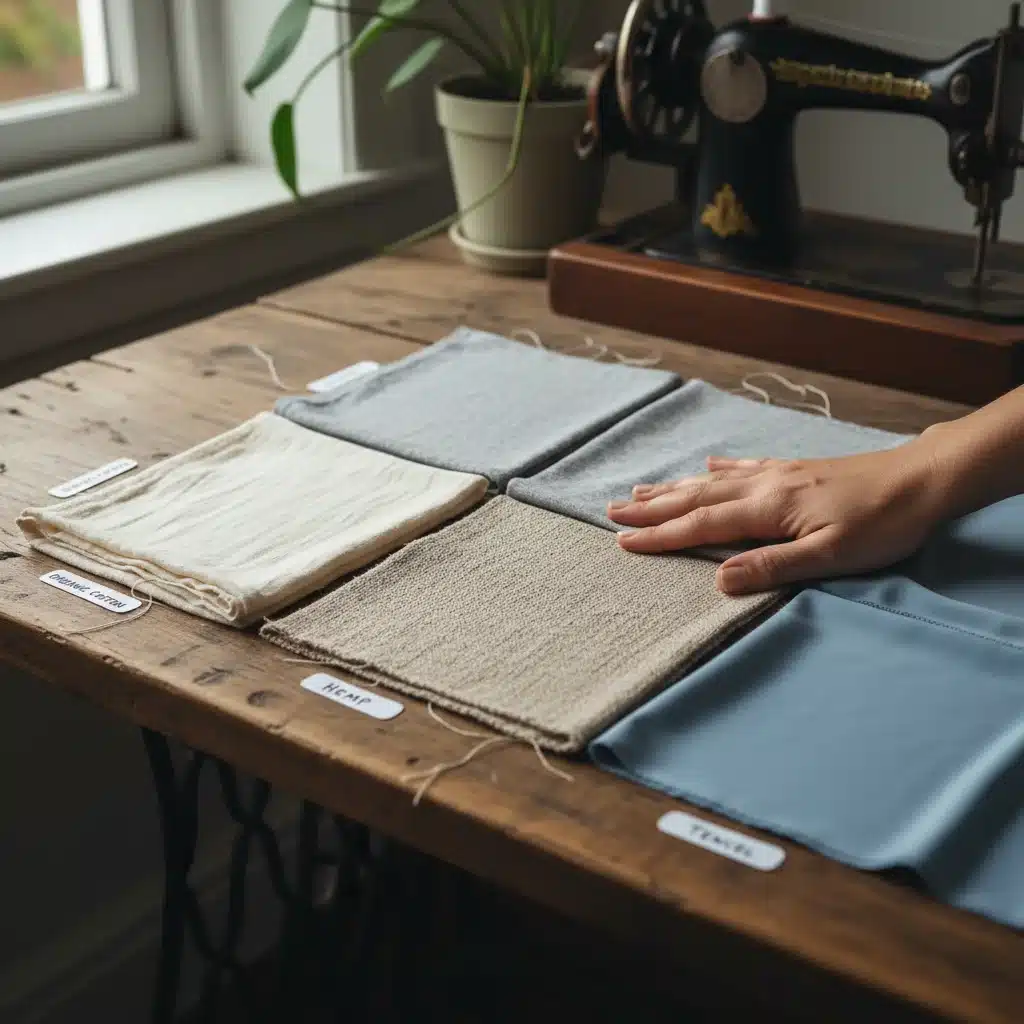
The choice of material is fundamental to men’s sustainable fashion. Understanding different eco-friendly fabrics helps in assessing both quality and environmental impact. Here are some prominent sustainable materials:
- Organic Cotton: Grown without synthetic pesticides, fertilizers, or GMOs, organic cotton significantly reduces environmental pollution and water usage compared to conventional cotton. It’s soft, breathable, and durable.
- Hemp: A highly sustainable crop, hemp requires minimal water and no pesticides, replenishes soil nutrients, and grows quickly. Its fibers are incredibly strong, making it ideal for durable clothing that softens with wear.
- Linen: Made from the flax plant, linen is another low-impact fiber. It’s durable, breathable, and naturally thermoregulating, perfect for various climates.
- Recycled Polyester (rPET): Made from recycled plastic bottles or textile waste, rPET diverts waste from landfills and reduces the demand for virgin petroleum. It’s durable and versatile, often used in activewear and outerwear.
- Tencel™ Lyocell/Modal: These fibers are derived from sustainably sourced wood pulp through a closed-loop process that recycles water and solvents. They are known for their exceptional softness, breathability, and drape.
- Pinatex: An innovative leather alternative made from pineapple leaf fibers, Pinatex offers a cruelty-free and sustainable option for accessories and footwear.
- Ethically Sourced Wool (e.g., Merino, Cashmere): When sourced from farms that prioritize animal welfare and responsible land management, wool can be a sustainable and highly functional material, known for its warmth, breathability, and natural odor resistance. Look for certifications like RWS (Responsible Wool Standard).
When evaluating men’s sustainable fashion brands, pay attention to the materials they use and whether they provide certifications or details about their sourcing. This is a direct indicator of their commitment to environmental responsibility and quality.
Top Men’s Sustainable Fashion Brands: 2026 Analysis of Quality vs. Cost
Here, we delve into a selection of leading men’s sustainable fashion brands, analyzing their strengths in terms of quality, design, and sustainability practices, alongside a practical look at their price points. This comparison aims to help the eco-conscious gentleman make informed purchasing decisions for 2026 and beyond.
1. Patagonia: The Outdoor Pioneer
- Sustainability Focus: A true pioneer in sustainability, Patagonia is renowned for its commitment to environmental activism, fair labor, and durable products. They use recycled materials extensively, organic cotton, and have a robust repair program (Worn Wear). They are a certified B Corp.
- Quality: Exceptional. Patagonia’s garments are built to withstand extreme conditions, known for their longevity and performance. Their activewear, fleeces, and outerwear are industry benchmarks.
- Cost: High. Patagonia is an investment, but one that pays off in durability and ethical assurance. A fleece jacket might cost $100-$150, while a technical shell could be $300+.
- Best For: Active men, outdoor enthusiasts, those seeking highly durable and functional casual wear.
- Verdict: High quality justifies the higher cost for long-term wear and environmental impact. A cornerstone of men’s sustainable fashion.
2. Everlane: Modern Basics with Radical Transparency
- Sustainability Focus: Everlane champions ‘radical transparency,’ detailing the true cost of their products, from materials to labor. They are increasing their use of recycled materials, organic cotton, and aim for 100% certified organic cotton by 2023 (a goal they are actively pursuing). They focus on timeless designs to reduce consumption.
- Quality: Good to very good. Everlane offers well-made basics that are designed for everyday wear. Their knitwear, denim, and t-shirts are generally reliable.
- Cost: Mid-range. Everlane strikes a balance between quality and affordability, making sustainable fashion more accessible. T-shirts are around $25-$40, jeans $70-$90, and sweaters $80-$150.
- Best For: Men seeking stylish, high-quality everyday essentials with clear ethical sourcing.
- Verdict: Excellent value for money, offering accessible entry into men’s sustainable fashion without compromising on transparency.
3. Outerknown: Surfer-Inspired Sustainable Style
- Sustainability Focus: Founded by pro surfer Kelly Slater, Outerknown is deeply committed to sustainability. They use organic cotton, hemp, recycled fishing nets (ECONYL®), and responsibly sourced wool. They are Fair Labor Association (FLA) accredited and focus on circularity.
- Quality: High. Outerknown’s pieces are well-constructed, comfortable, and designed for longevity, blending casual style with rugged durability.
- Cost: High-mid to High. Similar to Patagonia in some categories, but with a more lifestyle-focused aesthetic. T-shirts are $45-$75, jeans $120-$180, and jackets $200-$400.
- Best For: Men who appreciate a relaxed, coastal aesthetic, quality craftsmanship, and strong environmental credentials.
- Verdict: A premium choice for men’s sustainable fashion, offering distinctive style and robust sustainability practices.
4. Nudie Jeans: Denim with a Conscience
- Sustainability Focus: Nudie Jeans is a leader in sustainable denim, exclusively using 100% organic cotton. They offer free repairs for life, encouraging longevity and reducing waste. They are transparent about their supply chain and environmental impact.
- Quality: Excellent. Their denim is known for its durability, fit, and ability to age beautifully. The ‘free repairs for life’ policy speaks volumes about their confidence in product quality.
- Cost: High-mid. A pair of Nudie Jeans typically ranges from $150-$220. This is a significant investment for denim but justified by the organic materials, ethical production, and lifetime repair service.
- Best For: Denim aficionados looking for high-quality, ethically produced, and long-lasting jeans.
- Verdict: A standout in men’s sustainable fashion for its specialized focus and circular economy model. The cost is offset by durability and repair service.
5. ASKET: The Pursuit of Less
- Sustainability Focus: ASKET is built on the philosophy of ‘the pursuit of less,’ offering a permanent collection of essential garments designed for longevity. They provide full traceability for every garment, detailing its environmental impact and cost. They use high-quality, often organic or recycled, materials.
- Quality: Very High. Their focus on essential, timeless pieces means meticulous attention to detail, fabric quality, and construction. They are designed to be wardrobe staples for years.
- Cost: High-mid to High. T-shirts are $50-$70, shirts $120-$180, and knitwear $150-$250. The price reflects the premium materials, ethical production, and exceptional craftsmanship.
- Best For: Minimalists, men seeking a curated wardrobe of high-quality, timeless basics, and those who value extreme transparency.
- Verdict: An excellent choice for building a foundational men’s sustainable fashion wardrobe, where quality and transparency are paramount.
6. Veja: Ethical Footwear
- Sustainability Focus: While not a clothing brand, Veja is a crucial player in men’s sustainable fashion, specifically footwear. They use organic cotton, wild rubber from the Amazon, recycled plastic bottles, and innovative vegan leathers. They prioritize fair trade and economic justice in their supply chain.
- Quality: High. Veja sneakers are known for their comfort, durability, and distinctive minimalist style.
- Cost: Mid-range to High. Sneakers typically range from $120-$200. This is comparable to many premium sneaker brands but with significantly higher ethical and environmental credentials.
- Best For: Men seeking stylish, comfortable, and ethically produced sustainable sneakers.
- Verdict: A leader in sustainable footwear, offering a compelling blend of style, quality, and strong ethical values.
Making the Smart Choice: Quality, Cost, and Your Values
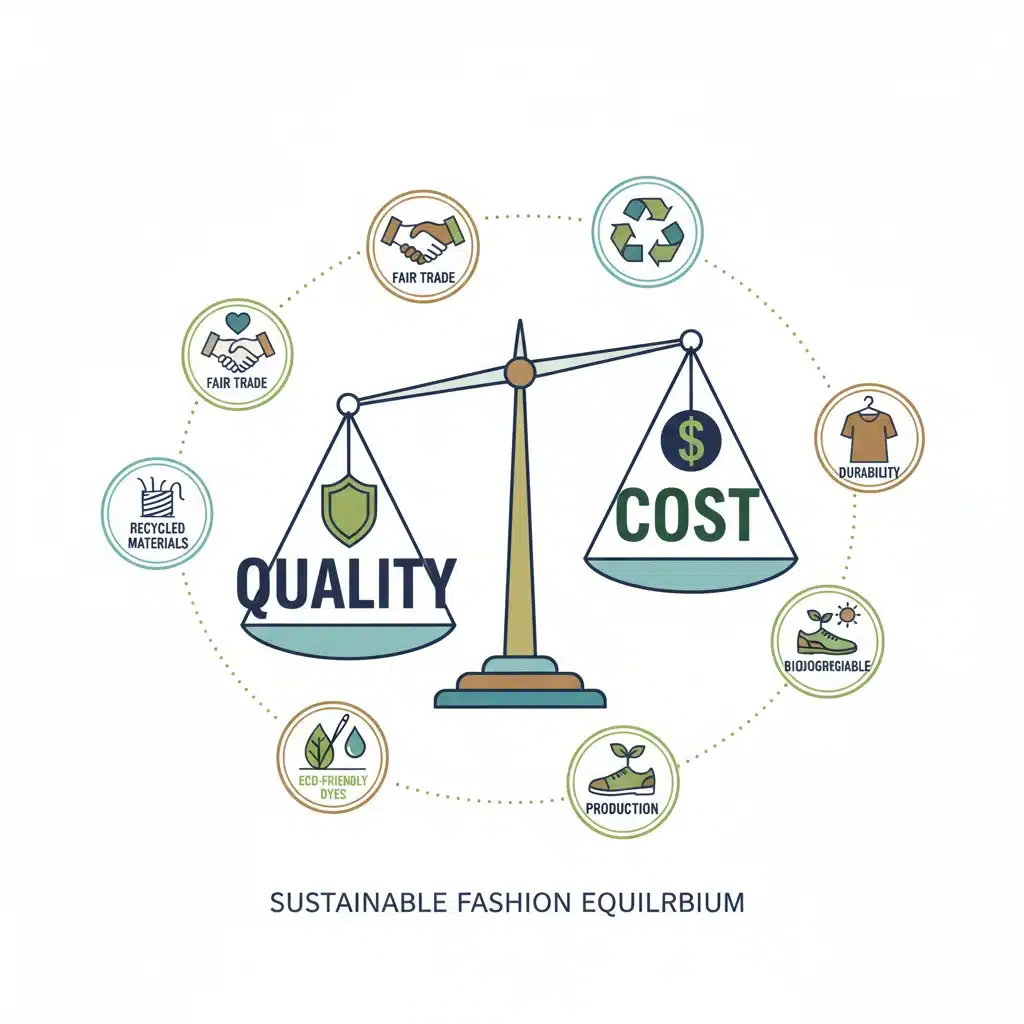
For the eco-conscious gentleman, the decision-making process for men’s sustainable fashion involves more than just aesthetics. It’s a holistic evaluation of a brand’s commitment to ethical practices, the environmental impact of its products, and the long-term value offered through quality and durability. While the initial cost of sustainable garments might be higher, it’s crucial to adopt a ‘cost-per-wear’ mindset.
Tips for Navigating the Sustainable Menswear Market in 2026:
- Prioritize Durability: Look for strong seams, quality stitching, and robust fabrics. A garment that lasts longer is inherently more sustainable, regardless of its initial material composition.
- Understand Certifications: Familiarize yourself with key certifications like GOTS (Global Organic Textile Standard), Fair Trade Certified, B Corp, and RWS (Responsible Wool Standard). These provide independent verification of a brand’s claims.
- Read Brand Transparency Reports: Many leading sustainable brands publish detailed reports on their supply chains, environmental footprint, and social initiatives. This is invaluable information.
- Invest in Timeless Pieces: Build a versatile wardrobe of classic, well-fitting items that won’t go out of style. This reduces the urge to constantly buy new, trendy pieces.
- Consider Secondhand: Don’t overlook the power of thrifting, vintage stores, and online resale platforms. Buying secondhand is one of the most sustainable ways to acquire clothing.
- Care for Your Clothes: Proper garment care (washing less, cold water, air drying, repairing) significantly extends the life of your clothes, making your sustainable investments last even longer.
- Balance Cost with Values: While some brands are undeniably premium, others like Everlane offer a more accessible entry point. Identify your priorities – is it 100% organic, fair trade, or recycled content? – and find brands that align with your budget and values.
The Future of Men’s Sustainable Fashion in 2026 and Beyond
The landscape of men’s sustainable fashion is rapidly evolving. Innovations in material science are constantly introducing new eco-friendly fabrics, from mushroom leather to algae-based dyes. The push for circularity, where garments are designed to be recycled or composted at the end of their life, is gaining momentum. Consumers are becoming more educated and demanding, forcing brands to be more accountable.
For the eco-conscious gentleman, 2026 represents a fantastic opportunity to refine his wardrobe with purpose. The market offers a rich tapestry of brands committed to both style and sustainability, making it easier than ever to make choices that benefit both personal aesthetic and planetary health. The challenge lies in discerning true sustainability from greenwashing, which is why thorough research and an understanding of the quality-versus-cost equation are so vital.
Ultimately, embracing men’s sustainable fashion is a powerful statement. It’s a rejection of disposable culture and an embrace of thoughtful consumption. It’s about recognizing that every purchase has an impact, and choosing to make that impact a positive one. By investing in high-quality, ethically produced garments, men can build a stylish, durable, and responsible wardrobe that truly reflects their values for years to come.
Conclusion: Dressing with Purpose and Style
The journey into men’s sustainable fashion is a rewarding one. It challenges us to think differently about what we wear, where it comes from, and its true cost. In 2026, the options for eco-conscious gentlemen are more diverse and sophisticated than ever before. From rugged outdoor gear to refined everyday essentials and ethical footwear, there’s a sustainable solution for every style and need.
By carefully considering factors like material sourcing, labor practices, brand transparency, and the long-term value of durability, you can make choices that align with your environmental and ethical convictions. Remember, quality often comes with a higher initial price, but it’s an investment in longevity, reduced environmental impact, and supporting a better fashion industry. Embrace the philosophy of ‘buy less, choose well, make it last,’ and you’ll not only elevate your personal style but also contribute positively to a more sustainable future for all.