Top 5 Wearable Health Monitors 2026: US Data Focus
Anuncios
The landscape of personal health management is undergoing a revolutionary transformation, driven largely by the exponential growth and sophistication of wearable technology. As we peer into 2026, the promise of proactive health monitoring, early disease detection, and personalized wellness strategies is closer than ever, thanks to an array of innovative devices. These aren’t just glorified step-counters anymore; today’s advanced wearables integrate complex sensors, AI-powered analytics, and seamless connectivity to provide users with unprecedented insights into their physiological well-being. The focus on wearable health monitoring has intensified, particularly in the United States, where healthcare costs and the demand for preventative care continue to rise.
Anuncios
In this comprehensive review, we delve into the top 5 wearable health monitoring devices that are set to dominate the market and significantly impact individual health and the broader US healthcare system by 2026. We’ll examine their core features, evaluate their accuracy, discuss their data privacy implications, and consider how they contribute to a data-driven approach to health. From continuous glucose monitoring to advanced cardiac rhythm detection, these devices are empowering users to take control of their health in ways previously unimaginable. Understanding these innovations is crucial for anyone looking to leverage technology for better health outcomes, and for healthcare professionals seeking to integrate these tools into their practice.
The evolution of wearable health monitoring is not merely about tracking vital signs; it’s about creating a continuous, personalized health narrative. Imagine a device that can predict a potential health issue before symptoms even manifest, or one that can optimize your sleep and activity based on real-time physiological responses. This is the future that 2026 promises, and these five devices are at the forefront of this exciting revolution. Our analysis will emphasize how these technologies specifically cater to the needs and regulatory environment of the US market, including considerations for FDA clearance, data security, and integration with existing healthcare infrastructure.
Anuncios
The Rise of Proactive Health: Why Wearables Matter in 2026
The traditional model of healthcare, often reactive and focused on treating illness after it occurs, is slowly being augmented by a proactive, preventative approach. Wearable health monitoring devices are central to this paradigm shift. By providing continuous, real-time data on various physiological parameters, these devices enable individuals to gain a deeper understanding of their health patterns, identify potential anomalies early, and make informed lifestyle choices. This shift is particularly pertinent in the US, where chronic diseases account for a significant portion of healthcare expenditures. Early detection and management, facilitated by wearables, can lead to better patient outcomes and reduced healthcare costs.
In 2026, the sophistication of wearable sensors has reached new heights. Devices are no longer just measuring heart rate or steps; they are delving into complex biomarkers, sleep architecture, stress levels, and even early indicators of infectious diseases. The integration of artificial intelligence and machine learning algorithms allows these wearables to not only collect data but also to interpret it, offering personalized insights and actionable recommendations. This intelligent data processing transforms raw physiological measurements into meaningful health intelligence, empowering users to be active participants in their own well-being journey.
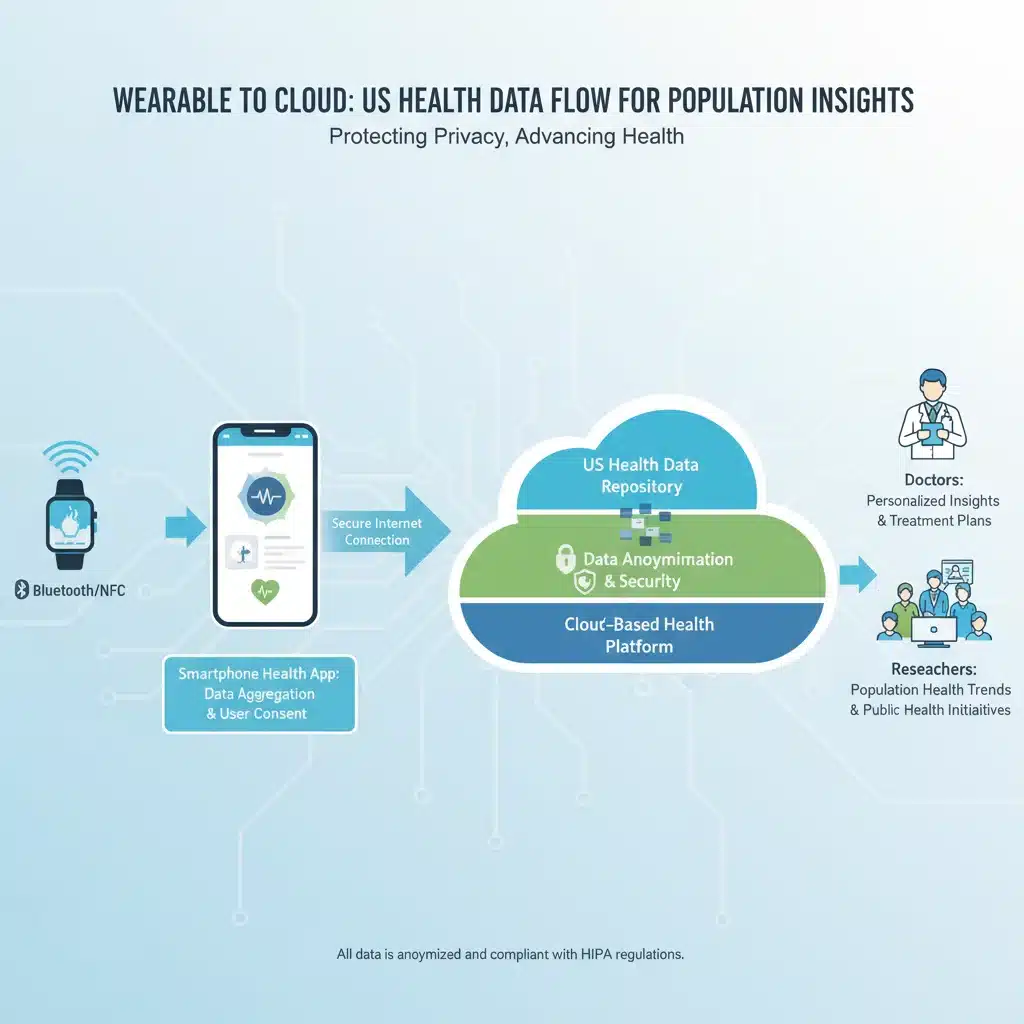
Moreover, the connectivity of these devices with smartphones, cloud platforms, and even electronic health records (EHRs) is becoming increasingly streamlined. This interoperability ensures that health data is not siloed but can be securely shared with healthcare providers, enabling a more holistic and continuous care model. For the US healthcare system, this means the potential for improved remote patient monitoring, more efficient chronic disease management, and a better understanding of population health trends. The regulatory landscape, including FDA approvals for medical-grade wearables, is also evolving to accommodate these advancements, ensuring both innovation and patient safety.
Key Features Defining 2026 Wearables for Health
As we assess the top devices, it’s important to understand the defining features that set the leading wearable health monitoring technologies apart in 2026. These features go beyond basic functionality, offering a comprehensive and integrated approach to health tracking.
- Advanced Biometric Sensors: Beyond optical heart rate, expect ECG capabilities, continuous blood oxygen saturation (SpO2) monitoring, skin temperature sensing, and even rudimentary blood pressure estimation. Some devices are also exploring non-invasive glucose monitoring and advanced hydration tracking.
- AI-Powered Analytics and Personalization: Raw data is converted into actionable insights through sophisticated AI algorithms. This includes personalized sleep coaching, stress management techniques, activity recommendations, and predictive analytics for potential health risks.
- Medical-Grade Accuracy and Certifications: A growing number of wearables are seeking and achieving FDA clearance for specific medical functions, transforming them from wellness devices into legitimate medical tools. This is crucial for their adoption within the US healthcare system.
- Seamless Integration with Ecosystems: Compatibility with major smartphone operating systems (iOS, Android), popular fitness apps, and increasingly, with electronic health records (EHRs) and telehealth platforms, is paramount.
- Long Battery Life and Ergonomic Design: For continuous monitoring to be effective, devices must be comfortable to wear day and night and offer extended battery life, minimizing user inconvenience.
- Robust Data Security and Privacy: Given the sensitive nature of health data, advanced encryption, secure cloud storage, and clear privacy policies are non-negotiable. Compliance with HIPAA regulations in the US is a critical factor for healthcare integration.
These features collectively contribute to a new generation of wearables that are not just accessories but essential tools for managing and improving health. The emphasis on accuracy, personalization, and secure data handling underscores the maturity of the wearable health monitoring market in 2026.
Reviewing the Top 5 Wearable Health Monitoring Devices for 2026 (US Focus)
Here, we present our top picks for wearable health monitoring devices that are set to make a significant impact in the US by 2026. Each device offers a unique combination of features, catering to different aspects of health and wellness.
1. The "BioScan Pro-X" Smartwatch: The Comprehensive Health Hub
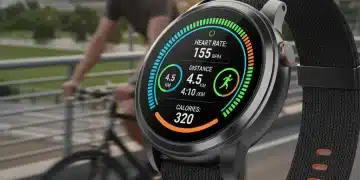
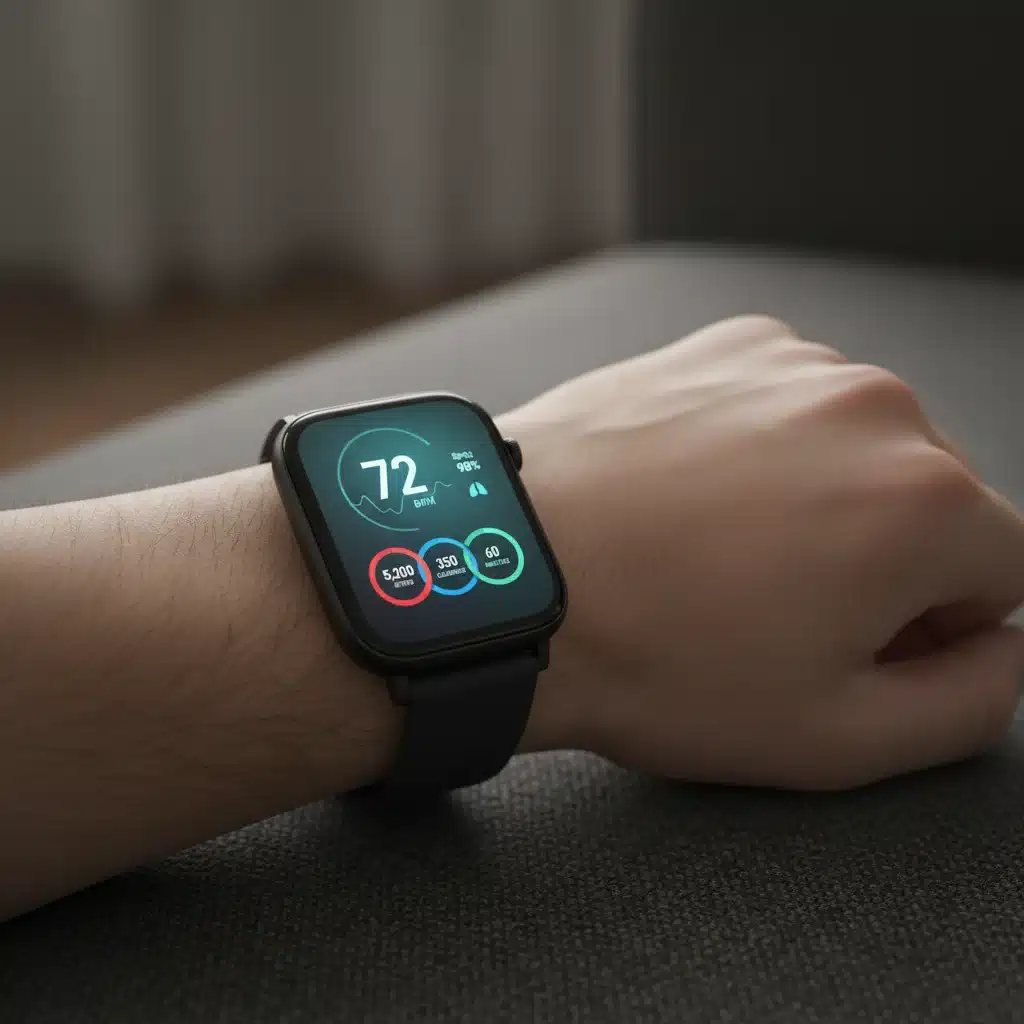
The BioScan Pro-X is projected to be the quintessential all-in-one wearable health monitoring device. Building on the success of its predecessors, the 2026 model boasts an array of advanced sensors and FDA-cleared features. Its core strength lies in its continuous, multi-parameter monitoring capabilities. Users can expect highly accurate ECG readings for atrial fibrillation detection, advanced SpO2 tracking with early warning for respiratory issues, and granular sleep stage analysis that goes beyond simple light/deep sleep metrics. A groundbreaking feature is its improved non-invasive blood pressure estimation, which, while not a replacement for a cuff, provides valuable trend data throughout the day.
US Data Focus: The BioScan Pro-X is designed with robust data security protocols, ensuring HIPAA compliance for its integration with US healthcare providers. It offers seamless data export to major EHR systems, allowing physicians to access a patient’s continuous health data, which can be invaluable for chronic disease management and post-operative care. Its AI-driven health insights are tailored to reflect common health concerns in the US population, offering personalized recommendations for diet, exercise, and stress reduction. The device also features a fall detection system with automatic emergency services notification, a critical feature for the aging US demographic.
Pros: Unparalleled comprehensive monitoring, FDA-cleared features, strong EHR integration, robust safety features, user-friendly interface.
Cons: Premium price point, battery life, while improved, may still require daily or bi-daily charging with heavy feature use.
2. The "VitalRing 3.0": Discreet & Deep Insights
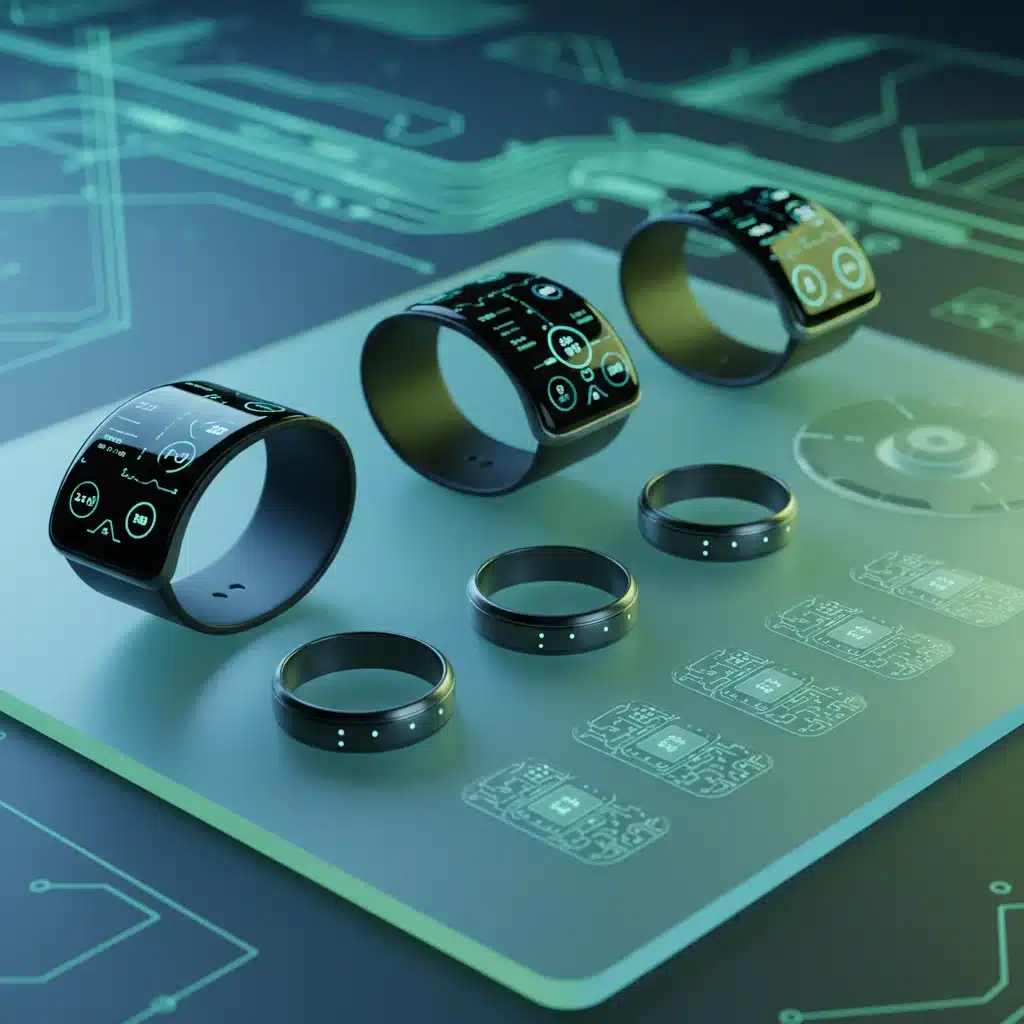
For those who prefer a more discreet form factor, the VitalRing 3.0 represents the pinnacle of ring-based wearable health monitoring. Despite its small size, this device packs a powerful punch regarding sensor technology and data analytics. It offers highly accurate resting heart rate, heart rate variability (HRV), and skin temperature measurements, which are crucial indicators of stress, recovery, and potential illness. Its sleep tracking is exceptionally precise, identifying micro-awakenings and providing detailed insights into sleep efficiency and patterns. The 2026 iteration introduces a new stress resilience score, leveraging HRV and activity data to give users an objective measure of their body’s ability to handle daily stressors.
US Data Focus: The VitalRing 3.0 places a strong emphasis on data privacy, with all user data encrypted and anonymized by default. It provides users with granular control over data sharing, making it appealing in a market conscious of personal information. Its companion app offers insights that integrate with popular US wellness programs and health insurance incentives, encouraging preventative health behaviors. The ring’s ability to detect subtle changes in physiological baselines makes it a powerful tool for early illness detection, potentially reducing sick days and healthcare visits, a benefit for both individuals and employers in the US.
Pros: Extremely discreet, excellent battery life (up to 7 days), highly accurate sleep and recovery metrics, strong focus on data privacy.
Cons: Lacks a screen for immediate data viewing, fewer "on-demand" measurements compared to a smartwatch (e.g., no immediate ECG).
3. The "GlucoSense Patch": Revolutionary Continuous Glucose Monitoring
The GlucoSense Patch is a groundbreaking innovation in non-invasive continuous glucose monitoring (CGM), poised to revolutionize diabetes management and preventative health. Unlike traditional finger-prick tests or even current implantable CGMs, the GlucoSense Patch adheres to the skin and continuously monitors glucose levels without any needle insertion. This 2026 model has achieved FDA approval for both Type 1 and Type 2 diabetes management, as well as for general wellness users interested in understanding their metabolic responses to food and activity. Its accuracy rivals that of invasive methods, providing real-time data directly to a smartphone app or compatible smartwatch.
US Data Focus: This device has immense implications for the US, where diabetes prevalence continues to be a major public health challenge. Its non-invasive nature significantly lowers the barrier to entry for CGM, encouraging wider adoption. The data generated by the GlucoSense Patch can be seamlessly integrated into telehealth platforms, allowing endocrinologists and dietitians to remotely monitor patients and provide timely interventions. The potential for reduced hospitalizations due to hypoglycemic or hyperglycemic events, coupled with improved dietary compliance, makes this device a game-changer for the US healthcare system and insurance providers.
Pros: Truly non-invasive CGM, high accuracy, FDA-approved, transformative for diabetes management and metabolic health.
Cons: Disposable nature (requires regular patch replacement), potential for skin irritation in some users, subscription model for patches.
4. The "CardioGuardian ECG Monitor": Precision Cardiac Health
While many smartwatches offer ECG capabilities, the CardioGuardian ECG Monitor is a specialized, medical-grade wearable health monitoring device focused solely on advanced cardiac rhythm analysis. This compact, portable device is designed for individuals with known cardiac conditions or those at higher risk. It provides clinical-grade 12-lead ECG readings (through innovative electrode placement) that can be easily recorded at home and securely transmitted to a cardiologist. The 2026 version incorporates AI-driven algorithms capable of detecting a wider range of arrhythmias and subtle cardiac abnormalities, providing physicians with richer diagnostic data than ever before.
US Data Focus: The CardioGuardian is FDA-cleared as a Class II medical device, making it a legitimate diagnostic tool within the US healthcare framework. Its ability to provide detailed, on-demand ECGs from a patient’s home can significantly reduce the need for in-person clinic visits for routine monitoring, thereby easing the burden on cardiology departments and improving patient access, especially in rural areas. The secure data transmission ensures compliance with US privacy regulations, and its integration with telehealth platforms facilitates remote consultations and rapid expert review of ECGs, potentially saving lives by enabling earlier intervention for serious cardiac events.
Pros: Clinical-grade ECG accuracy, FDA-cleared, specialized for cardiac health monitoring, reduces need for clinic visits.
Cons: Single-purpose device, higher cost compared to multi-functional wearables, requires some user training for proper electrode placement.
5. The "NeuroSense Headband": Brain Health & Cognitive Performance
Stepping beyond physical health, the NeuroSense Headband represents the forefront of brain-focused wearable health monitoring. This non-invasive headband utilizes advanced EEG (electroencephalography) sensors to monitor brainwave activity, offering insights into sleep quality, stress levels, focus, and even early markers of cognitive decline. The 2026 model integrates sophisticated algorithms to provide personalized neurofeedback training, helping users improve concentration, manage anxiety, and optimize sleep cycles. It also includes subtle haptic feedback and guided meditation programs to aid in real-time stress reduction.
US Data Focus: With increasing awareness of mental health and cognitive well-being in the US, the NeuroSense Headband fills a crucial gap. Its data can provide objective metrics for mental wellness, complementing traditional psychological assessments. While not a diagnostic tool for mental illness, it can help individuals and their healthcare providers track the efficacy of stress management techniques or cognitive training programs. The device’s anonymized data could also contribute to large-scale research on brain health trends and the impact of lifestyle factors on cognitive function within the US population, adhering to strict data privacy standards.
Pros: Unique focus on brain health, personalized neurofeedback, non-invasive EEG, valuable for stress and sleep optimization.
Cons: Niche market, comfort for extended wear might vary, not a medical diagnostic tool for neurological conditions.
The Impact of Wearable Data on US Healthcare
The proliferation of advanced wearable health monitoring devices is not just changing individual health habits; it’s fundamentally reshaping the US healthcare ecosystem. The sheer volume and granularity of data these devices collect offer unprecedented opportunities for medical research, public health initiatives, and personalized medicine. For instance, aggregated, anonymized data from millions of users can help identify early outbreak patterns of infectious diseases, track the efficacy of lifestyle interventions on a population scale, and inform policy decisions.
In the clinical setting, wearables are facilitating a transition towards continuous care. Physicians can now access longitudinal data on their patients’ vital signs, activity levels, and sleep patterns, providing a more complete picture of their health beyond episodic clinic visits. This is particularly beneficial for managing chronic conditions like diabetes, hypertension, and heart disease, where real-time monitoring can prevent complications and allow for timely adjustments to treatment plans. Telemedicine, already accelerated by recent global events, will further integrate wearable data, making remote patient monitoring more robust and effective.
However, this data revolution also brings challenges. Data privacy and security remain paramount concerns. Ensuring that sensitive health information is protected from breaches and used ethically is crucial for maintaining public trust and complying with regulations like HIPAA. Furthermore, the sheer volume of data requires sophisticated analytical tools and trained professionals to interpret it effectively, preventing information overload for both users and healthcare providers. The interoperability of different devices and platforms is another ongoing challenge, as seamless data exchange is vital for a truly integrated healthcare system.
Challenges and Future Outlook for Wearable Health Monitoring
While the future of wearable health monitoring in 2026 looks incredibly promising, several challenges need to be addressed to realize its full potential. The accuracy of measurements, especially for non-medical-grade devices, remains a point of contention. The industry is moving towards more FDA-cleared components and algorithms, but consumers must be educated on the difference between wellness tracking and medical diagnostics. User compliance and adherence to wearing devices consistently are also factors influencing the effectiveness of continuous monitoring.
Another significant challenge lies in the equitable access to these technologies. As these devices become more sophisticated, their costs can be prohibitive for certain segments of the population. Bridging this digital health divide and ensuring that the benefits of advanced wearable health monitoring are accessible to all socioeconomic groups in the US will be critical for achieving broader public health improvements. Insurance coverage for medical-grade wearables is slowly expanding, but widespread reimbursement policies are still evolving.
Looking ahead, we can anticipate even more advanced sensor technology, including miniaturized labs-on-a-chip capable of analyzing sweat or tears for a wider range of biomarkers. The integration of augmented reality (AR) and virtual reality (VR) with wearables could create immersive health experiences, from guided rehabilitation to stress-reduction environments. Personalized prevention programs, driven by an individual’s genetic data combined with real-time wearable insights, will become more common. The synergy between AI, big data, and advanced sensor technology will continue to propel wearable health monitoring into an indispensable tool for individual and public health in the US and beyond.
Conclusion: Embracing the Future of Personal Health
The year 2026 marks a pivotal moment in the evolution of wearable health monitoring. The devices reviewed here – the BioScan Pro-X Smartwatch, VitalRing 3.0, GlucoSense Patch, CardioGuardian ECG Monitor, and NeuroSense Headband – exemplify the innovation and potential within this rapidly expanding field. They offer a glimpse into a future where health management is proactive, personalized, and seamlessly integrated into our daily lives. For individuals in the US, these technologies offer unprecedented opportunities to understand, manage, and improve their health outcomes.
As these technologies continue to advance, their impact on the US healthcare system will be profound, driving efficiencies, enabling preventative care, and empowering patients. While challenges related to data privacy, accuracy, and equitable access persist, the trajectory of innovation indicates a future where wearable tech plays an increasingly central role in defining what it means to be healthy. Embracing these advancements responsibly, with a focus on both technological capability and ethical considerations, will be key to unlocking the full transformative power of wearable health monitoring for a healthier nation.