Smart Home Accessibility: The Future of Inclusive Living for All
Anuncios
Smart Home Accessibility: The Future of Inclusive Living for All
In an era defined by rapid technological advancement, the concept of a ‘smart home’ has evolved from a futuristic fantasy into a tangible reality. Beyond mere convenience, smart home technology is now at the forefront of a profound social transformation: enhancing accessibility for individuals with diverse needs. With projections indicating that 1 in 4 Americans will be living with a disability by 2026, the imperative for inclusive living solutions has never been more urgent. This comprehensive guide delves into how smart home accessibility is not just a niche market but a fundamental shift towards creating environments where everyone can thrive independently.
Anuncios
The journey towards truly accessible homes is multifaceted, encompassing a wide array of technologies, design principles, and a deep understanding of human needs. From voice-activated controls that empower individuals with limited mobility to intelligent sensors that provide safety and peace of mind for those with cognitive impairments, smart home accessibility is paving the way for a more equitable and inclusive society. This article will explore the current landscape of smart home accessibility, its myriad benefits, the cutting-edge technologies driving its evolution, and the exciting prospects for the future.
Understanding Smart Home Accessibility: More Than Just Convenience
At its core, smart home accessibility refers to the integration of technology within a residential environment to make it more usable, safe, and comfortable for individuals with disabilities or age-related limitations. It’s about creating environments that adapt to the user, rather than forcing the user to adapt to the environment. This goes far beyond the simple automation of tasks; it’s about fostering independence, enhancing quality of life, and reducing the need for constant assistance.
Anuncios
For many, the term ‘smart home’ conjures images of automated lighting or smart thermostats. While these are certainly components, smart home accessibility takes these concepts much further. It involves systems that can be controlled through various interfaces – voice commands, touchscreens, gestures, or even eye-tracking – catering to a wide spectrum of physical and cognitive abilities. The goal is to remove barriers, both physical and digital, that traditionally make homes challenging for certain individuals.
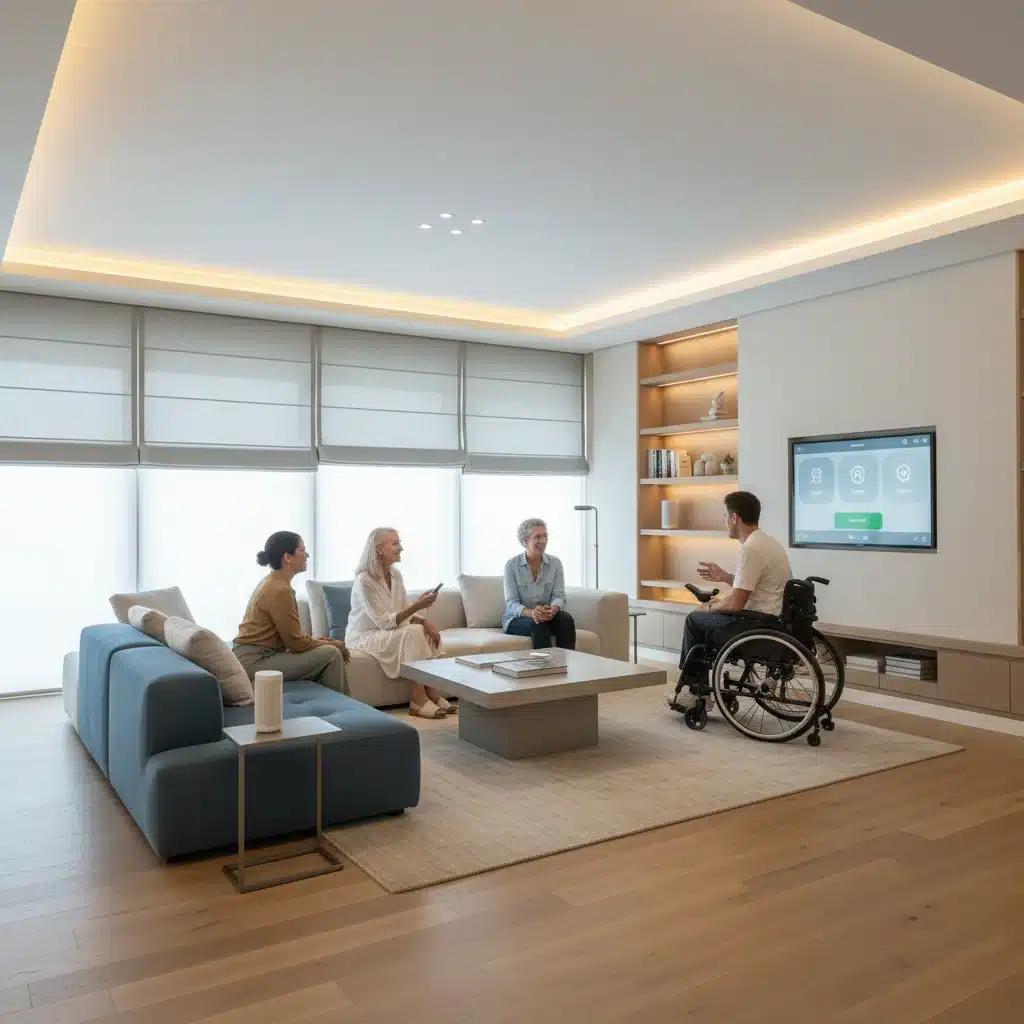
Consider the impact on an individual with severe mobility impairments. Traditional homes might present numerous obstacles: light switches out of reach, doors difficult to open, or thermostats requiring fine motor skills. A smart home, however, can transform these challenges into seamless interactions. Voice commands can adjust lighting, open and close blinds, lock doors, and control entertainment systems. Smart door openers can grant access with a simple spoken phrase or a tap on a tablet. This level of control empowers individuals to manage their living space independently, fostering a sense of autonomy that is invaluable.
The significance of smart home accessibility is further amplified by demographic shifts. As populations age globally, the demand for living solutions that support independent aging in place is skyrocketing. Older adults often face decreasing mobility, vision, and hearing, making traditional home environments increasingly difficult to navigate. Smart home technologies offer practical solutions, from fall detection systems and medication reminders to voice-activated communication tools, ensuring safety and connectivity.
Moreover, for individuals with cognitive disabilities, smart home solutions can provide structured routines, visual prompts, and simplified interfaces, reducing anxiety and promoting self-sufficiency. Imagine a smart calendar that verbally reminds an individual of their appointments or a system that guides them through a cooking process step-by-step. These applications of smart home accessibility are not just convenient; they are life-changing.
The Driving Force: Why Smart Home Accessibility Matters Now More Than Ever
The increasing focus on smart home accessibility is driven by several critical factors, creating a perfect storm for its widespread adoption and innovation.
Demographic Shifts and the Aging Population
As mentioned, the global population is aging rapidly. The number of people aged 60 years and over is projected to double by 2050. This demographic trend necessitates housing solutions that support aging in place, allowing older adults to maintain their independence and quality of life in their own homes for longer. Smart home technologies are central to this, offering tools for safety, health monitoring, and daily task management.
Prevalence of Disabilities
The statistic that 1 in 4 Americans will live with a disability by 2026 underscores the immense need for accessible environments. Disabilities are diverse, ranging from physical impairments to sensory and cognitive challenges. Traditional home designs often fail to accommodate this spectrum of needs, leading to reliance on caregivers or institutional living. Smart home accessibility offers a viable alternative, promoting inclusion and individual empowerment.
Technological Advancements and Affordability
The rapid evolution of smart technology, coupled with decreasing costs, has made advanced accessibility features more attainable than ever before. What was once prohibitively expensive or complex is now becoming mainstream. Voice assistants, smart sensors, and integrated home automation platforms are increasingly user-friendly and affordable, democratizing access to these life-enhancing tools.
Increased Awareness and Advocacy
There’s growing awareness and advocacy around disability rights and inclusive design. This societal shift is pushing manufacturers, builders, and policymakers to prioritize accessibility in all aspects of life, including residential environments. Consumers are also becoming more informed about the benefits of smart home technology for themselves or their loved ones, driving demand.
The Push for Independent Living
For many individuals with disabilities, the ability to live independently is a fundamental human right and a deeply held aspiration. Smart home accessibility directly supports this goal by removing barriers and providing tools that enable self-sufficiency. This reduces the burden on caregivers, fosters dignity, and allows individuals to participate more fully in their communities.
Key Technologies Powering Smart Home Accessibility
The landscape of smart home accessibility is rich with innovative technologies designed to address a wide range of needs. Here are some of the most impactful:
Voice-Activated Assistants and Controls
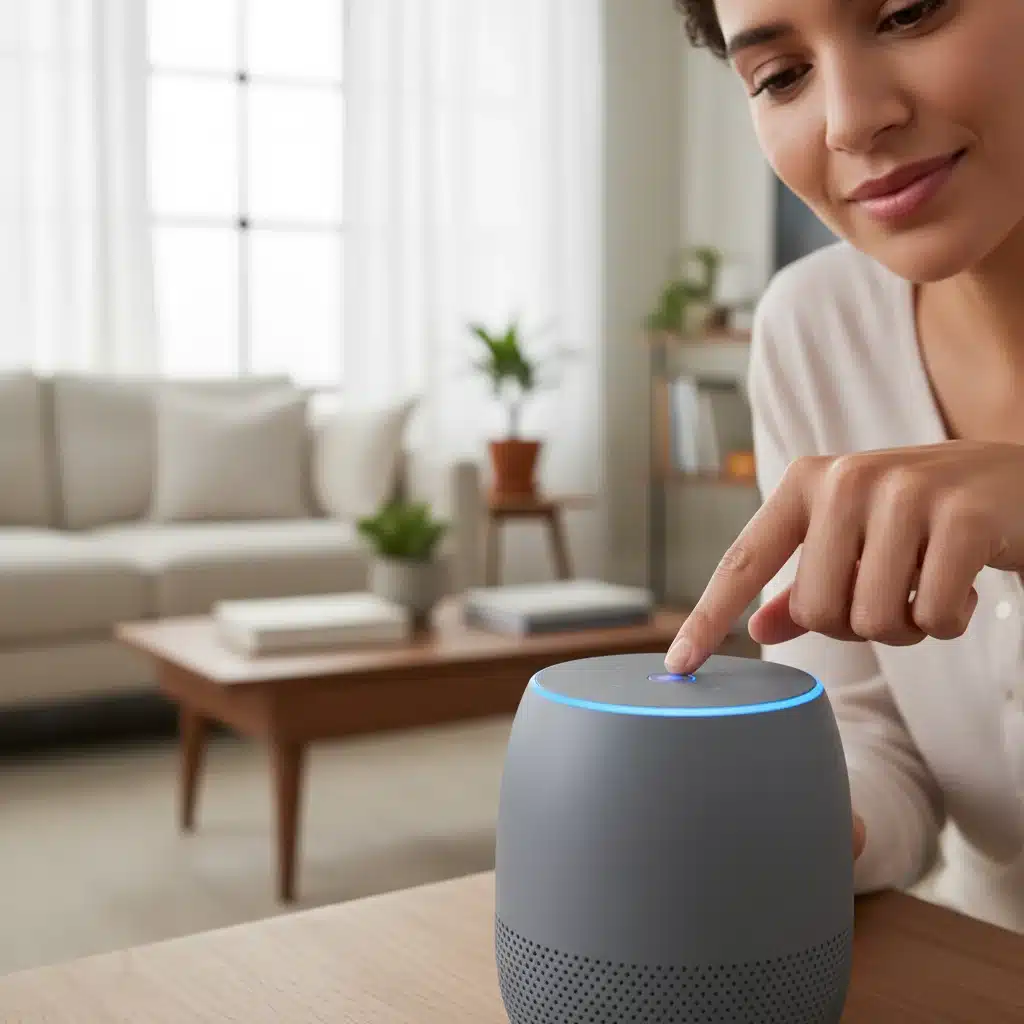
Devices like Amazon Echo, Google Home, and Apple HomePod are perhaps the most recognizable faces of smart home technology. For accessibility, they are revolutionary. Individuals with limited mobility or dexterity can control lights, thermostats, entertainment systems, and even smart appliances with simple voice commands. This eliminates the need to physically interact with switches or buttons, providing unparalleled ease of use.
Smart Lighting Systems
Beyond simple on/off control, smart lighting offers dimming capabilities, color changes, and scheduling. For accessibility, this means:
- Automated Lighting: Lights can turn on or off based on motion, time of day, or voice commands, preventing trips and falls in dimly lit areas.
- Visual Cues: Color-changing lights can provide non-auditory alerts for doorbells, phone calls, or alarms, beneficial for individuals with hearing impairments.
- Adjustable Brightness: Users can customize light levels to suit their vision needs, reducing eye strain.
Smart Thermostats and Environmental Controls
Maintaining a comfortable home environment is crucial for well-being. Smart thermostats allow users to adjust temperature via voice, smartphone apps, or automated schedules. This is particularly beneficial for individuals who struggle to reach or manipulate traditional thermostat controls. Advanced systems can also integrate with smart blinds or windows to optimize temperature and airflow.
Accessible Door Locks and Entry Systems
Keyless entry systems, smart door locks, and video doorbells significantly enhance home security and accessibility. Users can lock/unlock doors remotely, grant temporary access to caregivers or visitors, and see who is at the door without having to physically open it. This is invaluable for those with mobility challenges or those who prefer to screen visitors before opening the door.
Smart Safety and Security Features
Safety is a paramount concern, especially for vulnerable individuals. Smart home accessibility integrates various safety features:
- Fall Detection: Wearable devices or ambient sensors can detect falls and automatically alert caregivers or emergency services.
- Smart Smoke/CO Detectors: These devices not only alert residents but can also send notifications to family members and trigger other smart home actions, like unlocking doors for emergency responders.
- Video Surveillance: Indoor and outdoor cameras allow for monitoring and peace of mind, both for residents and their families.
Assistive Technologies Integration
Many smart home platforms are designed to integrate seamlessly with specialized assistive technologies, such as:
- Communication Devices: Augmentative and alternative communication (AAC) devices can be linked to control smart home functions.
- Eye-Tracking Technology: For individuals with severe motor impairments, eye-tracking systems can be used to navigate smart home interfaces.
- Smart Beds and Lifts: Automated beds that adjust position or ceiling lifts for transfers can be integrated into a broader smart home ecosystem for comprehensive care.
Smart Kitchen and Bathroom Appliances
The kitchen and bathroom are often areas of high risk but also high importance for independence. Smart appliances are making these spaces more accessible:
- Touchless Faucets and Soap Dispensers: Reduce the need for gripping and turning.
- Automated Cooktops and Ovens: Features like automatic shut-off or voice-controlled settings enhance safety and ease of use.
- Smart Toilets: Offer heated seats, bidet functions, and automatic flushing, improving hygiene and comfort.
The Benefits of Smart Home Accessibility: A Holistic Approach
The advantages of integrating smart home accessibility solutions extend far beyond mere technological novelty. They contribute to a holistic improvement in the lives of individuals and their families.
Enhanced Independence and Autonomy
This is arguably the most significant benefit. By automating routine tasks and providing intuitive control over their environment, smart homes empower individuals to manage their daily lives with minimal or no assistance. This boosts self-esteem, reduces feelings of dependence, and allows them to make choices about their living space.
Increased Safety and Security
From fall detection and emergency alerts to smart locks and surveillance, smart homes significantly enhance safety. This provides peace of mind for both the residents and their loved ones, knowing that help can be summoned quickly if needed and that the home environment is secure.
Improved Comfort and Convenience
Adjusting lighting, temperature, and entertainment settings with ease contributes to a more comfortable and enjoyable living experience. Smart homes adapt to individual preferences, creating an optimal environment tailored to specific needs and routines.
Support for Caregivers
While fostering independence, smart home accessibility also provides invaluable support for caregivers. Remote monitoring capabilities, medication reminders, and automated assistance for daily tasks can reduce the physical and emotional burden on caregivers, allowing them to provide more focused and less strenuous support. This can also enable caregivers to balance their responsibilities more effectively.
Aging in Place
For older adults, the ability to age in place – to live independently and comfortably in their own homes for as long as possible – is a powerful desire. Smart home technologies make this a reality by mitigating age-related challenges and providing a safe, supportive environment, delaying or even preventing the need for assisted living facilities.
Cost Savings in the Long Run
While initial setup costs might seem significant, the long-term savings associated with smart home accessibility can be substantial. Reducing the need for round-the-clock personal care, delaying moves to assisted living facilities, and preventing accidents can all lead to considerable financial benefits over time.
Designing for Inclusivity: Best Practices in Smart Home Accessibility
Implementing effective smart home accessibility is not just about installing gadgets; it requires thoughtful design and a user-centric approach. Here are some best practices:
User-Centric Design
The most effective accessible smart homes are designed with the specific needs and preferences of the end-user in mind. This involves consulting with individuals with disabilities, occupational therapists, and accessibility experts to understand challenges and tailor solutions accordingly. One-size-fits-all rarely works in accessibility.
Redundancy and Multiple Control Options
Relying on a single mode of interaction can be problematic. A robust accessible smart home offers multiple ways to control functions – voice, touch, physical buttons, remote controls – ensuring that if one method is unavailable or difficult, an alternative exists. For instance, a light switch should ideally be controllable by voice, an app, and a physical switch placed at an accessible height.
Simplicity and Intuitive Interfaces
While technology can be complex, its interface for the user should be as simple and intuitive as possible. Overly complicated apps or voice commands can negate the benefits of accessibility. Clear visual cues, large buttons, and straightforward language are crucial.
Scalability and Future-Proofing
Needs can change over time. An accessible smart home system should be scalable, allowing for the addition of new devices and features as requirements evolve. It should also be built on open standards where possible, ensuring compatibility with future technologies.
Reliability and Robustness
For individuals relying on smart home features for daily living, system reliability is paramount. Devices must work consistently, and backup plans (e.g., battery backups for essential functions during power outages) should be considered.
Privacy and Security
With more devices connected, privacy and data security become critical. Users need assurance that their personal data is protected and that their home environment is secure from unauthorized access. Strong encryption, secure networks, and transparent data policies are essential.
The Future of Smart Home Accessibility: Innovations on the Horizon
The pace of innovation in smart home technology shows no signs of slowing down, promising an even more inclusive future. Here’s a glimpse of what’s on the horizon for smart home accessibility:
Advanced AI and Machine Learning
Future smart homes will leverage AI to become even more predictive and adaptive. Systems will learn user routines, anticipate needs, and proactively adjust environments. For instance, an AI could learn a user’s preferred temperature at different times of day or detect subtle changes in gait that might indicate a fall risk before it happens.
Seamless Integration with Health Monitoring
The line between smart homes and healthcare will blur further. Integrated sensors will continuously monitor vital signs, sleep patterns, and activity levels, sharing data securely with healthcare providers if authorized. This proactive health monitoring can lead to earlier interventions and better management of chronic conditions.
Robotics and Automated Assistance
While still in early stages, domestic robots could play an increasing role in accessibility. Robotic arms could assist with household chores, personal care, or retrieving items, offering significant support for individuals with severe physical limitations.
Brain-Computer Interfaces (BCIs)
For individuals with profound disabilities, BCIs offer the ultimate level of control, allowing them to interact with their smart home environment purely through thought. While highly complex, this technology holds immense promise for restoring autonomy to those with severe communication or motor impairments.
Augmented Reality (AR) for Navigation and Guidance
AR could provide visual overlays to assist individuals with cognitive impairments or visual challenges in navigating their homes, identifying objects, or following step-by-step instructions for tasks.
Inclusive Urban Planning and Smart Communities
The concept of smart home accessibility will extend beyond individual residences to encompass entire communities. Smart cities will integrate accessible public spaces, transportation, and services, creating truly inclusive urban environments where smart homes are just one component of a larger accessible ecosystem.
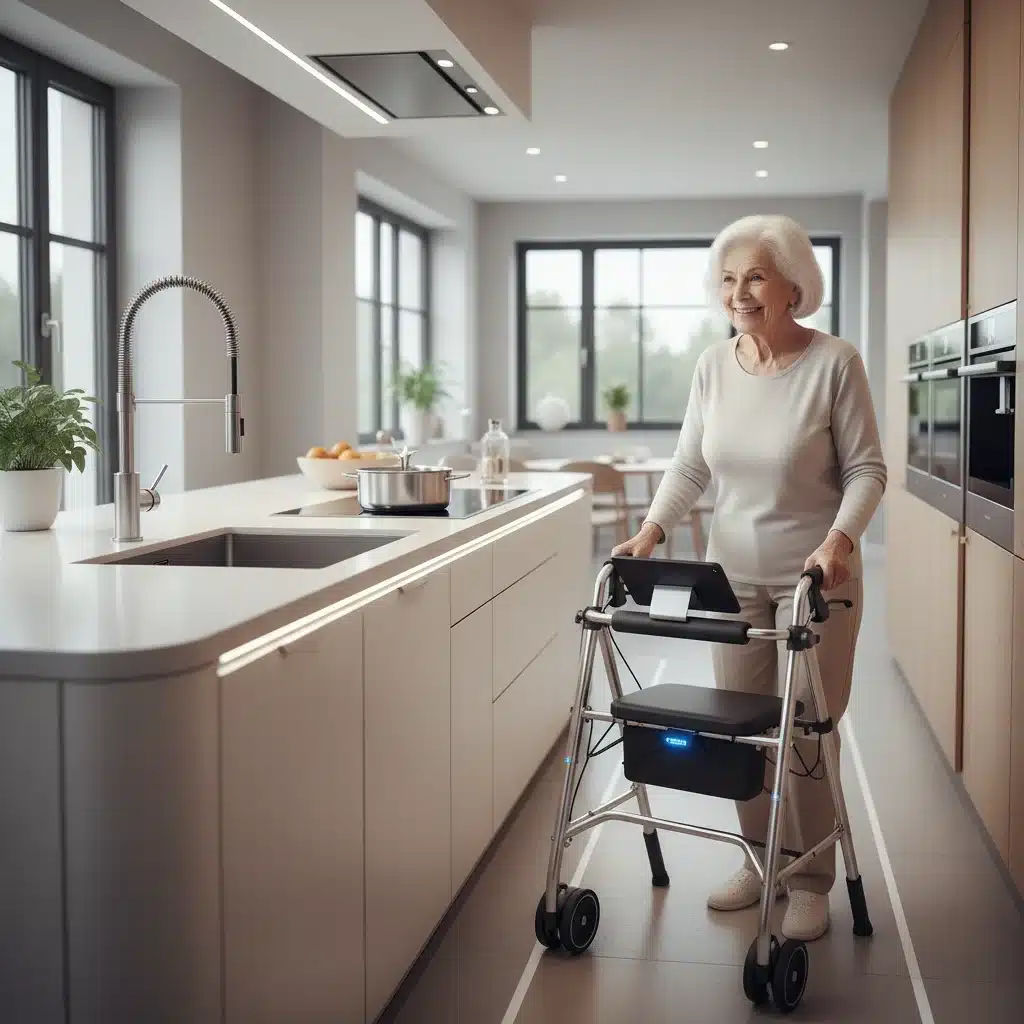
Challenges and Considerations for Widespread Adoption
Despite the immense potential, several challenges need to be addressed for smart home accessibility to achieve widespread adoption:
Cost
While prices are decreasing, comprehensive smart home installations can still be expensive, posing a barrier for many. Government subsidies, insurance coverage, and more affordable modular solutions will be crucial.
Technological Complexity and Interoperability
The sheer number of devices and platforms can be overwhelming. Ensuring seamless interoperability between different brands and systems is essential to create truly integrated and user-friendly accessible homes.
Privacy and Data Security Concerns
The collection of personal data by smart devices raises significant privacy concerns. Robust security measures and clear, transparent data usage policies are necessary to build trust.
Digital Literacy and Training
Not everyone is comfortable with new technology. Adequate training and ongoing support will be vital to ensure users can effectively utilize their smart home systems.
Lack of Standardized Regulations and Building Codes
To ensure consistent quality and accessibility, there’s a need for more standardized regulations and building codes that incorporate smart home accessibility features into new constructions and renovations.
Conclusion: A Future Where Every Home is a Smart, Accessible Home
The vision of smart home accessibility is not merely about technological advancement; it’s about a fundamental shift in how we conceive of living spaces. It’s about recognizing the inherent value of every individual and designing environments that empower them to live full, independent, and dignified lives. As the statistics clearly show, the demand for such solutions is not a niche requirement but a growing necessity that will impact a significant portion of the population in the coming years.
From voice-controlled environments that eliminate physical barriers to intelligent sensors that provide safety and peace of mind, smart home technology is revolutionizing what it means to be home. The journey is ongoing, with challenges to overcome and innovations yet to be discovered. However, the trajectory is clear: the future of housing is inclusive, adaptive, and intelligently designed for all. By embracing smart home accessibility, we are not just building better homes; we are building a better, more equitable society, one intelligent living space at a time.
The commitment to creating accessible smart homes reflects a deeper societal value – that everyone deserves the opportunity to live independently and comfortably. As technology continues to evolve and become more integrated into our daily lives, the potential for smart homes to profoundly enhance the lives of millions of Americans, and indeed people worldwide, will only grow. The year 2026 is not just a projection; it’s a call to action to ensure that our homes are ready for the future, a future where accessibility is not an afterthought, but a foundational principle.