Retrofit Your Home for Smart Living: 4 Key Areas by 2026
Anuncios
Retrofitting Your Home for Smart Living: 4 Key Areas to Focus on by End of 2026 (PRACTICAL SOLUTIONS)
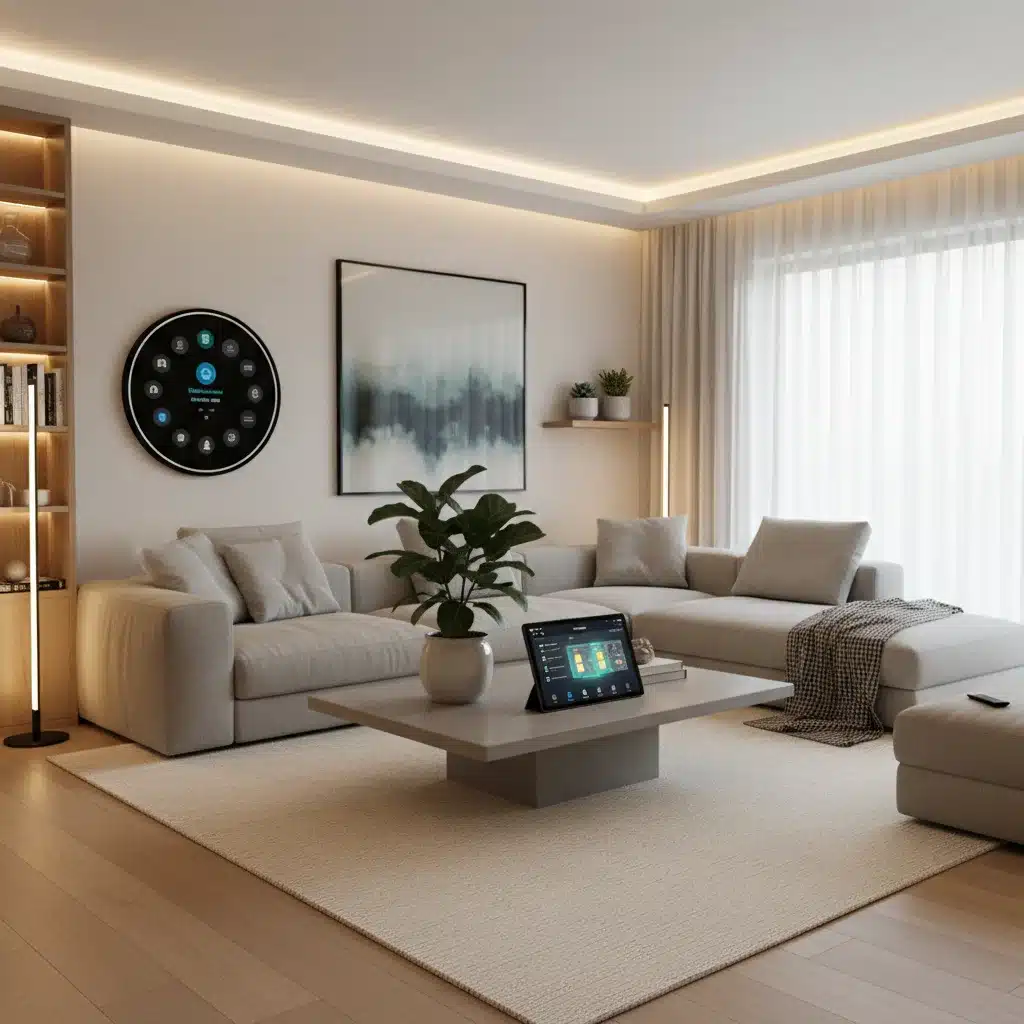
The concept of a ‘smart home’ is no longer a futuristic dream but a present-day reality, rapidly evolving and becoming more accessible. By the end of 2026, integrating smart technologies into your living space will not only be a convenience but a strategic move towards a more efficient, secure, and comfortable lifestyle. This article delves into the critical aspects of how to smart home retrofit your existing residence, focusing on four key areas: energy management, home security, comfort & convenience, and entertainment. We’ll explore practical, budget-friendly solutions that don’t require a complete overhaul, making smart living achievable for everyone.
Anuncios
The global smart home market is experiencing exponential growth, driven by advancements in IoT (Internet of Things) devices, AI, and seamless connectivity. Homeowners are increasingly looking for ways to enhance their quality of life, reduce energy consumption, and bolster security without undertaking massive renovation projects. Retrofitting, by definition, means adding new technology or features to older systems. In the context of smart homes, this translates to integrating intelligent devices and systems into your existing infrastructure, often wirelessly, to create a connected and automated environment. Our goal is to guide you through this transformation, ensuring your home is future-ready by 2026.
Why Now is the Time to Smart Home Retrofit
The rapid pace of technological innovation means that smart home devices are becoming more affordable, user-friendly, and interoperable. What was once considered a luxury is now a mainstream option, offering tangible benefits that justify the investment. From reducing your carbon footprint to saving money on utility bills, and from enhancing personal safety to elevating daily comfort, the advantages are compelling. Moreover, with the increasing standardization of communication protocols (like Matter and Thread), integrating different brands and devices is becoming simpler, paving the way for a truly cohesive smart home ecosystem. Don’t wait until 2027 to realize the benefits; start planning your smart home retrofit today.
Long-Term Savings and Increased Home Value
One of the most significant motivators for a smart home retrofit is the potential for long-term savings. Smart thermostats, for instance, can learn your habits and optimize heating and cooling, leading to substantial reductions in energy consumption. Smart lighting systems, particularly those using LED technology, consume significantly less electricity and have a longer lifespan. Beyond utility savings, a smart home is a more attractive home to potential buyers. Studies show that homes equipped with smart technology can command a higher resale value, making your retrofit an investment that pays dividends.
Anuncios
Enhanced Security and Peace of Mind
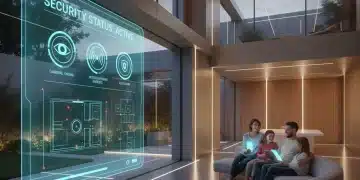
The thought of securing your home often brings to mind complex alarm systems. However, smart security goes beyond traditional alarms, offering a comprehensive, proactive approach to protecting your property and loved ones. With smart cameras, door locks, and motion sensors, you can monitor your home remotely, receive instant alerts, and even deter intruders. This level of control and awareness provides unparalleled peace of mind, whether you’re at work, on vacation, or simply in another room.
Unrivaled Comfort and Convenience
Imagine waking up to lights that gradually brighten, a coffee machine that starts brewing automatically, and a home that’s already at your preferred temperature. This is the promise of a smart home: an environment that anticipates your needs and responds to your commands, making daily life effortlessly comfortable. From voice-controlled assistants to automated routines, a smart home retrofit transforms mundane tasks into seamless experiences, giving you more time for what truly matters.
Key Area 1: Energy Management and Efficiency
Energy consumption is a major concern for homeowners, both financially and environmentally. A smart home retrofit offers numerous opportunities to optimize energy use, leading to significant savings and a reduced carbon footprint. By 2026, intelligent energy management will be a cornerstone of modern living.
Smart Thermostats: The Brains of Your HVAC System
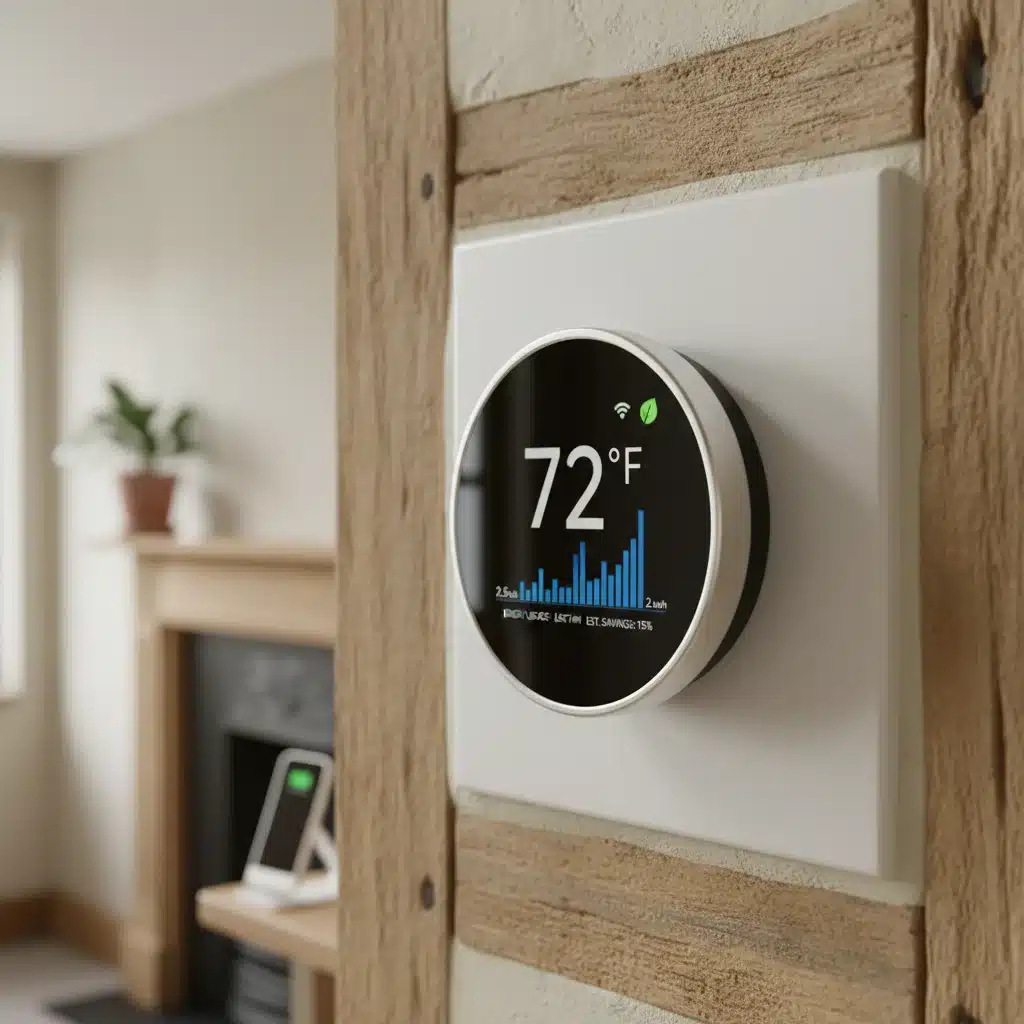
The smart thermostat is arguably the most impactful device for energy efficiency. Brands like Nest, Ecobee, and Honeywell offer models that learn your schedule, detect when you’re away, and adjust temperatures accordingly. Many also integrate with local weather forecasts to pre-heat or pre-cool your home, further optimizing energy use. Installation is often straightforward, making it an ideal starting point for your smart home retrofit journey. Some models even provide detailed energy reports, allowing you to track and understand your consumption patterns.
Smart Lighting: Beyond On and Off
Smart lighting systems, such as Philips Hue, Lutron Caséta, and LIFX, offer more than just remote control. They allow for dimming, color changes, and scheduling, ensuring lights are only on when and where they’re needed. Motion sensors can automatically turn lights on upon entry and off upon exit, preventing wasted energy. Furthermore, LED smart bulbs are inherently more energy-efficient than traditional incandescent or fluorescent bulbs, offering a double benefit. A comprehensive smart lighting retrofit can significantly reduce your electricity bill and enhance the ambiance of your home.
Smart Plugs and Power Strips: Taming Phantom Load
Even when turned off, many electronic devices continue to draw a small amount of power, known as ‘phantom load’ or ‘vampire draw.’ Smart plugs and power strips are a simple yet effective solution. These devices allow you to remotely turn off power to connected electronics, eliminating phantom load and saving energy. They can also be scheduled to power down devices overnight or when you’re away, offering an easy win in your smart home retrofit strategy. They are particularly useful for entertainment systems, computer peripherals, and kitchen appliances.
Energy Monitoring Systems: Gaining Insight
For a deeper understanding of your home’s energy consumption, consider a whole-home energy monitoring system. Devices like Sense or Emporia Vue connect to your electrical panel and provide real-time data on energy usage, often identifying specific appliances that are consuming the most power. This insight empowers you to make informed decisions about your energy habits and prioritize further efficiency upgrades. By 2026, these systems will be even more integrated, offering predictive analytics to optimize your energy footprint.
Key Area 2: Home Security and Safety
Protecting your home and family is paramount. A smart home retrofit can significantly upgrade your security posture, moving beyond traditional alarm systems to a more integrated and proactive approach. The goal is to create a layered defense that deters intruders, alerts you to potential threats, and provides peace of mind.
Smart Door Locks: Keyless Entry and Remote Access
Replacing traditional deadbolts with smart door locks (e.g., August, Yale, Kwikset) offers unparalleled convenience and security. You can lock and unlock your doors remotely, grant temporary access to guests or service providers, and receive notifications whenever a door is opened or closed. Many smart locks integrate with voice assistants and other smart home platforms, allowing for seamless control. This is a fundamental component of any modern smart home retrofit for security.
Smart Cameras and Video Doorbells: Visual Surveillance
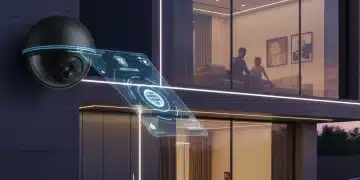
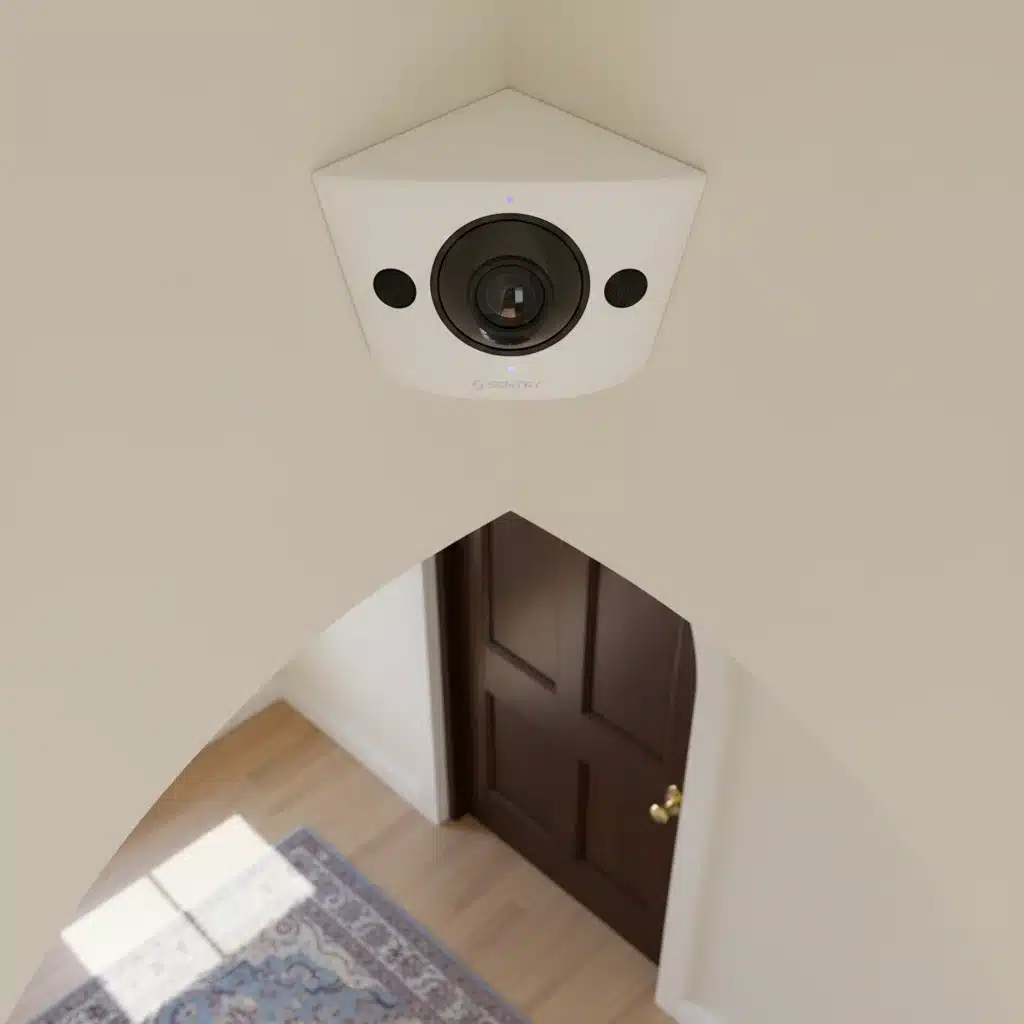
Smart cameras (indoor and outdoor) and video doorbells (e.g., Ring, Arlo, Google Nest) provide visual monitoring of your property. They offer features like motion detection, two-way audio, and cloud storage for recorded footage. A video doorbell allows you to see and speak to visitors from anywhere, even when you’re not home. Outdoor cameras can deter potential intruders, while indoor cameras can monitor pets or provide peace of mind about loved ones. Integration with your overall smart home system means you can trigger recordings based on other sensor events, creating a more robust security network.
Smart Sensors: Motion, Contact, and Environmental
Beyond cameras, a variety of smart sensors can enhance your home’s safety. Motion sensors can detect movement in specific areas, triggering alarms or smart lighting. Contact sensors on windows and doors alert you if they are opened unexpectedly. Environmental sensors are also crucial for safety: smart smoke/CO detectors (e.g., Google Nest Protect) can alert your phone in case of an emergency, even if you’re not home, and smart water leak detectors can prevent costly damage by notifying you of leaks early. These subtle additions are vital for a comprehensive smart home retrofit.
Integrated Security Hubs and Professional Monitoring
For maximum security, consider a central smart home security hub that integrates all your devices. Brands like SimpliSafe, Abode, and Vivint offer comprehensive systems that can be self-monitored or connected to professional monitoring services for 24/7 protection. These hubs often act as the central brain, allowing all your smart security devices to communicate and work together seamlessly. By 2026, these integrated systems will be even more intelligent, offering predictive threat analysis.
Key Area 3: Comfort and Convenience
A smart home is synonymous with comfort and convenience. A well-executed smart home retrofit can transform your daily routines, making your living space more responsive to your needs and desires. From automated routines to personalized environments, the possibilities are vast.
Voice Assistants: The Command Center
Voice assistants like Amazon Alexa, Google Assistant, and Apple HomeKit are the central nervous system for many smart homes. They allow you to control lights, thermostats, music, and countless other devices with simple voice commands. Integrating a smart speaker or display into your home is often the first step towards hands-free control and greatly enhances the convenience factor of your smart home retrofit.
Automated Blinds and Shades: Light and Privacy Control
Smart blinds and shades (e.g., Lutron Serena, Somfy, IKEA Fyrtur) offer automated control over natural light and privacy. You can schedule them to open and close at specific times, adjust based on daylight sensors, or control them remotely. This not only adds convenience but can also contribute to energy efficiency by blocking out harsh sun in summer or retaining heat in winter. They add a touch of luxury and sophistication to any smart home retrofit.
Smart Appliances: Kitchen and Laundry Upgrades
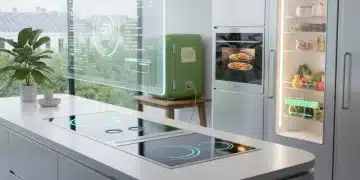
While often more of an investment, smart appliances are becoming increasingly common. Smart refrigerators can manage grocery lists, smart ovens can be preheated remotely, and smart washing machines can be started from your phone. While a full appliance replacement might not be part of an initial retrofit, smart plugs can give some ‘smart’ capabilities to existing appliances (e.g., turning on a slow cooker remotely). For those looking to upgrade, smart appliances offer significant convenience and integration possibilities by 2026.
Automated Routines and Scenes: Personalized Experiences
The true power of a smart home retrofit lies in creating automated routines and scenes. Imagine a ‘Good Morning’ scene that gradually brightens the lights, adjusts the thermostat, and starts your coffee maker. Or a ‘Movie Night’ scene that dims the lights, closes the blinds, and turns on your entertainment system. These personalized automations can be triggered by time, motion, voice commands, or even your location, creating a truly responsive and intuitive living environment.
Key Area 4: Entertainment and Connectivity
Beyond practical applications, a smart home retrofit also enhances your entertainment experience and ensures robust connectivity throughout your residence. A seamlessly integrated entertainment system can transform how you enjoy music, movies, and gaming.
Multi-Room Audio Systems: Music Everywhere
Smart multi-room audio systems (e.g., Sonos, Bose SoundTouch, Apple HomePod) allow you to stream music wirelessly to different rooms, synchronize playback, or play different tracks in different zones. Whether it’s ambient background music, a party playlist, or a podcast, a smart audio setup provides unparalleled flexibility and sound quality. This is an excellent addition for any entertainment-focused smart home retrofit.
Smart TVs and Streaming Devices: Centralized Media
Modern smart TVs come with built-in streaming capabilities and often integrate with voice assistants. For older TVs, smart streaming devices like Apple TV, Roku, or Amazon Fire TV Stick can provide similar functionality, bringing a world of content to your fingertips. Integrating these devices into your smart home ecosystem allows for voice control and seamless interaction with other smart devices, enhancing your overall media consumption experience.
Universal Remotes and Hubs: Consolidating Control
Juggling multiple remotes can be frustrating. Smart universal remotes (e.g., Logitech Harmony) or smart home hubs with IR/RF blasters can consolidate control over all your entertainment devices. This allows you to manage your TV, sound system, and streaming boxes from a single interface or even through voice commands, simplifying your entertainment setup as part of your smart home retrofit.
Robust Wi-Fi Network: The Foundation of Connectivity
A strong and reliable Wi-Fi network is the backbone of any smart home. As you add more smart devices, ensuring adequate bandwidth and coverage throughout your home becomes crucial. Consider upgrading to a mesh Wi-Fi system (e.g., Google Nest Wifi, Eero, Netgear Orbi) to eliminate dead zones and provide a stable connection for all your smart devices. By 2026, a robust network will be non-negotiable for optimal smart home performance.
Planning Your Smart Home Retrofit: A Step-by-Step Guide
Embarking on a smart home retrofit doesn’t have to be overwhelming. A phased approach, starting with your most pressing needs or areas of interest, is often the most effective. Here’s a guide to help you plan your transformation:
- Assess Your Needs and Priorities: What problems do you want to solve? Are you focused on saving energy, enhancing security, or simply adding convenience? List your top priorities to guide your initial purchases.
- Set a Budget: Smart home devices range widely in price. Determine how much you’re willing to invest upfront and over time. Remember, many devices offer long-term savings.
- Start Small and Expand: You don’t need to automate your entire home at once. Begin with a few key devices in one area, like a smart thermostat or a few smart bulbs. As you become more comfortable, you can gradually expand your system.
- Choose a Platform and Ecosystem: Decide on a primary smart home platform (e.g., Google Home, Amazon Alexa, Apple HomeKit) as this will influence device compatibility. Look for devices that support open standards like Matter and Thread for broader interoperability.
- Consider Professional Installation (Optional): While many smart devices are DIY-friendly, complex installations (like whole-home wiring or integrated security systems) might benefit from professional help.
- Prioritize Network Infrastructure: Ensure your Wi-Fi network can handle the increased load of multiple smart devices. Upgrade to a mesh system if necessary.
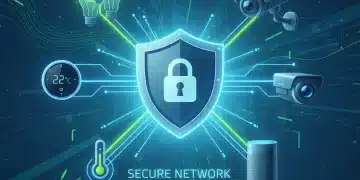
- Focus on Security and Privacy: Research the security features of any smart device before purchasing. Use strong, unique passwords and enable two-factor authentication whenever possible.
- Stay Informed: The smart home market is constantly evolving. Keep up-to-date with new technologies, features, and security best practices to continuously optimize your system.
Budget-Friendly Retrofit Tips
- Smart Plugs First: They’re inexpensive and can make almost any ‘dumb’ appliance ‘smart’ in terms of scheduling and remote control.
- Start with Smart Bulbs: A single smart bulb can introduce you to smart lighting without a significant investment.
- DIY Installation: Many smart devices are designed for easy self-installation, saving on labor costs.
- Look for Sales and Bundles: Retailers often offer discounts on smart home devices, especially during holiday seasons.
- Utilize Existing Devices: If you already have a smart speaker, leverage it as the hub for your new smart devices.
The Future of Your Smart Home by 2026 and Beyond
By the end of 2026, the landscape of smart homes will be even more integrated and intuitive. We can expect to see greater adoption of AI and machine learning, allowing homes to anticipate needs with even greater accuracy. Interoperability will continue to improve, making it easier to mix and match devices from different manufacturers. Furthermore, sustainability will play an even larger role, with smart homes actively working to reduce their environmental impact through advanced energy management and resource optimization.
Your smart home retrofit is not just about adding gadgets; it’s about investing in a lifestyle that is more efficient, secure, and enjoyable. It’s about creating a living space that adapts to your life, rather than the other way around. The journey to a smarter home is an ongoing one, with continuous opportunities for enhancement and personalization. By focusing on these four key areas – energy, security, comfort, and entertainment – you’ll be well on your way to a truly intelligent home by 2026, reaping the benefits for years to come.
Embrace the future of living. Start planning your smart home retrofit today and transform your house into a smarter, more responsive, and more efficient haven.