Next-Gen Smart Lighting: Optimal Ambiance & 10% Electricity Savings
Anuncios
Next-Gen Smart Lighting: Achieving Optimal Ambiance and Saving 10% on Electricity Costs with Latest Systems
In an era where technology seamlessly integrates into our daily lives, the evolution of home and office environments continues to push boundaries. One of the most impactful, yet often overlooked, advancements is in the realm of lighting. Gone are the days of simple on/off switches; we are now firmly in the age of smart lighting systems. These sophisticated solutions offer not just illumination, but an intelligent, adaptable, and energy-efficient approach to how we experience light. Beyond mere convenience, next-gen smart lighting promises significant financial benefits, particularly a tangible reduction in electricity costs, often exceeding 10%.
Anuncios
This comprehensive guide will delve into the transformative power of smart lighting systems, exploring their capabilities, the tangible savings they offer, and how they contribute to creating optimal ambiance in any setting. We will uncover the latest innovations, discuss implementation strategies, and provide insights into making an informed decision for your home or business. Prepare to shed light on a brighter, smarter, and more economical future.
The Dawn of Smart Lighting Systems: More Than Just Illumination
At its core, a smart lighting system is an advanced lighting setup that can be controlled remotely, often via a smartphone app, voice commands, or automated schedules. Unlike traditional lighting, which is static, smart lighting offers dynamic control over brightness, color temperature, and even color itself. This adaptability allows users to tailor their environment to specific needs, moods, or times of day, creating truly personalized spaces.
Anuncios
Key Components of Smart Lighting Systems:
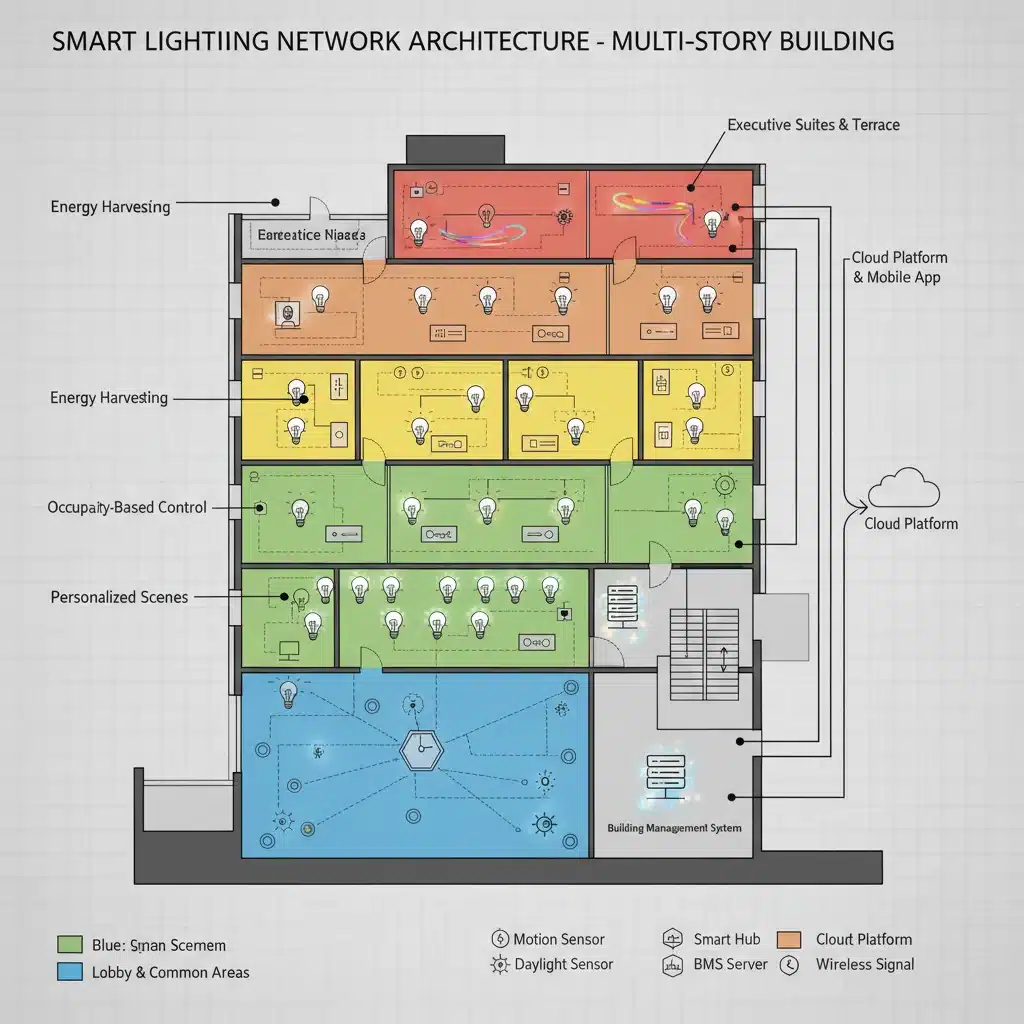
- Smart Bulbs: These are the most common entry point, replacing traditional incandescent or LED bulbs. They contain built-in wireless communication (Wi-Fi, Bluetooth, Zigbee, Z-Wave) and can be controlled individually or in groups.
- Smart Switches/Dimmers: These replace standard wall switches, allowing control over non-smart lights, or providing an alternative physical control point for smart bulbs, often with dimming capabilities.
- Smart Hubs/Bridges: Many smart lighting ecosystems use a central hub to connect all devices, enabling broader control, automation, and integration with other smart home devices.
- Sensors: Motion sensors, occupancy sensors, and ambient light sensors can automatically adjust lighting based on presence or natural light levels, significantly enhancing energy efficiency.
- Control Apps & Voice Assistants: The primary interface for users, these allow for easy configuration, scheduling, and real-time control. Integration with voice assistants like Amazon Alexa, Google Assistant, and Apple HomeKit provides hands-free operation.
The synergy of these components creates a powerful and flexible lighting infrastructure. Imagine waking up to a gentle, gradually brightening light that simulates a sunrise, or having lights automatically dim as you settle in for a movie night. These are just a few examples of the capabilities that modern smart lighting systems bring to the table, moving beyond mere functionality to offer an enriched living experience.
Unlocking Ambiance: Tailoring Light to Every Moment
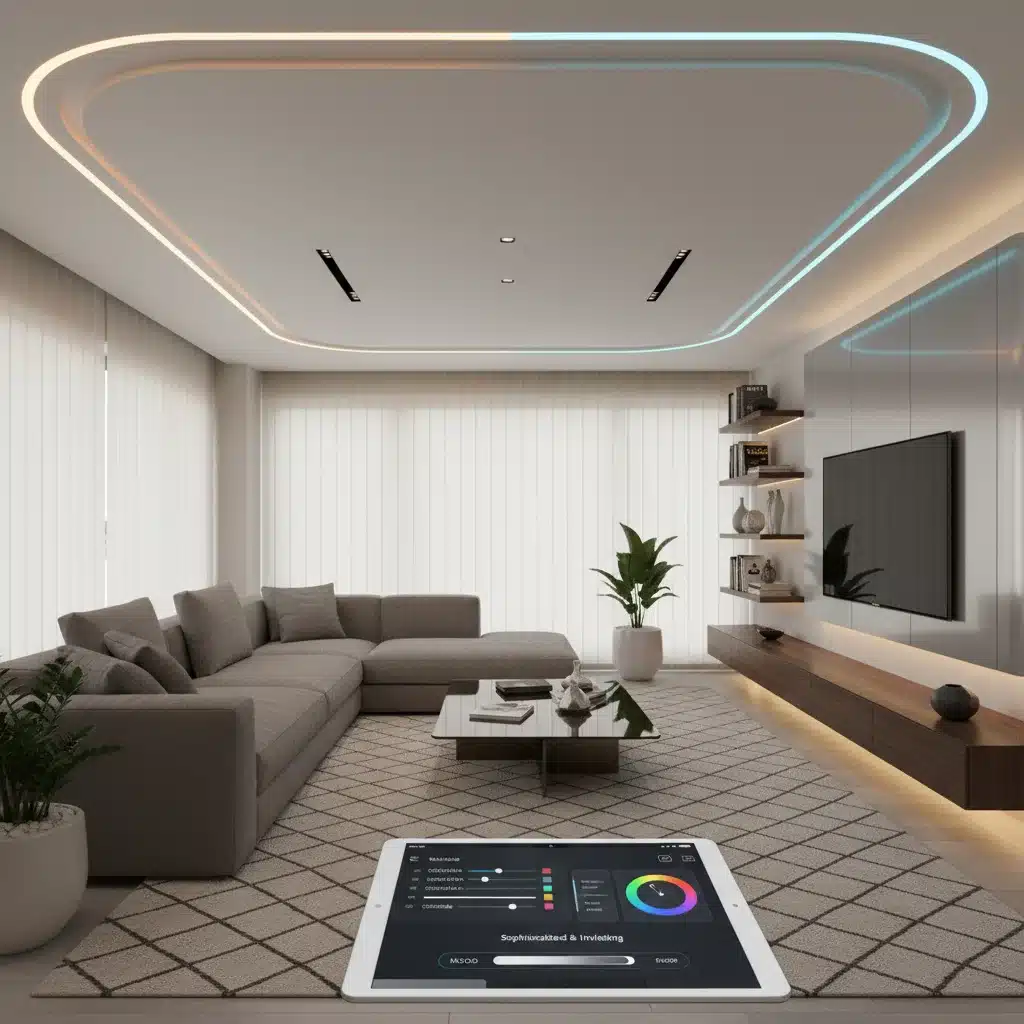
One of the most compelling aspects of next-gen smart lighting systems is their unparalleled ability to shape ambiance. Light profoundly affects our mood, productivity, and overall well-being. With smart lighting, you are no longer limited to a single, static light setting; instead, you gain the power to craft the perfect atmosphere for any occasion.
Dynamic Ambiance Control:
- Tunable White Light: Many smart bulbs offer tunable white light, allowing you to adjust the color temperature from warm (yellowish) to cool (bluish) white. Warm light is ideal for relaxation and cozy evenings, while cool light enhances focus and energy, perfect for tasks or morning routines.
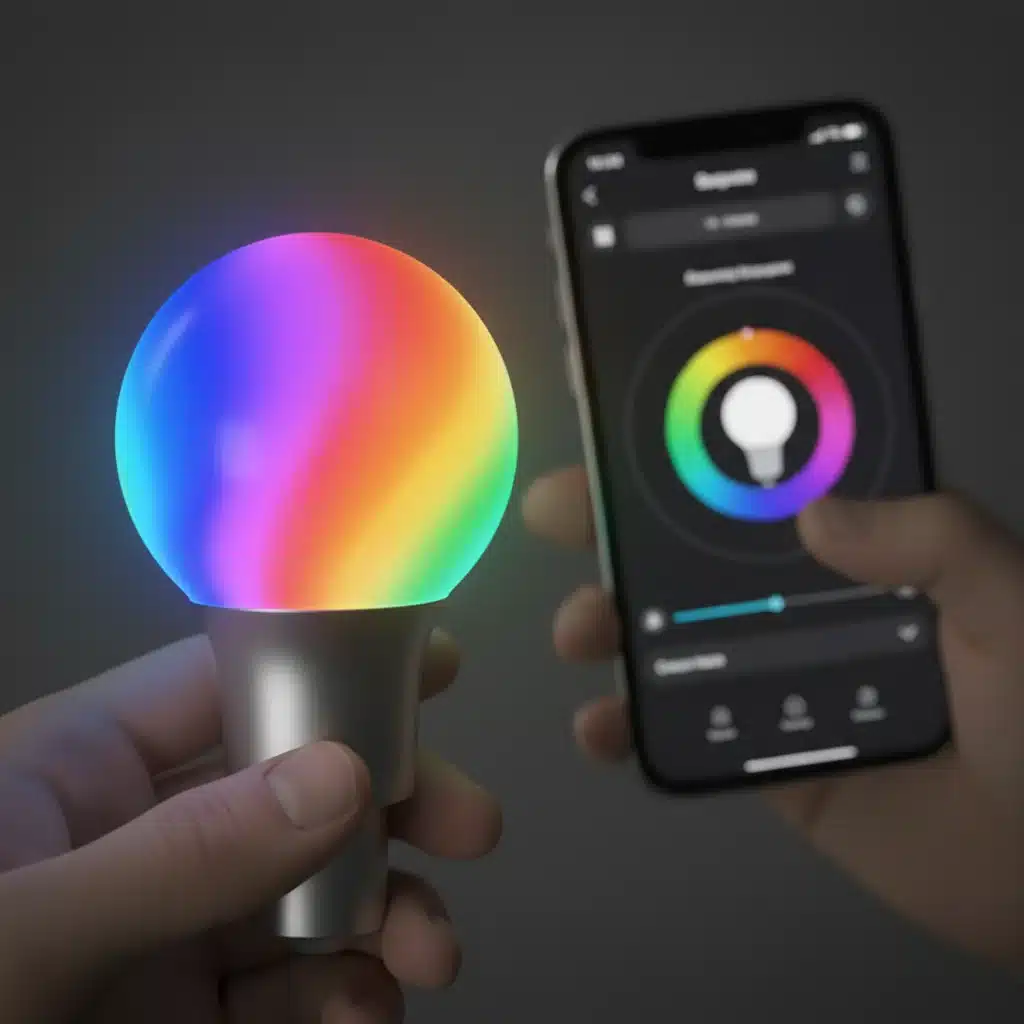
- Full-Color Spectrum (RGB): For those who desire more creative expression, RGB smart bulbs can produce millions of colors. This opens up possibilities for themed parties, creating accent lighting, or simply adding a touch of personality to a room.
- Scene Creation: Most smart lighting systems allow users to save specific light settings (brightness, color, temperature) as ‘scenes.’ A ‘Movie Night’ scene might dim the lights and set a warm glow, while a ‘Reading’ scene could provide bright, cool, focused illumination.
- Adaptive Lighting: Some advanced systems can automatically adjust light throughout the day to mimic natural daylight patterns, supporting your circadian rhythm and promoting better sleep and wakefulness.
The impact of optimal ambiance extends beyond aesthetics. In a home office, bright, cool light can boost concentration and reduce eye strain. In a restaurant, carefully curated warm lighting can create an intimate and inviting dining experience. For retail spaces, dynamic lighting can highlight products and draw customer attention. The ability to precisely control these elements makes smart lighting systems an invaluable tool for enhancing both comfort and functionality in diverse environments.
The Financial Payoff: Saving 10% on Electricity Costs (and More!)
While the aesthetic and convenience benefits of smart lighting systems are clear, their economic advantages are equally significant. One of the primary drivers for adopting smart lighting is the potential for substantial energy savings, with many users reporting a reduction of 10% or more on their electricity bills directly attributable to their lighting choices.
How Smart Lighting Drives Energy Efficiency:
- LED Technology: The vast majority of smart bulbs are built with LED (Light Emitting Diode) technology. LEDs are inherently more energy-efficient than traditional incandescent bulbs, consuming up to 90% less energy and lasting significantly longer. Even compared to CFLs, LEDs offer superior efficiency and lifespan.
- Precise Dimming: Unlike older dimmers that waste energy by converting excess electricity into heat, smart dimming controls precisely reduce power consumption. Dimming lights by even a small percentage can lead to noticeable energy savings over time.
- Automated Scheduling: Setting lights to turn on and off at specific times ensures they are only active when needed. Forgetfulness becomes a non-issue, as lights won’t be left on unnecessarily. This is particularly beneficial for exterior lighting or rooms with inconsistent usage.
- Occupancy/Motion Sensing: Integrating sensors means lights only activate when someone is present and turn off automatically after a period of inactivity. This is incredibly effective in bathrooms, hallways, storage rooms, and offices where occupancy fluctuates.
- Daylight Harvesting: Ambient light sensors can detect natural light levels and adjust artificial lighting accordingly. If a room is sufficiently lit by sunlight, the smart lights will dim or turn off, preventing redundant energy use.
- Remote Control: The ability to turn off lights from anywhere via a smartphone app means you can rectify instances of forgotten lights even when you’ve left the premises, preventing wasted energy.
- Energy Monitoring: Some advanced smart lighting systems offer energy monitoring features, providing insights into your lighting energy consumption. This data empowers users to identify areas for further optimization and reinforces energy-saving habits.
Consider a typical household where lighting accounts for a significant portion of the electricity bill. By switching to LED-based smart lighting and leveraging automation features, a 10% reduction in overall electricity consumption is a conservative estimate. For larger homes or commercial spaces, these savings can be even more dramatic, leading to a quick return on investment for the initial setup cost.
The Latest Innovations in Smart Lighting Technology
The landscape of smart lighting systems is constantly evolving, with new technologies and features emerging regularly. Keeping abreast of these innovations ensures you can leverage the most effective and efficient solutions available.
Cutting-Edge Features and Trends:
- Human-Centric Lighting (HCL): This advanced concept focuses on designing lighting to support human health, well-being, and performance. HCL systems automatically adjust color temperature and intensity throughout the day to align with our natural circadian rhythms, promoting better sleep, mood, and productivity.
- Power over Ethernet (PoE) Lighting: PoE systems deliver both power and data to LED light fixtures over a single Ethernet cable. This simplifies installation, reduces cabling costs, and enables more granular control and data analytics for each fixture, making it highly attractive for commercial and large-scale installations.
- Mesh Networking Technologies (Zigbee, Z-Wave, Thread): These protocols create robust and scalable networks where each device can communicate with others, extending the range and reliability of your smart lighting system. Thread, in particular, is gaining traction for its low power consumption and direct IP addressability.
- Li-Fi (Light Fidelity): While still largely in the experimental phase, Li-Fi uses visible light communication to transmit data. This could transform lighting fixtures into high-speed wireless internet access points, offering secure and interference-free connectivity.
- AI and Machine Learning Integration: Future smart lighting systems will increasingly use AI to learn user preferences and adapt proactively. Imagine lights that anticipate your needs based on your calendar, weather, or even biometric data.
- Seamless Integration with Smart Home Ecosystems: The ability for smart lighting to interact with other smart devices (thermostats, blinds, security cameras) creates truly intelligent environments. For example, lights could flash if a smoke detector goes off, or turn on automatically when a smart lock is disengaged.
These innovations highlight a shift from basic remote control to truly intelligent, adaptive, and integrated lighting solutions. As these technologies mature, they will continue to enhance user experience, energy efficiency, and overall smart home functionality.
Implementing Smart Lighting Systems: A Step-by-Step Guide
Adopting smart lighting systems doesn’t have to be daunting. Whether you’re upgrading a single room or outfitting an entire property, a structured approach can ensure a smooth and successful transition.
Planning and Installation Tips:
- Assess Your Needs: Start by identifying which areas would benefit most from smart lighting. Do you want to automate a single lamp, an entire room, or your whole house? Consider your budget, desired features (color, dimming, scheduling), and existing smart home ecosystem.
- Choose Your Ecosystem: Decide on a platform. Popular choices include Philips Hue, Lutron Caséta, LIFX, and systems compatible with Google Home, Amazon Alexa, or Apple HomeKit. Compatibility is key if you plan to integrate with other smart devices.
- Start Small, Expand Later: You don’t need to replace every bulb at once. Begin with high-traffic areas like the living room or kitchen to experience the benefits firsthand. You can gradually expand your smart lighting systems as you become more comfortable.
- Consider Connectivity: Most smart bulbs use Wi-Fi, Bluetooth, Zigbee, or Z-Wave. Wi-Fi bulbs connect directly to your router but can sometimes strain network bandwidth. Zigbee and Z-Wave often require a hub but create a more robust mesh network, ideal for larger homes.
- Professional Installation vs. DIY: Many smart lighting products are designed for easy DIY installation. However, for complex setups, whole-home integrations, or hardwired smart switches, consulting a professional electrician or smart home installer can be beneficial.
- Set Up Automation and Scenes: Once installed, dive into the app to create schedules, scenes, and automations. Link motion sensors, integrate with voice assistants, and experiment with different light settings to find what works best for you.
- Regular Updates: Keep your smart lighting apps and firmware updated. Manufacturers frequently release updates that improve performance, add new features, and patch security vulnerabilities.
By following these steps, you can effectively integrate smart lighting systems into your environment, maximizing their benefits for both ambiance and energy savings.
Overcoming Challenges and Common Misconceptions
While the benefits of smart lighting systems are compelling, potential users may encounter challenges or hold misconceptions that deter adoption. Addressing these can help pave the way for a smoother transition.
Addressing Concerns:
- Cost: The initial investment in smart bulbs and hubs can be higher than traditional lighting. However, the long-term energy savings and extended lifespan of LED smart bulbs often lead to a positive return on investment. Furthermore, prices are continually decreasing as technology becomes more mainstream.
- Complexity: Some perceive smart lighting as overly complicated. While advanced features exist, most systems offer intuitive apps and straightforward setup processes, making them accessible to users of all technical skill levels. Starting with a simple setup can ease the learning curve.
- Connectivity Issues: Wi-Fi dead zones or network congestion can sometimes affect performance. Using mesh network protocols (Zigbee, Z-Wave) or investing in a robust Wi-Fi mesh system can mitigate these issues.
- Security and Privacy: Like any connected device, smart lighting can be vulnerable to security breaches. Choose reputable brands, use strong passwords, and keep firmware updated to protect your network.
- Vendor Lock-in: Some ecosystems are more closed than others. Opt for systems that support open standards or are compatible with major smart home platforms (Google Home, Alexa, HomeKit) to ensure broader interoperability.
By understanding and proactively addressing these points, users can confidently embrace the advantages offered by smart lighting systems without being hindered by potential drawbacks. The industry is continually working to make these systems more accessible, secure, and user-friendly.
The Future of Smart Lighting: Beyond Illumination
The trajectory of smart lighting systems points towards an even more integrated and intelligent future. Beyond simply providing light, these systems are poised to become central nervous systems of our environments, offering functions that extend far beyond illumination.
Emerging Possibilities:
- Health and Wellness Integration: Lights that monitor air quality, track sleep patterns, or even detect changes in mood through subtle environmental cues.
- Enhanced Security: Lighting systems that integrate seamlessly with security cameras, motion detectors, and alarm systems, offering proactive deterrents and emergency notifications.
- Personalized Experiences: Lights that learn individual preferences and adapt dynamically, creating truly bespoke environments without explicit user input.
- Data and Analytics: In commercial settings, smart lighting can collect valuable data on occupancy, traffic flow, and energy consumption, providing insights for optimizing space utilization and operational efficiency.
- Sustainable Smart Cities: Large-scale smart lighting deployments in urban areas can contribute to significant energy savings, reduce light pollution, and enhance public safety, forming a key component of future smart city initiatives.
The vision for smart lighting systems is one where light is not just seen but felt, contributing to our health, safety, and overall quality of life in profound ways. The integration with AI, IoT, and other emerging technologies will continue to expand their capabilities, making them an indispensable part of modern infrastructure.
Conclusion: Embrace the Brilliance of Smart Lighting Systems
The transition to next-gen smart lighting systems is more than just an upgrade; it’s an investment in a smarter, more efficient, and more enjoyable living and working environment. From the immediate gratification of personalized ambiance to the long-term financial benefits of at least 10% electricity savings, the advantages are clear and compelling.
By embracing these intelligent solutions, you gain unprecedented control over your surroundings, enhance your well-being, and contribute to a more sustainable future. The technology is mature, accessible, and continuously evolving, making now the perfect time to illuminate your world with the power of smart lighting. Take the first step today and discover how truly brilliant your spaces can become.