Smart Energy Monitoring: Cut Peak Usage by 10% This Summer (TIME-SENSITIVE)
Anuncios
The summer months bring longer days, outdoor activities, and, for many, a significant spike in electricity bills. As temperatures rise, so does the demand for air conditioning, refrigeration, and other power-hungry appliances. This surge in demand often leads to what utilities call ‘peak usage’ hours – periods when electricity is most expensive and the grid is under the most strain. But what if you could not only mitigate these costs but also actively contribute to a more stable and sustainable energy future? With smart energy monitoring, you can.
Anuncios
This comprehensive guide will delve into the world of smart energy monitoring, explaining how it empowers homeowners to understand, manage, and significantly reduce their peak energy consumption. Our goal is ambitious yet achievable: to help you cut your peak usage by a remarkable 10% this summer, translating into tangible savings and a reduced carbon footprint. This isn’t just about saving money; it’s about intelligent energy management for a hotter future.
Understanding Peak Energy Usage: Why It Matters This Summer
Before we dive into solutions, let’s clarify what peak energy usage entails. Peak hours typically occur during the hottest parts of the day, usually late afternoon and early evening, when most people return home, turn on their air conditioners, cook dinner, and use various electronics. During these times, the electricity grid struggles to meet demand, leading to higher wholesale electricity prices, which are often passed on to consumers through variable-rate tariffs or time-of-use (TOU) billing.
Anuncios
For utilities, managing peak demand is a monumental challenge. To avoid blackouts, they often have to fire up less efficient, ‘peaker’ power plants, which are more expensive to run and produce more emissions. By reducing your energy consumption during these critical periods, you’re not just saving money; you’re helping to stabilize the grid, reduce reliance on fossil fuels, and promote a more efficient energy ecosystem. This summer, with increasingly frequent heatwaves, understanding and mitigating peak usage is more critical than ever.
The Financial Impact of Peak Usage
Many utility providers have shifted to time-of-use (TOU) rates, where the price of electricity changes throughout the day. Peak rates can be two, three, or even four times higher than off-peak rates. This means running your dishwasher or charging your electric vehicle during peak hours could cost you significantly more than doing so in the middle of the night. Without smart energy monitoring, it’s difficult to even know when these peak periods are, let alone how much energy your appliances are consuming during them.
Environmental Benefits of Reducing Peak Demand
Beyond the financial savings, there’s a substantial environmental upside. Reducing peak demand lessens the need for peaker plants, which are often older, less efficient, and higher-emitting. It also helps integrate more renewable energy sources into the grid, as a more stable demand profile makes it easier to manage intermittent solar and wind power. Your individual efforts, when multiplied across a community, can have a profound impact on carbon emissions and air quality.
What is Smart Energy Monitoring and How Does It Work?
Smart energy monitoring refers to the use of technology to track and analyze electricity consumption in real-time. This goes beyond the traditional utility meter, offering granular insights into how much energy each appliance or circuit is using, and when. These systems typically consist of:
- Sensors/Monitors: Devices installed at your electrical panel or individual outlets that measure electricity flow.
- Data Hub: A central unit that collects data from the sensors.
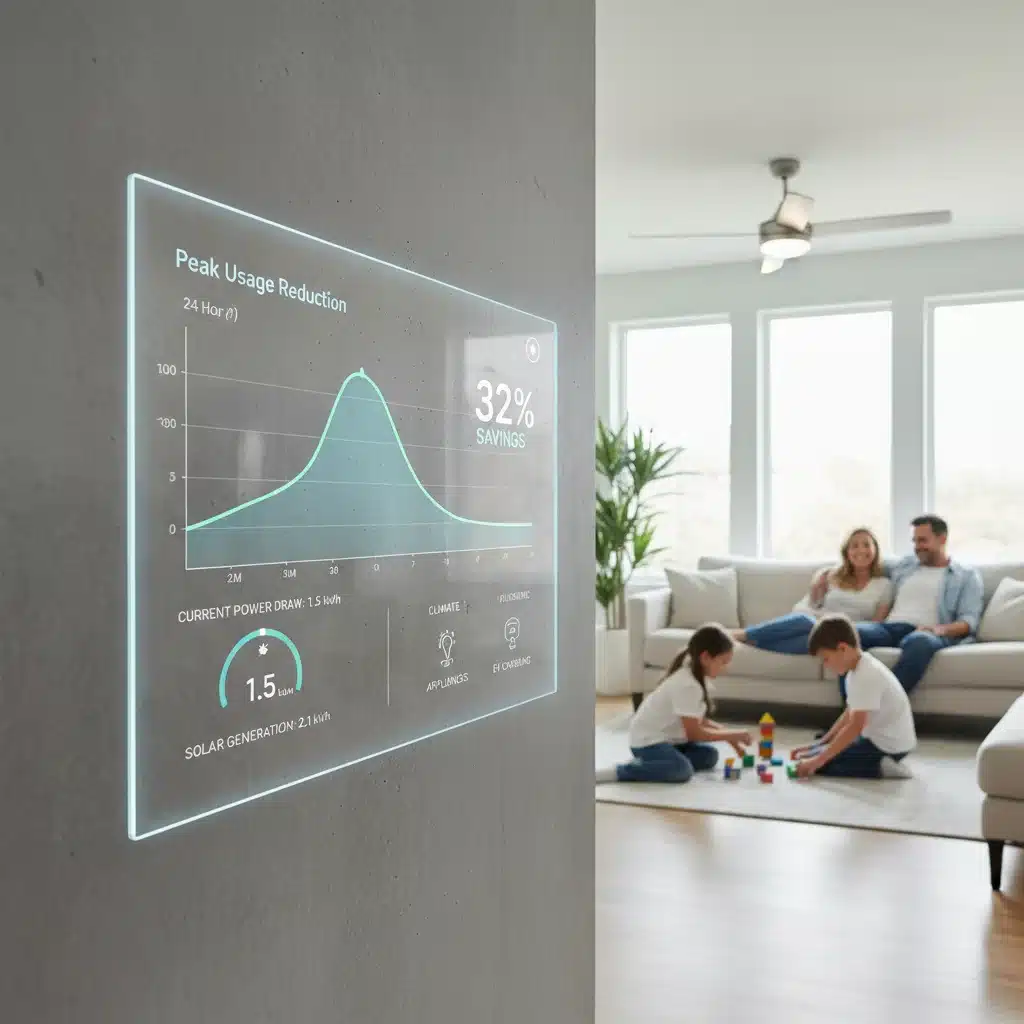
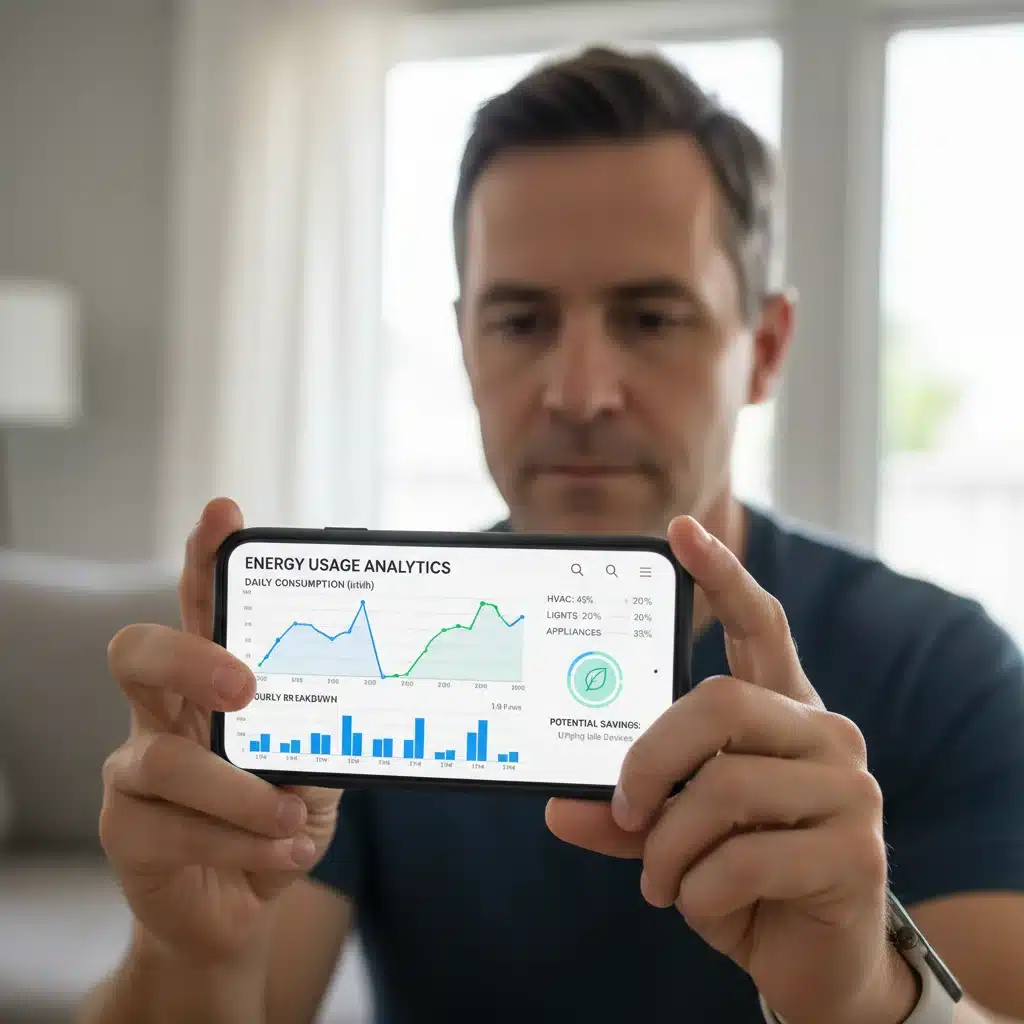
- Software/App: An interface (usually a smartphone app or web portal) that displays the data in an understandable format, often with graphs, charts, and alerts.
The beauty of smart energy monitoring lies in its ability to provide actionable data. Instead of just receiving a monthly bill that tells you how much you spent, you get real-time feedback that shows you *where* your energy is going and *when*. This visibility is the first crucial step towards effective energy management.
Key Features of Smart Energy Monitoring Systems:
- Real-time Data: See your energy consumption as it happens. Turn on an appliance and watch your usage spike.
- Historical Analysis: Review past usage patterns by hour, day, week, or month to identify trends and anomalies.
- Appliance-level Monitoring: Some advanced systems can even identify the energy signature of individual appliances without needing separate sensors for each.
- Alerts and Notifications: Get notified when your usage exceeds a certain threshold or during peak pricing periods.
- Integration with Smart Home Devices: Many systems can integrate with smart thermostats, smart plugs, and other IoT devices for automated energy management.
- Cost Tracking: Estimate your electricity bill in real-time based on your utility’s rates.
Implementing Smart Energy Monitoring: Your Path to 10% Reduction
The journey to cutting your peak usage by 10% this summer begins with choosing and installing the right smart energy monitoring system. There are various options available, ranging from whole-home monitors to plug-in smart meters for individual appliances.
Step 1: Choose Your Smart Energy Monitor
Consider the following types of systems:
- Whole-Home Monitors: These are installed in your electrical panel by a qualified electrician and provide a comprehensive overview of your entire home’s energy consumption. Examples include Sense, Emporia Vue, and Lumin Smart Panel.
- Plug-in Smart Meters: For a more granular approach, smart plugs can monitor the energy consumption of individual appliances plugged into them. These are great for identifying energy hogs.
- Utility-Provided Smart Meters: Many utilities have installed smart meters that send data directly to them. While these offer less granular control than third-party systems, they often come with online portals that display your usage data.
Research different brands, read reviews, and consider your budget and technical comfort level. For a 10% reduction target, a whole-home monitor provides the best foundational data.
Step 2: Install and Calibrate
For whole-home monitors, professional installation is often recommended due to working with your electrical panel. Once installed, follow the manufacturer’s instructions to connect the system to your home Wi-Fi and set up the accompanying app. Calibration might be necessary to ensure accurate readings.
Step 3: Analyze Your Baseline Usage
Once your system is up and running, spend a few days (or even a week) just observing your energy patterns without making any changes. This establishes your baseline. Pay close attention to:
- Peak Hour Spikes: Identify when your energy consumption peaks during the day.
- Appliance Contributions: If your system offers appliance-level monitoring, see which devices are drawing the most power during peak times.
- Phantom Loads: Notice any continuous, low-level power draws from devices even when they appear ‘off’.
Strategies to Cut Peak Usage by 10% This Summer
Now that you have the data from your smart energy monitoring system, it’s time to implement strategies. A 10% reduction is achievable with a combination of behavioral changes and smart technology utilization.
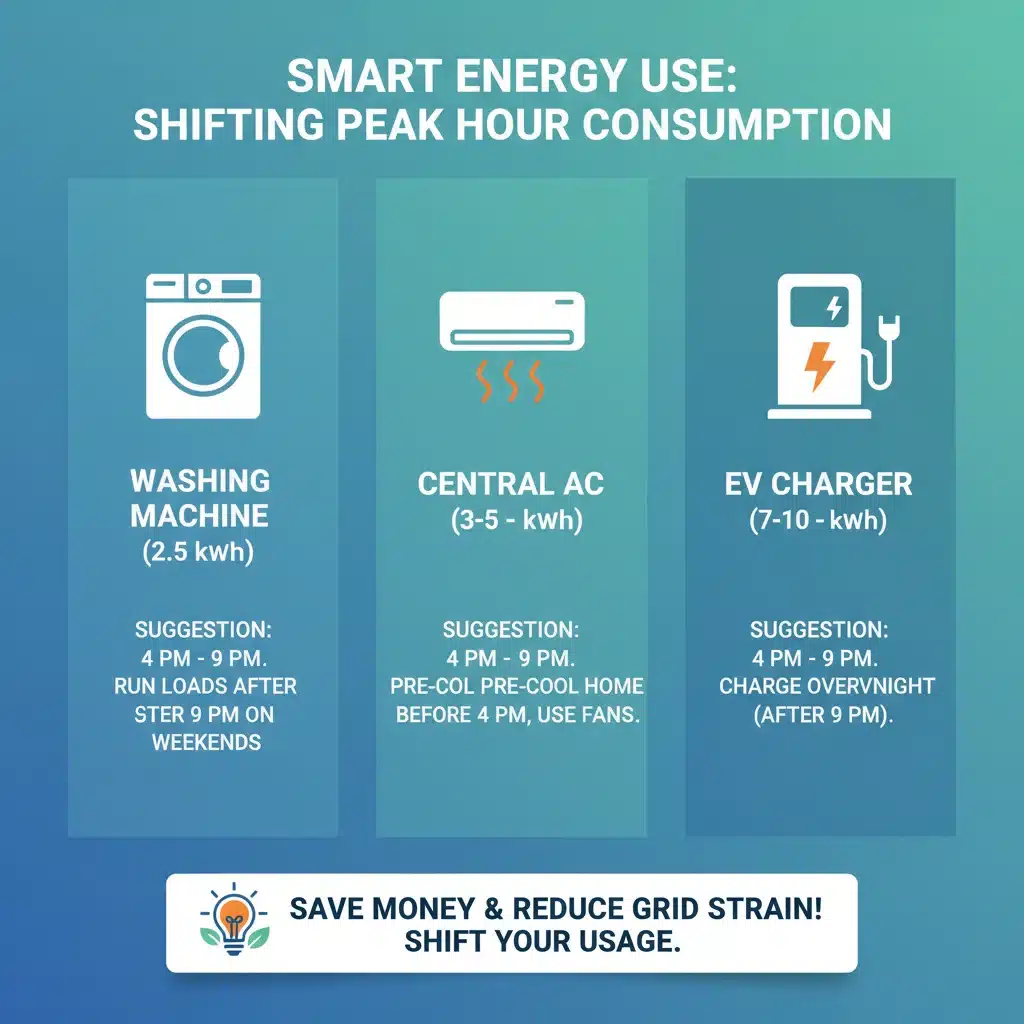
Strategy 1: Shift High-Energy Tasks to Off-Peak Hours
This is arguably the most impactful strategy for TOU customers. Your monitoring system will clearly show you when peak hours begin and end. Schedule these activities outside those windows:
- Laundry: Run washing machines and dryers late at night or early in the morning.
- Dishwasher: Start your dishwasher after peak hours, perhaps before bed.
- Electric Vehicle Charging: Charge your EV overnight when rates are lowest.
- Pool Pumps: Program pool pumps to run during off-peak times.
- Major Cooking: If possible, use microwaves or prepare meals that require less oven time during peak hours.
Strategy 2: Optimize Your Air Conditioning Usage
Air conditioning is typically the biggest energy hog in summer. Here’s how to manage it smartly:
- Pre-Cooling: Cool your home slightly below your comfortable temperature *before* peak hours begin. Your well-insulated home will then stay cooler during peak times, allowing you to raise the thermostat setting or even turn off the AC for a while.
- Smart Thermostats: Integrate your smart energy monitoring with a smart thermostat. These devices learn your preferences and can automatically adjust temperatures based on occupancy, weather forecasts, and peak pricing signals from your utility.
- Raise Setpoint: During peak hours, raise your thermostat by a few degrees (e.g., from 72°F to 75°F). Even a small adjustment can yield significant savings.
- Zone Cooling: If you have multiple AC units or a zoned system, only cool the rooms you are actively using.
- Maintenance: Ensure your AC unit is well-maintained, with clean filters, for optimal efficiency.
Strategy 3: Tackle Phantom Loads (Vampire Power)
Many electronics consume power even when turned off or in standby mode. Your smart energy monitoring system can help you identify these culprits. Examples include:
- TVs and cable boxes
- Gaming consoles
- Computer monitors and chargers
- Coffee makers with clocks
Solutions:
- Unplug: Simply unplug devices not in use.
- Smart Power Strips: Use smart power strips that cut power to devices when they are off or in standby.
- Smart Plugs: Program smart plugs to turn off power to specific devices during peak hours or when you’re away.
Strategy 4: Utilize Natural Cooling and Shading
While not directly tied to smart energy monitoring, these passive strategies complement your efforts:
- Blinds and Curtains: Close blinds and curtains on sun-facing windows during the day to block heat.
- Ceiling Fans: Use ceiling fans to create a wind-chill effect, allowing you to set your thermostat higher. Remember to turn them off when you leave the room.
- Strategic Ventilation: Open windows at night to let in cooler air, and close them in the morning to trap the cool air inside.
Strategy 5: Upgrade Inefficient Appliances (Long-Term)
Your smart energy monitoring data might reveal that an old refrigerator or freezer is consuming an exorbitant amount of power. While an immediate replacement might not be feasible, this data provides valuable insight for future purchasing decisions. Look for ENERGY STAR certified appliances, especially for major items like refrigerators, dishwashers, and washing machines.
Beyond the 10%: Continuous Optimization with Smart Monitoring
Achieving a 10% reduction in peak usage is a fantastic starting point, but smart energy monitoring is a tool for continuous improvement. The data it provides allows you to refine your habits and uncover new opportunities for savings.
Regular Review and Adjustment
Make it a habit to review your energy reports weekly or monthly. Look for patterns: Did your usage spike on a particular day? What appliances were running? Did a new habit (like charging your phone in a different room) affect your overall consumption? Use these insights to adjust your strategies.
Setting Goals and Tracking Progress
Many smart energy monitoring apps allow you to set daily or monthly energy consumption goals. Use these features to gamify your energy-saving efforts. Tracking your progress is incredibly motivating and helps reinforce positive behaviors.
Engaging the Household
Share your energy monitoring data with your family. When everyone understands the financial and environmental benefits, and can see the impact of their actions in real-time, it creates a collective effort towards energy efficiency. Education is a powerful tool.
Case Studies and Real-World Impact
The effectiveness of smart energy monitoring is not just theoretical. Numerous studies and real-world examples demonstrate its power:
- Residential Pilot Programs: Utilities across the globe have implemented pilot programs where participants receive smart energy monitors. These programs consistently report average energy savings of 5-15%, with some highly engaged households achieving even more significant reductions.
- Behavioral Change: Research from organizations like the Environmental Protection Agency (EPA) shows that simply providing real-time energy feedback can reduce household energy consumption by 4-12% due to increased awareness and behavioral changes.
- Peak Demand Reduction: In areas with critical grid stability issues, smart monitoring combined with demand-response programs has enabled communities to collectively reduce peak loads, preventing brownouts and blackouts during extreme weather events.
These examples underscore that a 10% reduction in peak usage is not only attainable but a common outcome for those who actively engage with their smart energy monitoring systems.
Choosing the Right Smart Energy Monitoring System for You
With several options on the market, selecting the best system can feel daunting. Here are some factors to consider:
- Installation Complexity: Are you comfortable with a DIY plug-and-play device, or do you prefer professional installation for a whole-home solution?
- Data Granularity: Do you need to know the energy consumption of individual appliances, or is a whole-home overview sufficient?
- Integration: Does the system integrate with your existing smart home ecosystem (e.g., Google Home, Amazon Alexa, Apple HomeKit) or other smart devices like thermostats?
- Cost: Systems range from under $100 for basic plug monitors to several hundred dollars for advanced whole-home solutions. Consider the potential savings against the initial investment.
- Subscription Fees: Some platforms offer enhanced features or data retention for a monthly fee.
- User Interface: Is the app or web portal intuitive and easy to understand? Clear data visualization is key to making informed decisions.
- Utility Compatibility: Check if your local utility offers any rebates or incentives for installing smart energy monitoring devices or if their smart meter data can be integrated.
Popular Smart Energy Monitoring Systems:
- Sense Energy Monitor: A leading whole-home monitor that uses machine learning to identify individual appliances. Offers detailed real-time and historical data.
- Emporia Vue: A more budget-friendly whole-home monitor that also provides circuit-level monitoring.
- Lumin Smart Panel: A sophisticated solution that replaces your existing electrical panel with smart circuit breakers, offering unparalleled control and monitoring.
- Currant Smart Outlets: Smart plugs that monitor individual appliance usage and can be controlled remotely.
Each system has its strengths. The best choice depends on your specific needs, comfort level with technology, and budget. Regardless of your choice, the investment in smart energy monitoring is an investment in significant long-term savings and increased energy awareness.
Final Thoughts: A Call to Action This Summer
The summer heat is here, and with it, the challenge of managing rising electricity costs and peak demand. Smart energy monitoring offers a powerful, data-driven solution that puts you in control. By understanding your energy consumption in real-time, identifying peak usage patterns, and implementing targeted strategies, you can realistically aim to cut your peak energy usage by 10% or more this summer.
This isn’t just about personal savings; it’s about contributing to a more resilient, efficient, and sustainable energy future for everyone. Take advantage of this time-sensitive opportunity. Invest in smart energy monitoring today, empower yourself with knowledge, and transform your home into an energy-efficient haven. Your wallet and the planet will thank you.