2026 Smart Home Device Lifespan: Maximize Your Tech Investment
Anuncios
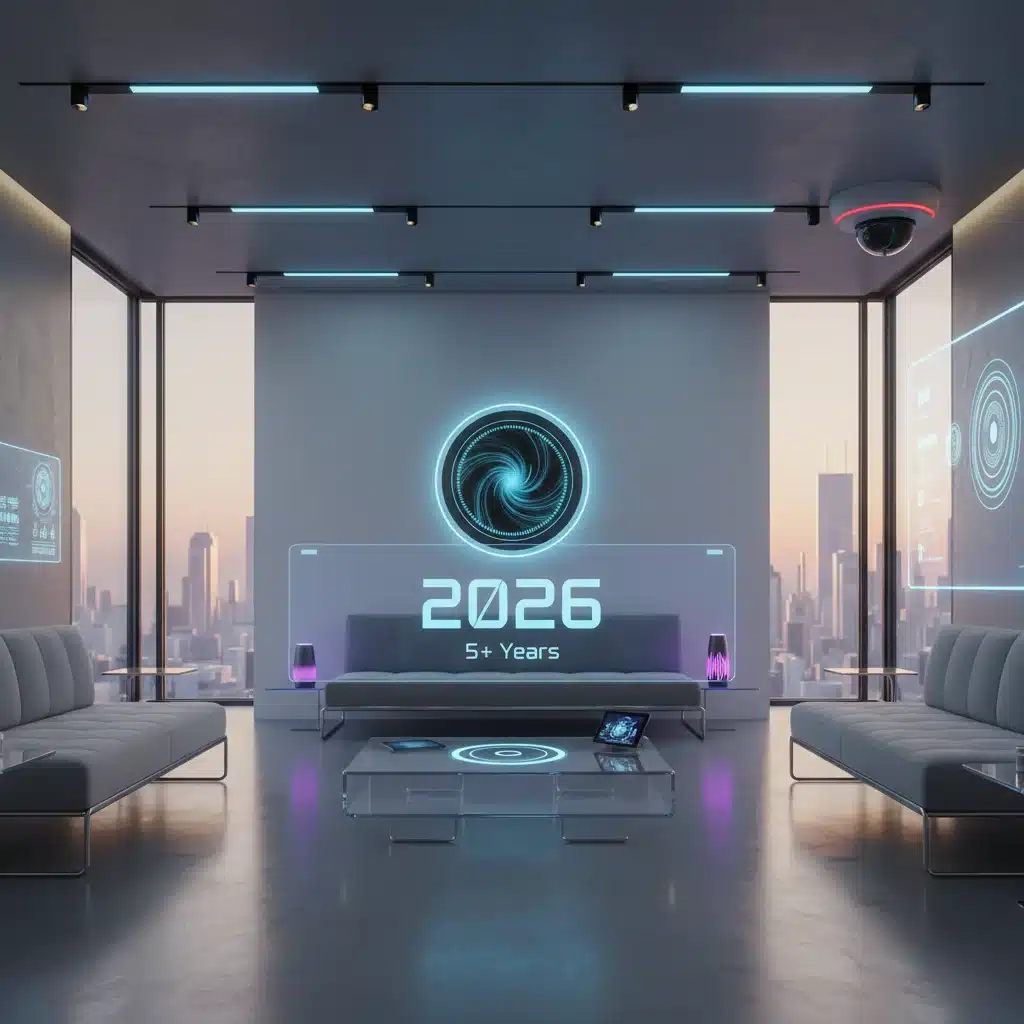
The 2026 Smart Home Device Lifespan Report: Maximize Your Tech Investment for 5+ Years
Welcome to the era of intelligent living, where our homes are increasingly intertwined with technology. Smart home devices, from voice assistants to automated lighting and security systems, promise unparalleled convenience, efficiency, and peace of mind. As we move further into 2026, the market for these devices continues to expand, offering more sophisticated and integrated solutions. However, a crucial question often arises for consumers and tech enthusiasts alike: what is the smart home device lifespan, and how can we ensure our investments stand the test of time?
Anuncios
This comprehensive report delves into the expected longevity of various smart home devices in 2026, providing insights into factors that influence their durability and offering practical strategies to maximize your tech investment. Understanding the typical lifespan of these gadgets is vital not just for budgeting, but also for making informed purchasing decisions, planning upgrades, and minimizing electronic waste. Our goal is to equip you with the knowledge to make your smart home truly sustainable and long-lasting.
Understanding the Smart Home Device Lifespan Landscape in 2026
The concept of a ‘smart home’ has evolved rapidly. What once seemed like science fiction is now commonplace, with devices seamlessly communicating to create an optimized living environment. But unlike traditional appliances with clear depreciation timelines, the lifespan of smart home devices is influenced by a unique blend of hardware durability, software support, and evolving technological standards. In 2026, we see a more mature market, but also one with continuous innovation.
Anuncios
Factors Influencing Smart Home Lifespan
- Hardware Quality: The physical components, from circuit boards to sensors, play a significant role. Premium brands often use higher-grade materials, leading to better durability.
- Software Updates and Support: This is perhaps the most critical factor for smart devices. Regular software updates are essential for security, functionality, and compatibility with new standards. Devices that cease to receive updates can quickly become obsolete, even if their hardware is still functional.
- Battery Life: For battery-powered devices (e.g., smart door locks, sensors), the battery’s longevity and ease of replacement are crucial.
- Connectivity Standards: The shift from older Wi-Fi or Bluetooth versions to newer, more robust protocols like Wi-Fi 6E, Matter, or Thread can impact a device’s long-term relevance.
- Environmental Conditions: Exposure to extreme temperatures, humidity, or dust can shorten the lifespan of any electronic device, smart home gadgets included.
- Usage Patterns: Devices that are constantly active or undergo frequent physical interaction (e.g., smart switches) might wear out faster than passive sensors.
- Manufacturer’s Reputation and Warranty: A company’s commitment to long-term support and a solid warranty can be indicative of a device’s expected lifespan.
In 2026, manufacturers are increasingly focusing on modular design and open standards to promote greater interoperability and extend the useful life of their products. This is a positive trend for consumers looking to maximize their smart home lifespan.
Expected Lifespan of Key Smart Home Devices (2026 Projections)
Let’s break down the typical lifespan for some of the most popular smart home categories. These are general projections, and individual device longevity can vary.
Smart Hubs and Controllers: 5-8 Years
These are the brains of your smart home. Devices like Amazon Echo, Google Nest Hub, Apple HomePod, or dedicated smart home hubs (e.g., SmartThings, Hubitat) are designed for continuous operation. Their lifespan is primarily dictated by software support and the ability to adapt to new communication protocols. A well-maintained hub, receiving regular updates, can easily last 5-8 years, sometimes even longer. The main reason for replacement is often the desire for newer features or faster processing.
Smart Lighting (Bulbs and Switches): 3-7 Years (Bulbs), 7-10+ Years (Switches)
Smart bulbs, especially LED-based ones, have a long operational life in terms of light output (often rated for 15,000-25,000 hours, equating to many years of typical use). However, the smart components (Wi-Fi/Bluetooth modules) can sometimes fail sooner, or become incompatible with newer systems. Expect smart bulbs to function optimally for 3-7 years before potential connectivity issues arise or you desire brighter, more efficient models. Smart switches, being more robust and less prone to thermal stress than bulbs, tend to last longer, often 7-10 years or more, as long as their wireless modules remain supported.
Smart Thermostats: 7-10 Years
Smart thermostats like Nest or Ecobee are generally built to last. They have minimal moving parts and are often professionally installed. Their longevity is largely tied to the quality of their internal components and the continued provision of software updates. Expect a solid 7-10 years of reliable service. Replacement usually occurs due to aesthetic upgrades, desire for new features, or compatibility issues with new HVAC systems.
Smart Security Cameras (Indoor/Outdoor): 3-6 Years
Security cameras face varying challenges. Outdoor cameras are exposed to the elements, which can shorten their lifespan. Indoor cameras are less susceptible but still rely heavily on software support for features like motion detection, cloud storage, and remote viewing. Battery-powered cameras may also see battery degradation over time. On average, expect 3-6 years. The rapid advancements in image quality, AI detection, and privacy features often drive upgrades before hardware failure, impacting the effective smart home lifespan of these devices.
Smart Door Locks: 5-8 Years
Smart door locks combine mechanical and electronic components. The mechanical parts are often very durable, similar to traditional locks. The electronic components (keypads, wireless modules, battery systems) are the main points of potential failure or obsolescence. With good maintenance and timely battery replacements, these can last 5-8 years. Security updates are crucial for these devices, so ensure the manufacturer has a strong track record of support.
Smart Plugs and Outlets: 5-8 Years
Simple and robust, smart plugs and outlets have a relatively long lifespan. They mostly consist of a relay and a wireless module. Barring electrical surges or physical damage, these can easily last 5-8 years or more. Their simplicity means they are less likely to suffer from software obsolescence compared to more complex devices, contributing positively to the overall smart home lifespan.
Smart Sensors (Motion, Door/Window, Leak): 3-7 Years
These small, often battery-powered devices are generally quite durable. Their lifespan is primarily limited by battery life (which can often be several years for low-power devices) and the availability of replacement parts or software compatibility. Expect 3-7 years, with battery replacement being a common maintenance task. 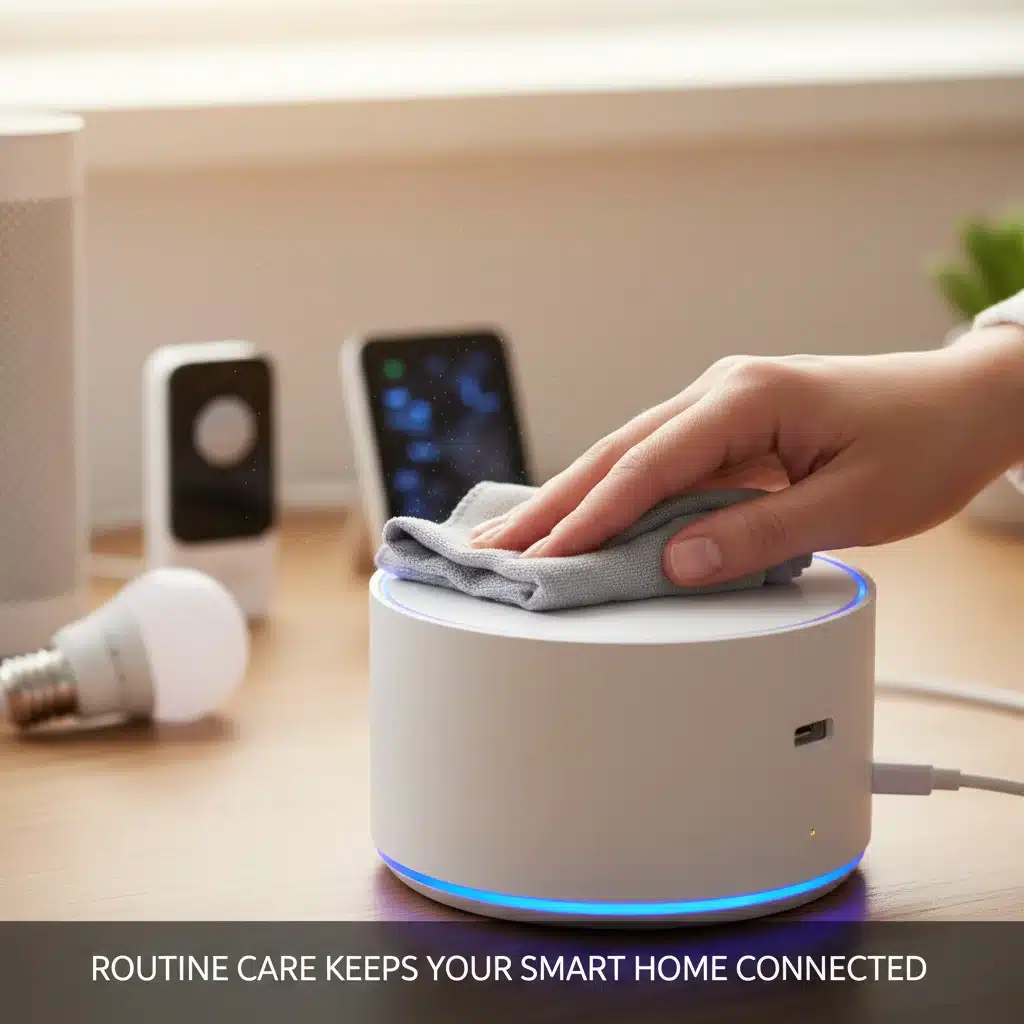
Maximizing Your Smart Home Investment: Strategies for Extended Lifespan
Extending the smart home lifespan of your devices isn’t just about saving money; it’s also about reducing electronic waste and ensuring a stable, reliable smart home ecosystem. Here are actionable strategies:
1. Prioritize Quality Over Price
While budget-friendly options are tempting, investing in devices from reputable brands with a track record of quality and customer support often pays off in the long run. Higher quality hardware and consistent software updates are hallmarks of longevity.
2. Regular Software and Firmware Updates
This is paramount. Always enable automatic updates if available, or regularly check for and install updates manually. Updates not only introduce new features but also patch security vulnerabilities and improve device stability and compatibility, directly impacting your smart home lifespan.
3. Proper Installation and Environment
Follow installation instructions diligently. Ensure outdoor devices are rated for outdoor use and protected from extreme weather. Avoid placing indoor devices in areas with excessive heat, cold, or humidity. Proper ventilation for hubs and other heat-generating devices is also important.
4. Routine Maintenance and Cleaning
Dust is the enemy of electronics. Regularly clean vents, sensors, and camera lenses. For devices with batteries, replace them proactively when low, rather than waiting for them to die completely. Check for loose connections or damaged cables.
5. Understand Battery Management
For battery-powered devices, use high-quality batteries. If a device has a rechargeable battery, follow the manufacturer’s recommendations for charging cycles to prolong its life. Some devices might offer settings to optimize battery usage.
6. Strategic Upgrades vs. Full Replacement
Sometimes, a component upgrade is sufficient. For instance, if your smart lighting system is outdated, you might only need to replace the bulbs, not the entire switch. Consider whether a new feature is truly essential or if your current setup still meets your needs.
7. Embrace Open Standards and Interoperability
As the smart home industry matures, open standards like Matter and Thread are becoming increasingly important. Devices that support these standards are more likely to be compatible with future ecosystems and less prone to obsolescence due to proprietary system changes. When purchasing new devices, prioritize those that adhere to these universal communication protocols.
8. Data Backup and Cloud Services Management
While not directly related to hardware lifespan, ensuring your smart home data (e.g., security footage, custom routines) is backed up or managed effectively in the cloud can save significant headaches if a device does fail. Understand the cloud storage policies and subscription models of your devices.
9. Consider a Modular Approach
Instead of buying an all-in-one smart home system that might be harder to upgrade, consider a modular approach where you can swap out individual components as needed. This significantly extends the overall smart home lifespan of your setup.
The Role of Manufacturers in Smart Home Device Lifespan
Manufacturers bear a significant responsibility in determining the smart home lifespan of their products. In 2026, we are seeing a growing trend towards:
- Extended Software Support: Companies are starting to commit to longer periods of software and security updates, understanding that this is a major consumer concern.
- Repairability: Some manufacturers are making efforts to design devices that are easier to repair, offering spare parts and repair guides. This contrasts with the ‘throwaway’ culture that often characterizes consumer electronics.
- Recycling Programs: Responsible disposal options are becoming more common, helping to mitigate the environmental impact of device obsolescence.
- Transparency: More manufacturers are being upfront about their expected product lifespans and support timelines, allowing consumers to make more informed choices.
As consumers, our purchasing decisions can influence these trends. Supporting companies that prioritize longevity and sustainability can encourage the industry to move in a more responsible direction.
Future-Proofing Your Smart Home for Beyond 2026
Future-proofing your smart home goes beyond simply extending the life of individual devices; it involves creating an ecosystem that can adapt to future technological advancements. Here’s how:
1. Invest in a Robust Network Infrastructure
A strong and reliable home network (router, Wi-Fi extenders/mesh system) is the backbone of any smart home. Ensure your network can handle the increasing number of connected devices and supports the latest Wi-Fi standards. This foundational element is critical for the effective smart home lifespan of all your connected gadgets.
2. Embrace Interoperability Standards (Matter, Thread)
The advent of Matter and Thread is a game-changer. These open standards aim to create a truly unified smart home experience, allowing devices from different brands to communicate seamlessly. Prioritizing devices compatible with these standards will ensure your smart home remains relevant and functional for years to come, regardless of specific brand ecosystems. 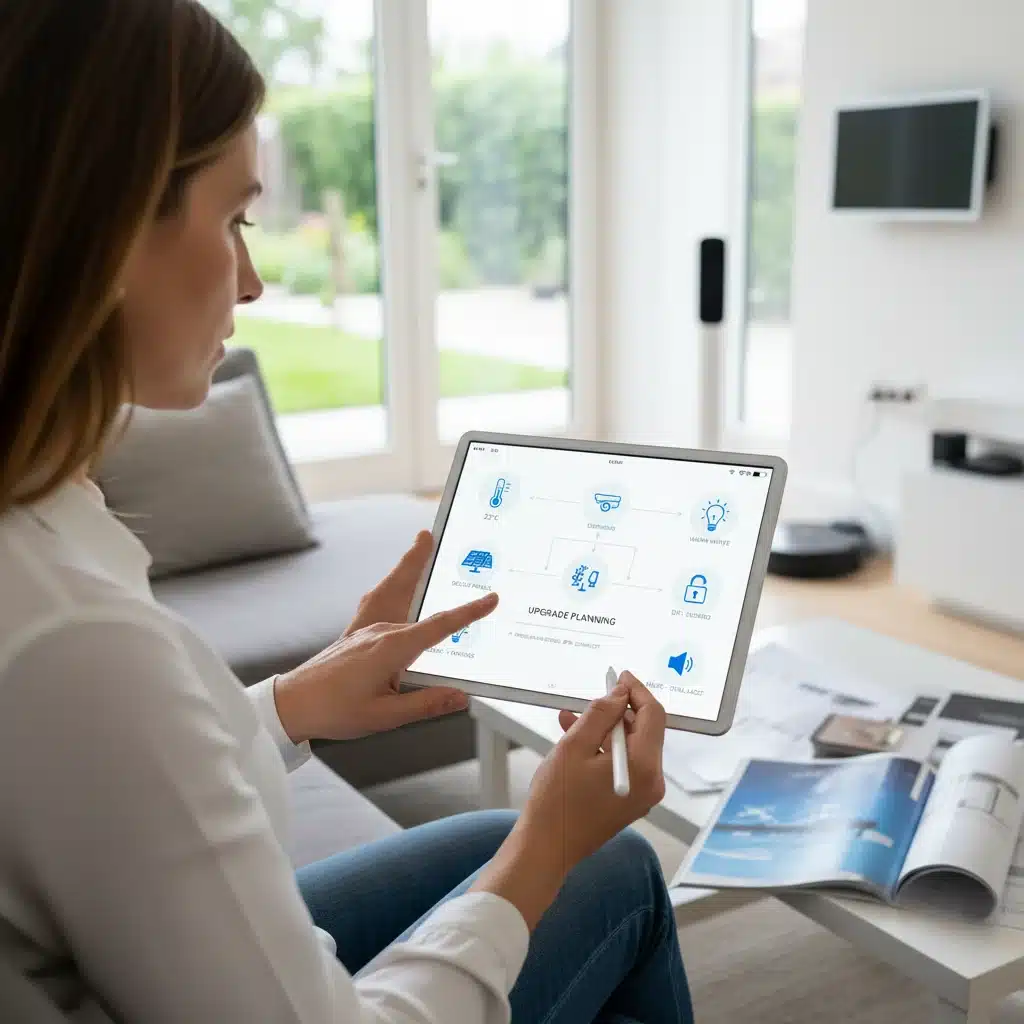
3. Cloud vs. Local Control
Consider devices that offer local control options in addition to cloud-based services. Local control means your devices can still function even if your internet goes down or a manufacturer’s cloud service is discontinued. This adds a layer of resilience to your smart home and extends its practical smart home lifespan.
4. Modular Design and Scalability
Choose systems that allow you to add or replace individual components without overhauling the entire setup. For example, a smart lighting system that uses standard E26/E27 sockets for bulbs allows you to upgrade bulbs independently of the fixtures.
5. Stay Informed About Tech Trends
Keep an eye on emerging technologies and industry news. While you don’t need to adopt every new gadget, understanding the direction of smart home technology can help you make more strategic purchasing and upgrade decisions. This proactive approach helps in maintaining a long smart home lifespan for your entire setup.
The Environmental Impact of Smart Home Device Lifespan
The discussion around smart home lifespan isn’t complete without addressing its environmental implications. The rapid pace of technological innovation can lead to frequent upgrades, contributing to a growing problem of electronic waste (e-waste). Extending the life of your devices directly combats this issue.
When devices are designed for longevity, repairability, and software support, it reduces the demand for new products, conserving resources and energy used in manufacturing. Furthermore, proper recycling of old devices is crucial. Many electronics contain valuable materials that can be reclaimed, and hazardous substances that must be disposed of responsibly. By being mindful of the smart home lifespan and engaging in responsible consumption, we can collectively reduce our environmental footprint.
Conclusion: A Sustainable and Long-Lasting Smart Home
The 2026 landscape for smart home devices presents both exciting opportunities and important considerations regarding longevity. While the average smart home lifespan for individual devices can range from 3 to 10+ years, proactive measures can significantly extend their utility and value.
By prioritizing quality, staying diligent with software updates, practicing routine maintenance, and making informed decisions about interoperability and future-proofing, you can ensure your smart home remains functional, secure, and relevant for many years to come. Investing wisely in your smart home is not just about convenience; it’s about creating a sustainable, efficient, and long-lasting living environment that truly maximizes your tech investment. As technology continues to evolve, our ability to manage and sustain these intelligent ecosystems will define the future of our homes.
Remember, a smart home is an ongoing project, not a one-time purchase. With the right approach, your smart home in 2026 and beyond will continue to serve you well, adapting and growing with your needs.