Personalized Air Quality: Smart Purifiers for Indoor Health & Allergy Relief
Anuncios
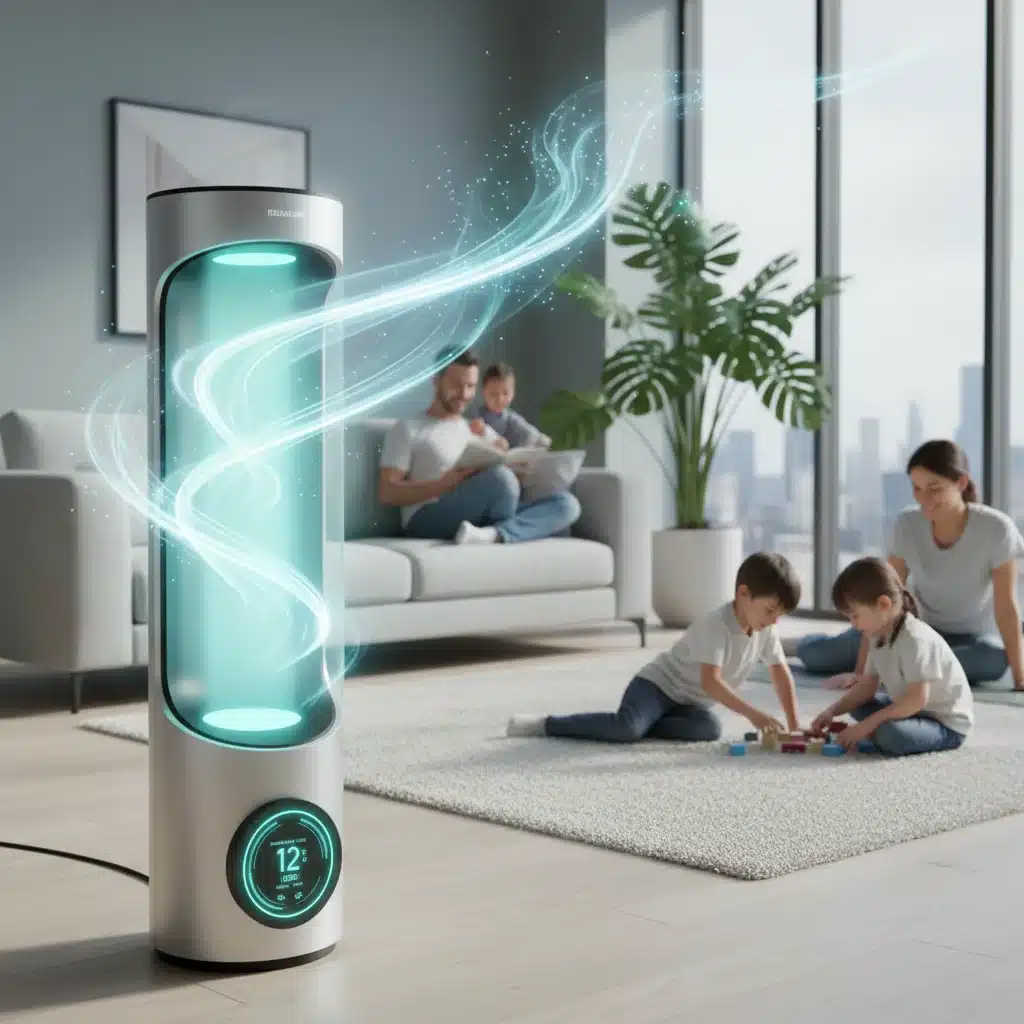
In an era where personal well-being is paramount, the quality of the air we breathe indoors has become a critical concern. With people spending up to 90% of their time inside, the unseen world of indoor air pollutants, from dust mites and pet dander to volatile organic compounds (VOCs) and seasonal allergens, can significantly impact health. The good news? Advancements in technology have introduced a powerful ally in the fight for cleaner air: smart air purifiers. These intelligent devices are not just filters; they are sophisticated systems designed to provide personalized air quality management, promising to improve indoor health by as much as 40% and effectively combat seasonal allergies.
This comprehensive guide delves into the transformative power of smart air purifiers, exploring how they work, the benefits they offer, and what to consider when choosing one for your home. We’ll uncover the science behind their effectiveness, examine their role in alleviating allergy symptoms, and look at how they integrate seamlessly into modern smart home ecosystems. Prepare to breathe easier as we unlock the secrets to truly personalized air quality.
Anuncios
The Silent Threat: Understanding Indoor Air Pollution
Before we explore the solutions, it’s essential to understand the problem. Indoor air can be two to five times, and sometimes even 100 times, more polluted than outdoor air. This staggering fact is due to a combination of factors, including modern airtight building construction, a plethora of indoor pollutant sources, and inadequate ventilation. Common indoor air pollutants include:
- Particulate Matter (PM2.5 and PM10): Tiny airborne particles from dust, pollen, pet dander, smoke, and combustion sources (e.g., cooking, candles). These can penetrate deep into the lungs and even enter the bloodstream.
- Volatile Organic Compounds (VOCs): Gases emitted from certain solids or liquids, such as paints, cleaning supplies, air fresheners, furniture, and building materials. Exposure can cause short-term health effects like headaches and nausea, and long-term effects including liver and kidney damage, and cancer.
- Allergens: Pollen, dust mites, mold spores, and pet dander are common triggers for seasonal allergies and asthma, causing symptoms like sneezing, coughing, itchy eyes, and difficulty breathing.
- Bacteria and Viruses: Airborne pathogens that contribute to the spread of illness, especially in enclosed spaces.
- Carbon Monoxide (CO) and Radon: Odorless, colorless gases that can be deadly at high concentrations.
The cumulative effect of these pollutants can lead to a range of health issues, from minor irritations to chronic respiratory conditions and other serious illnesses. For individuals with allergies, asthma, or compromised immune systems, poor indoor air quality can significantly exacerbate symptoms and reduce quality of life. This is where the intervention of smart air purifiers becomes not just beneficial, but often crucial.
Anuncios
What Makes Air Purifiers ‘Smart’? Beyond Basic Filtration
Traditional air purifiers have been a staple for improving indoor air, primarily relying on mechanical filtration. While effective, they often operate on a fixed schedule or manual settings, lacking the adaptability to respond to real-time changes in air quality. Smart air purifiers, however, elevate air purification to an entirely new level through integration with advanced sensors, connectivity, and artificial intelligence.
Here’s what makes an air purifier ‘smart’:
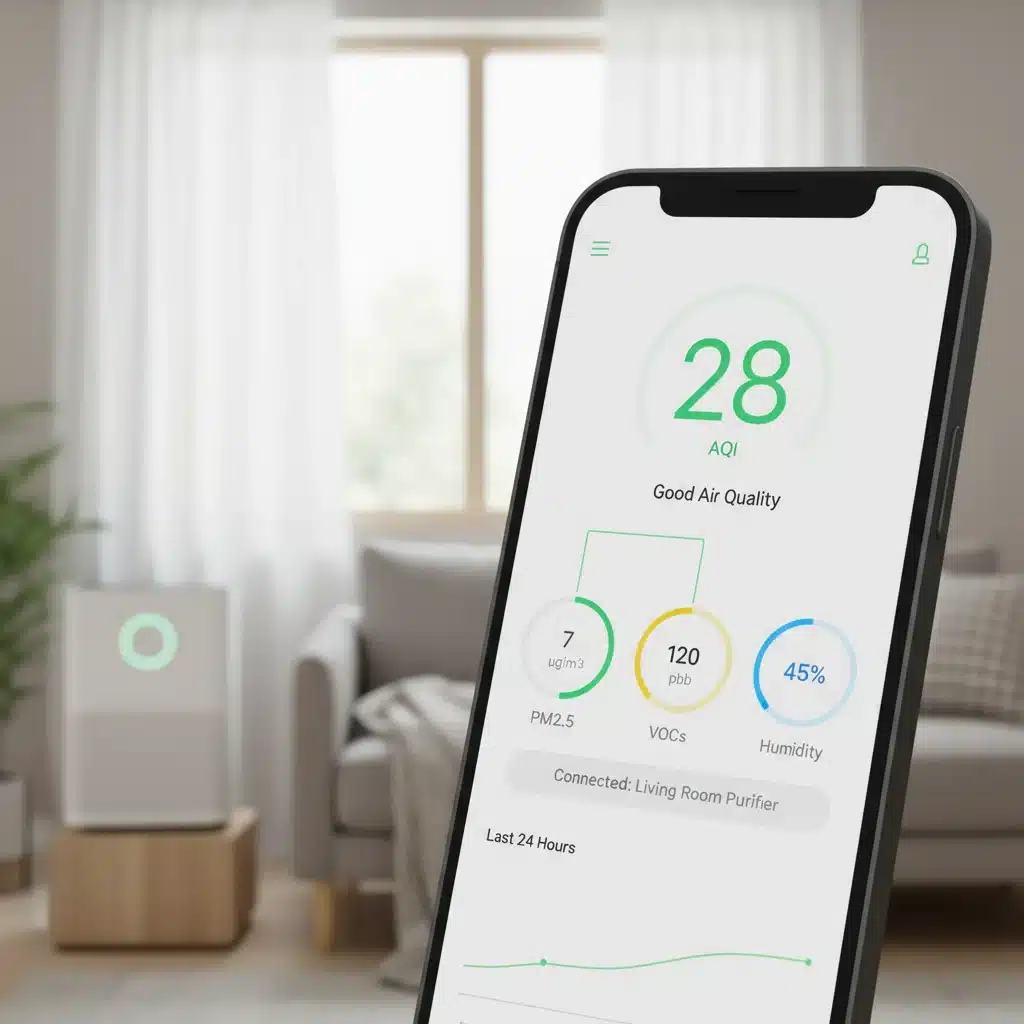
- Real-time Air Quality Monitoring: Equipped with sophisticated sensors, smart purifiers continuously monitor the air for various pollutants, including PM2.5, VOCs, humidity, and temperature. This data is often displayed on the device itself and accessible via a smartphone app.
- Automatic Adjustment: Based on the real-time data, smart air purifiers can automatically adjust their fan speed and filtration intensity to effectively tackle detected pollutants. This ensures optimal performance without constant manual intervention.
- Remote Control and Scheduling: Users can control their purifier from anywhere using a smartphone app. This includes turning it on/off, changing settings, monitoring filter life, and setting schedules for operation, allowing for purification even when you’re not home.
- Integration with Smart Home Ecosystems: Many smart purifiers can connect with voice assistants like Amazon Alexa or Google Assistant, as well as other smart home devices, creating a more integrated and automated home environment.
- Personalized Insights and Reporting: The accompanying apps often provide historical data on air quality, offering insights into pollution trends in your home and helping you identify potential sources.
- Geofencing: Some advanced models offer geofencing capabilities, meaning the purifier can automatically turn on or off as you enter or leave your home.
The ‘smart’ aspect transforms a passive device into an active participant in maintaining a healthy indoor environment, offering unparalleled convenience and efficiency in managing your personal air quality.
The Core Technology: How Smart Air Purifiers Clean Your Air
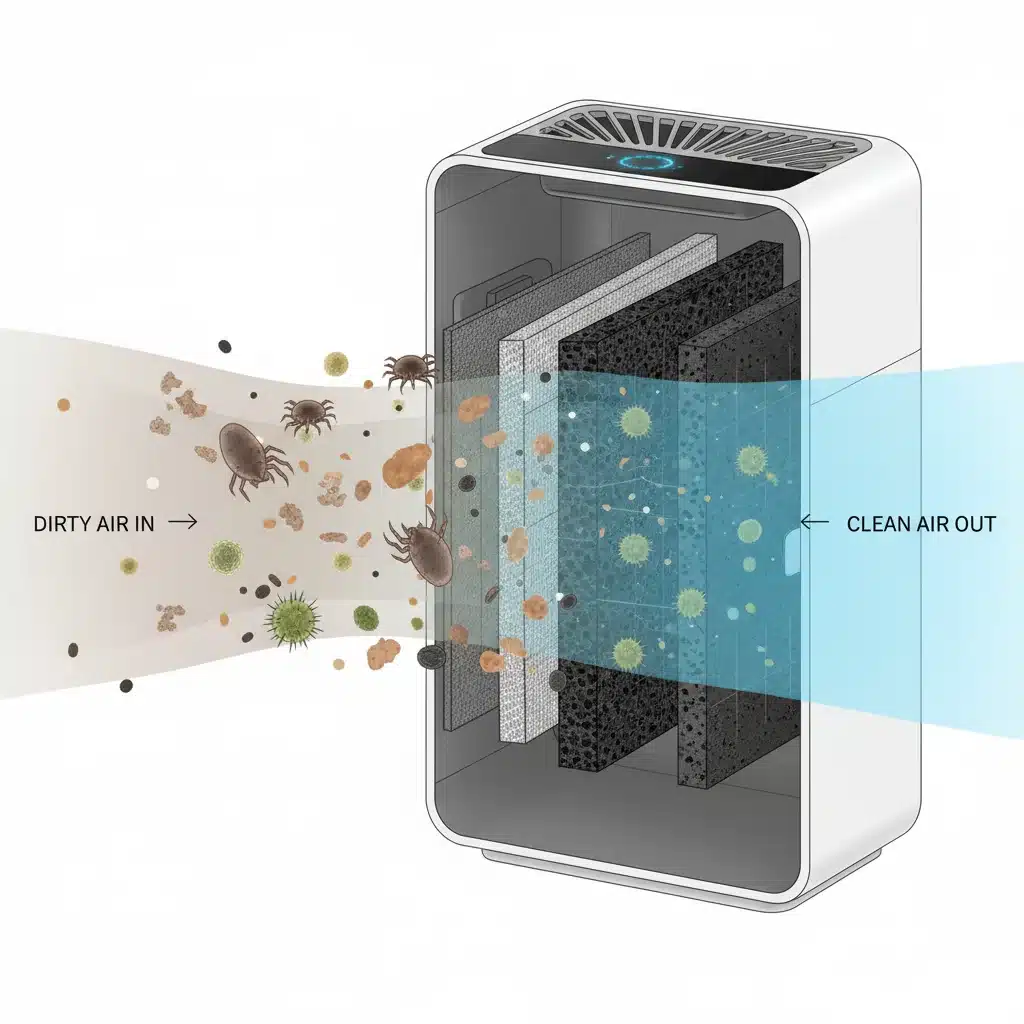
While the ‘smart’ features provide convenience and intelligence, the fundamental task of cleaning the air relies on robust filtration technology. Smart air purifiers typically employ a multi-stage filtration system to capture a wide range of pollutants:
- Pre-filter: The first line of defense, capturing larger particles like dust, hair, and pet dander. This protects subsequent filters and extends their lifespan.
- HEPA Filter: High-Efficiency Particulate Air (HEPA) filters are the cornerstone of effective air purification. True HEPA filters are capable of capturing at least 99.97% of airborne particles 0.3 microns in size, including pollen, dust mites, mold spores, and pet dander. This is crucial for allergy and asthma sufferers.
- Activated Carbon Filter: This filter is designed to absorb gases, odors, and VOCs. It’s highly effective against smoke, cooking odors, pet smells, and chemical fumes from cleaning products or new furniture.
- Additional Technologies (Optional): Some smart air purifiers may include other purification methods such as UV-C light (to kill bacteria and viruses), ionizers (to clump particles together for easier filtration), or photocatalytic oxidation (PCO) (to break down VOCs). It’s important to research these additional technologies, as some, like certain types of ionizers, can produce ozone, which is an irritant.
The combination of these filters, orchestrated by intelligent sensors and control systems, allows smart air purifiers to deliver comprehensive air purification, targeting both particulate matter and gaseous pollutants with remarkable efficiency.
Boosting Indoor Health by 40%: The Tangible Benefits
The promise of improving indoor health by 40% is not an exaggeration. Regular use of a high-quality smart air purifier can lead to significant improvements in various aspects of health and well-being:
- Reduced Allergy Symptoms: By consistently removing allergens like pollen, dust mites, and pet dander from the air, smart purifiers can drastically reduce the frequency and severity of allergy symptoms such as sneezing, runny nose, itchy eyes, and congestion. This is particularly beneficial during peak allergy seasons.
- Asthma Management: For asthma sufferers, airborne triggers can lead to severe attacks. A smart purifier minimizes these triggers, creating a safer breathing environment and potentially reducing the reliance on rescue inhalers.
- Better Sleep Quality: A cleaner, allergen-free bedroom environment can lead to less nighttime congestion and coughing, promoting deeper and more restorative sleep.
- Protection Against Respiratory Illnesses: By filtering out airborne bacteria and viruses, smart purifiers can help reduce the transmission of colds, flu, and other respiratory infections within the home.
- Elimination of Odors: Activated carbon filters effectively neutralize unpleasant odors from cooking, pets, smoke, and household chemicals, leaving your home smelling fresh and clean.
- Reduced Exposure to VOCs: Minimizing exposure to harmful VOCs contributes to better overall long-term health, reducing risks of various chronic conditions.
- Enhanced Cognitive Function: Studies suggest that better air quality can improve concentration, cognitive performance, and overall mental clarity by reducing the burden on the respiratory and immune systems.
These benefits collectively contribute to a healthier living space, allowing occupants to experience a measurable improvement in their physical comfort and long-term health prospects.
Combating Seasonal Allergies Effectively with Smart Purifiers
Seasonal allergies, often triggered by pollen from trees, grasses, and weeds, can turn beautiful spring and fall days into a misery for millions. While outdoor exposure is inevitable, smart air purifiers offer a powerful defense within your home, which is often a sanctuary from outdoor allergens. Here’s how they specifically help combat seasonal allergies:
- Targeted Pollen Removal: HEPA filters are incredibly efficient at capturing pollen particles, which typically range from 10 to 100 microns, well within the capture capabilities of these filters. When pollen inevitably enters your home through open windows or on clothing, a smart purifier quickly detects and removes it.
- Proactive Purification: With smart features, you can schedule your purifier to run intensely during peak pollen counts or even integrate it with local weather data to anticipate and respond to high allergen days.
- Continuous Monitoring: The real-time air quality sensors in smart air purifiers can detect increases in particulate matter (often indicative of pollen or other allergens) and automatically ramp up purification, ensuring your home remains an allergy-safe zone.
- Bedroom Sanctuary: Placing a smart purifier in the bedroom is particularly effective. As people spend a significant portion of their day sleeping, ensuring clean air during these hours can significantly reduce morning allergy symptoms and improve sleep quality.
For those who dread allergy season, investing in a smart air purifier is a proactive step towards reclaiming comfort and enjoying a better quality of life indoors, even when outdoor allergen levels are high.
Choosing the Right Smart Air Purifier: Key Considerations
With a growing market of smart air purifiers, selecting the right one can seem daunting. Here are key factors to consider to ensure you make an informed decision:
1. Room Size (CADR):
- CADR (Clean Air Delivery Rate) is a crucial metric, indicating how quickly the purifier cleans a room of a specific size for smoke, pollen, and dust. Match the purifier’s CADR to your room’s square footage. A higher CADR means faster cleaning.
- Consider the air changes per hour (ACH). For allergy sufferers, aim for at least 4-5 ACH, meaning the air in the room is completely filtered 4-5 times an hour.
2. Filtration Type:
- True HEPA Filter: Non-negotiable for allergies and asthma. Ensure it specifies ‘True HEPA’ and not ‘HEPA-type’ or ‘HEPA-like’.
- Activated Carbon Filter: Essential for odors, gases, and VOCs. Look for a substantial amount of activated carbon for better effectiveness.
- Other Filters: Research additional technologies carefully. If considering UV-C or ionizers, ensure they are ozone-free or produce minimal ozone.
3. Smart Features and Connectivity:
- App Control: Evaluate the user-friendliness and functionality of the accompanying smartphone app. Does it offer remote control, scheduling, filter life monitoring, and historical data?
- Voice Assistant Integration: If you use Alexa or Google Assistant, check for compatibility.
- Sensors: Look for comprehensive sensors that detect PM2.5, VOCs, and potentially CO2 or humidity for a complete picture of your indoor air quality.
- Automation: Does it have an auto mode that adjusts fan speed based on sensor readings?
4. Noise Level:
- Air purifiers can be noisy, especially on higher settings. Check the decibel (dB) ratings. For bedrooms, look for models that operate quietly (below 50 dB) on their lowest settings.
5. Energy Efficiency:
- Look for ENERGY STAR certified models to ensure lower energy consumption, which translates to lower electricity bills.
6. Filter Replacement Costs and Frequency:
- Filters need regular replacement, which is an ongoing cost. Research the cost and availability of replacement filters and how often they need to be changed.
7. Design and Aesthetics:
- While secondary, the purifier will be a visible appliance in your home. Choose a design that fits your decor.
Placement and Maintenance: Maximizing Your Smart Purifier’s Effectiveness
Even the best smart air purifiers won’t perform optimally without proper placement and regular maintenance. Here are some tips:
- Strategic Placement: Place the purifier in the room where you spend the most time, typically the living room or bedroom. Position it away from walls and furniture to allow for unobstructed airflow. Avoid placing it in corners or behind curtains.
- Central Location: For open-plan areas, a central location can help distribute clean air more effectively.
- Close Doors and Windows: To prevent outdoor pollutants from re-entering, keep windows and doors closed when the purifier is running, especially during peak pollution or allergy seasons.
- Regular Filter Checks and Replacement: Adhere to the manufacturer’s recommendations for filter replacement. The smart features of many purifiers will alert you when it’s time, but visually inspecting them periodically can also be helpful. Clogged filters reduce efficiency and can even release trapped pollutants back into the air.
- Clean Pre-filters: Many pre-filters are washable. Regularly cleaning them helps maintain optimal airflow and extends the life of subsequent filters.
- Keep Sensors Clean: Dust and debris can accumulate on air quality sensors, leading to inaccurate readings. Gently clean them as per the manufacturer’s instructions.
By following these guidelines, you can ensure your smart air purifier consistently delivers peak performance, providing you with the cleanest possible indoor air.
The Future of Personalized Air Quality: Beyond Today’s Smart Purifiers
The evolution of smart air purifiers is far from over. As technology continues to advance, we can anticipate even more sophisticated and personalized air quality solutions. Imagine:
- Predictive Analytics: Purifiers that not only react to current air quality but also predict future pollution events based on weather patterns, local pollen forecasts, and even your personal schedule.
- Hyper-Personalization: Devices that learn your unique sensitivities and adjust purification levels to prevent even minor irritations, creating a truly bespoke air environment.
- Seamless Integration with HVAC Systems: Whole-home air purification systems that integrate directly with your home’s heating, ventilation, and air conditioning (HVAC) system for comprehensive, invisible air cleaning.
- Biometric Feedback: Integration with wearable devices to monitor your physiological responses to air quality and adjust purification accordingly.
- Sustainable Filtration: Development of more eco-friendly and longer-lasting filter materials, reducing waste and environmental impact.
These future innovations promise to make managing indoor air quality even more effortless, efficient, and tailored to individual needs, further solidifying the role of smart technology in enhancing our health and well-being.
Case Studies and Real-World Impact
The impact of smart air purifiers is not just theoretical; it’s being felt in homes around the globe. Consider:
- The Urban Dweller: A family living in a bustling city, constantly exposed to vehicle emissions and industrial pollutants. A smart purifier with robust VOC and particulate filtration helps them maintain a clean air sanctuary at home, significantly reducing their exposure to harmful outdoor contaminants that infiltrate indoors.
- The Allergy Sufferer’s Relief: Sarah, who suffered from severe seasonal allergies every spring, found her symptoms drastically reduced after installing a smart purifier in her bedroom. The automatic mode kept pollen levels almost non-existent while she slept, leading to fewer sneezes and clearer mornings.
- Pet Owners’ Peace of Mind: Mark and Lisa, with two cats, used to battle pet dander and odors. Their smart purifier, with its activated carbon and HEPA filters, not only eliminated pet smells but also reduced the dander that triggered Lisa’s mild pet allergies, allowing their furry friends to roam freely without health compromises.
- Improving Sleep in Children: Parents have reported improved sleep patterns and fewer nighttime coughs and sniffles in children’s rooms equipped with smart purifiers, especially during cold and flu season or when pollen counts are high.
These real-world examples highlight the tangible benefits and underscore how smart air purifiers are transforming indoor environments into healthier, more comfortable spaces for everyone.
Debunking Common Myths About Air Purifiers
Despite their growing popularity, several misconceptions about air purifiers persist:
- Myth 1: Air purifiers are only for people with allergies. While incredibly beneficial for allergy sufferers, purifiers improve air quality for everyone by removing dust, odors, VOCs, and pathogens, contributing to overall health.
- Myth 2: Opening windows is just as effective. While ventilation is important, opening windows can introduce outdoor pollutants like pollen, smog, and vehicle exhaust. Air purifiers filter these out, providing clean air without the drawbacks.
- Myth 3: All air purifiers are the same. There’s a vast difference in filtration technology, CADR, smart features, and overall effectiveness. Researching and choosing a quality smart air purifier is key.
- Myth 4: Air purifiers are too noisy. Modern smart purifiers often have quiet modes or automatic settings that adjust fan speed, keeping noise to a minimum, especially during sleep.
- Myth 5: Air purifiers produce harmful ozone. While some older or cheaper ionizers might produce ozone, reputable smart purifiers, especially those with True HEPA and activated carbon filters, are designed to be ozone-free or produce negligible amounts. Always check certifications.
Understanding the facts helps consumers make better choices and fully leverage the benefits of these essential devices.
The Economic and Environmental Aspect
Beyond health benefits, there are also economic and environmental considerations when it comes to smart air purifiers.
- Energy Consumption: Modern smart purifiers are increasingly energy-efficient. Look for Energy Star ratings. Their ‘smart’ features often contribute to efficiency by running only when needed or at optimal speeds, rather than continuously at full power.
- Filter Lifespan and Waste: Filter replacement is an ongoing cost and generates waste. Some manufacturers are exploring recyclable filter materials or longer-lasting designs. Consider the environmental impact of filter disposal when making a choice.
- Long-term Health Savings: While there’s an initial investment, improved indoor air quality can lead to fewer doctor visits for allergy or asthma flare-ups, reduced medication costs, and fewer sick days, offering long-term economic benefits.
The aim is to find a balance between effective purification, operational costs, and environmental responsibility, which many leading smart air purifiers are striving to achieve.
Conclusion: Embrace the Future of Clean Breathing
The journey to optimal indoor air quality is no longer a luxury but a necessity for modern living. With the advent of smart air purifiers, we now have powerful, intelligent tools at our disposal to actively manage and improve the air we breathe within our homes. These devices offer much more than just filtration; they provide personalized, responsive solutions that significantly reduce pollutants, alleviate seasonal allergies, and contribute to an overall healthier living environment. The promise of improving indoor health by 40% is a testament to their efficacy and the profound impact they can have on our daily lives.
By understanding the science, recognizing the benefits, and making informed choices, you can transform your home into a sanctuary of clean air, free from the invisible threats that compromise well-being. Invest in a smart air purifier today and take a definitive step towards a healthier, happier, and more comfortable future. Breathe deep, live well, and embrace the personalized air quality revolution.