Water Conservation at Home: Top 4 Smart Devices to Cut Usage by 25% and Reduce Bills Annually
Anuncios
Water Conservation at Home: Top 4 Smart Devices to Cut Usage by 25% and Reduce Bills Annually
In an era where environmental consciousness and financial prudence go hand-in-hand, finding effective ways to conserve resources at home has become more critical than ever. Among the most vital resources we consume daily is water. While traditional methods of water conservation, such as shorter showers and fixing leaky faucets, are always beneficial, the advent of smart home technology offers unprecedented opportunities to manage and reduce our water footprint with remarkable efficiency. This article delves into the world of smart water conservation, highlighting the top four innovative devices that can help you cut your home’s water usage by a significant 25% and, in turn, reduce your utility bills annually.
Anuncios
The average household uses a substantial amount of water each day, much of which can be wasted due to inefficiencies, leaks, or simply a lack of awareness regarding consumption patterns. Smart devices bridge this gap by providing real-time data, automated controls, and early detection systems that empower homeowners to take charge of their water usage. By integrating these technologies into your home, you’re not just saving money; you’re also contributing to a more sustainable future for our planet.
Let’s explore how these cutting-edge gadgets can transform your approach to water management and make smart water conservation an effortless part of your daily life.
Anuncios
1. Smart Leak Detectors and Automatic Shut-Off Valves: Your First Line of Defense
Leaks are insidious culprits in water waste, often going unnoticed for extended periods and leading to significant water loss and costly damage. A small, continuous drip can waste thousands of gallons of water over a year, equivalent to the water usage of an entire family for several weeks. This is where smart leak detectors and automatic shut-off valves become indispensable tools for smart water conservation.
How They Work:
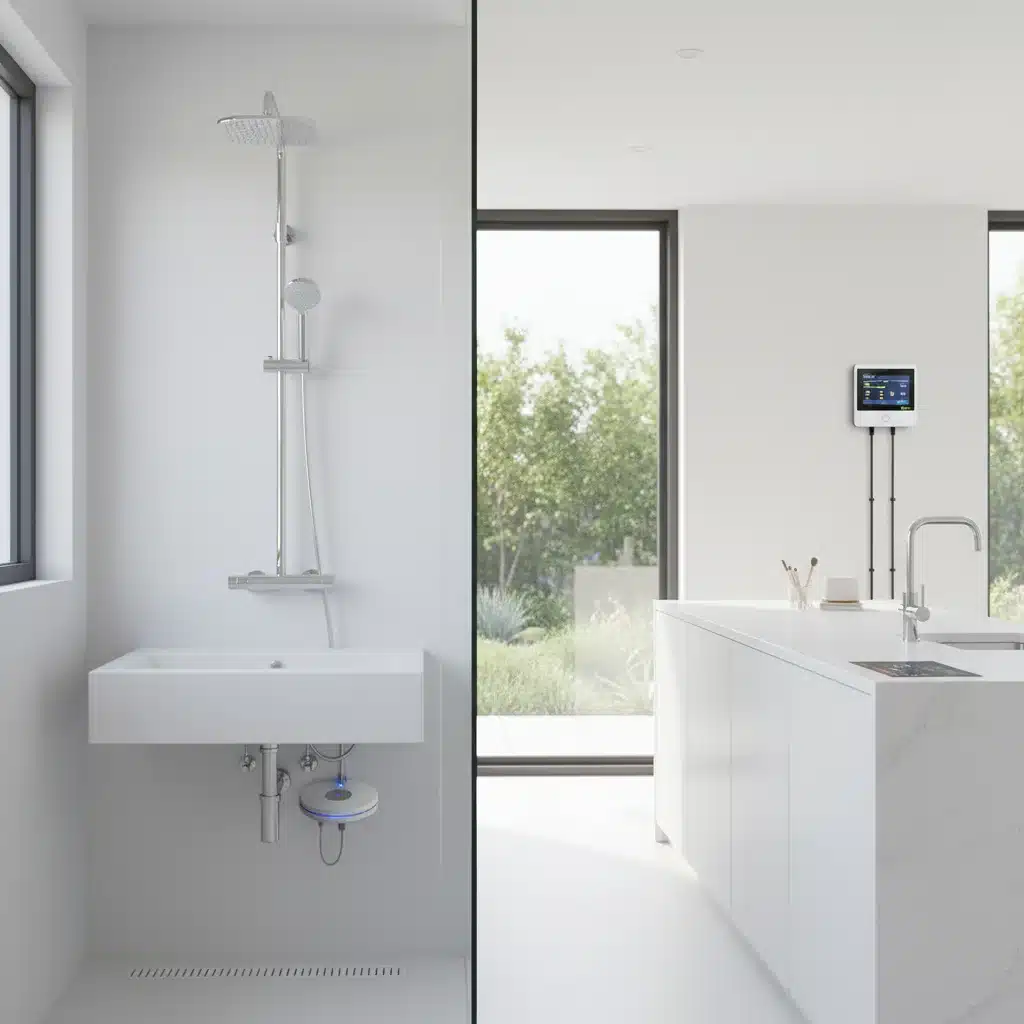
Smart leak detectors are small, battery-powered sensors that you place in areas prone to leaks, such as under sinks, near water heaters, washing machines, dishwashers, and toilets. These devices use advanced technology to detect even the smallest presence of water. Upon detection, they immediately send an alert to your smartphone via a dedicated app, email, or even a text message. Some advanced models can also emit an audible alarm to notify you if you’re home.
The true power of these systems is amplified when paired with an automatic shut-off valve. This valve is installed on your home’s main water line. When a leak detector senses water, it communicates wirelessly with the shut-off valve, which then automatically closes, stopping the flow of water to your entire home. This prevents further damage and massive water waste, providing unparalleled peace of mind.
Benefits of Smart Leak Detectors:
- Prevent Catastrophic Damage: By shutting off water supply instantly, these devices can save you from extensive water damage to your property, which can cost thousands in repairs.
- Significant Water Savings: Eliminating undetected leaks can dramatically reduce your water consumption and, consequently, your water bills.
- Early Detection: Catching leaks early means smaller repairs and less inconvenience.
- Peace of Mind: Knowing your home is protected 24/7, even when you’re away, is invaluable.
- Insurance Discounts: Some insurance providers offer discounts for homes equipped with smart leak detection systems due to the reduced risk of water damage claims.
Investing in a robust smart leak detection system with an automatic shut-off valve is arguably one of the most impactful steps you can take towards effective smart water conservation. It’s a proactive measure that protects your home and your wallet.
2. Smart Shower Heads: Revolutionizing Your Daily Routine
Showers are a major contributor to household water consumption. While traditional advice suggests taking shorter showers, smart shower heads offer an innovative way to manage and reduce water usage without necessarily sacrificing your comfort or duration. These devices bring an intelligent approach to your daily hygiene routine, making smart water conservation an integral part of personal care.
How They Work:
Smart shower heads come in various forms, each with unique features designed to conserve water. Some models incorporate flow restrictors that maintain adequate water pressure while significantly reducing the amount of water used per minute. Others include built-in timers or LED indicators that change color to signal when you’ve reached a pre-set showering duration or water consumption limit. More advanced versions connect to a smartphone app, allowing you to track your water usage over time, set personal goals, and even receive personalized tips for further conservation.
A particularly innovative feature found in some smart shower heads is water recycling technology. These systems capture, filter, and reheat water during your shower, significantly reducing the amount of fresh water needed. While these are often more complex installations, they represent the pinnacle of water-saving technology for showers.
Benefits of Smart Shower Heads:
- Reduced Water Consumption: By optimizing flow rates and providing real-time feedback, smart shower heads can cut shower water usage by 10-30%.
- Lower Energy Bills: Less hot water used means less energy expended to heat it, leading to savings on your energy bill as well.
- Behavioral Change: The real-time feedback encourages users to be more mindful of their showering habits, fostering long-term conservation practices.
- Customizable Experience: Many smart shower heads allow you to customize settings to balance comfort with conservation goals.
Embracing a smart shower head is a simple yet powerful way to contribute to smart water conservation efforts, proving that small changes can lead to significant cumulative savings.
3. Smart Irrigation Systems: Watering Your Garden Wisely
Outdoor water usage, primarily for lawn and garden irrigation, can account for a substantial portion of a household’s total water consumption, especially in warmer climates. Traditional irrigation systems often waste water by watering on a fixed schedule, regardless of actual need. Smart irrigation systems, however, employ intelligent technology to ensure your landscape receives precisely the right amount of water, making them crucial for effective smart water conservation.
How They Work:
Smart irrigation controllers connect to local weather forecasts and integrate with soil moisture sensors placed throughout your garden. Based on real-time data from these sources, the system automatically adjusts watering schedules. If rain is predicted, or if the soil already has sufficient moisture, the system will skip or reduce watering cycles. Conversely, during dry spells, it can increase watering as needed.
These systems also account for various factors such as plant type, soil type, slope, and sun exposure in different zones of your garden. This granular control ensures that each area receives optimal hydration, preventing both under-watering and over-watering. Most smart irrigation systems are controlled via a smartphone app, allowing you to monitor and adjust settings from anywhere.
Benefits of Smart Irrigation Systems:
- Significant Outdoor Water Savings: By eliminating unnecessary watering, smart irrigation can reduce outdoor water use by 30-50% or even more.
- Healthier Landscape: Optimal watering leads to healthier plants, lawns, and gardens, reducing the risk of disease and promoting vigorous growth.
- Convenience: No more manually adjusting sprinklers or worrying about watering schedules. The system handles it all automatically.
- Flexibility: Easily manage multiple zones in your garden with tailored watering plans.
- Environmental Impact: Reducing water waste helps conserve a precious natural resource and lessens the strain on local water supplies.
For homeowners with gardens or lawns, a smart irrigation system is an essential investment for maximizing smart water conservation and maintaining a beautiful, thriving outdoor space efficiently.
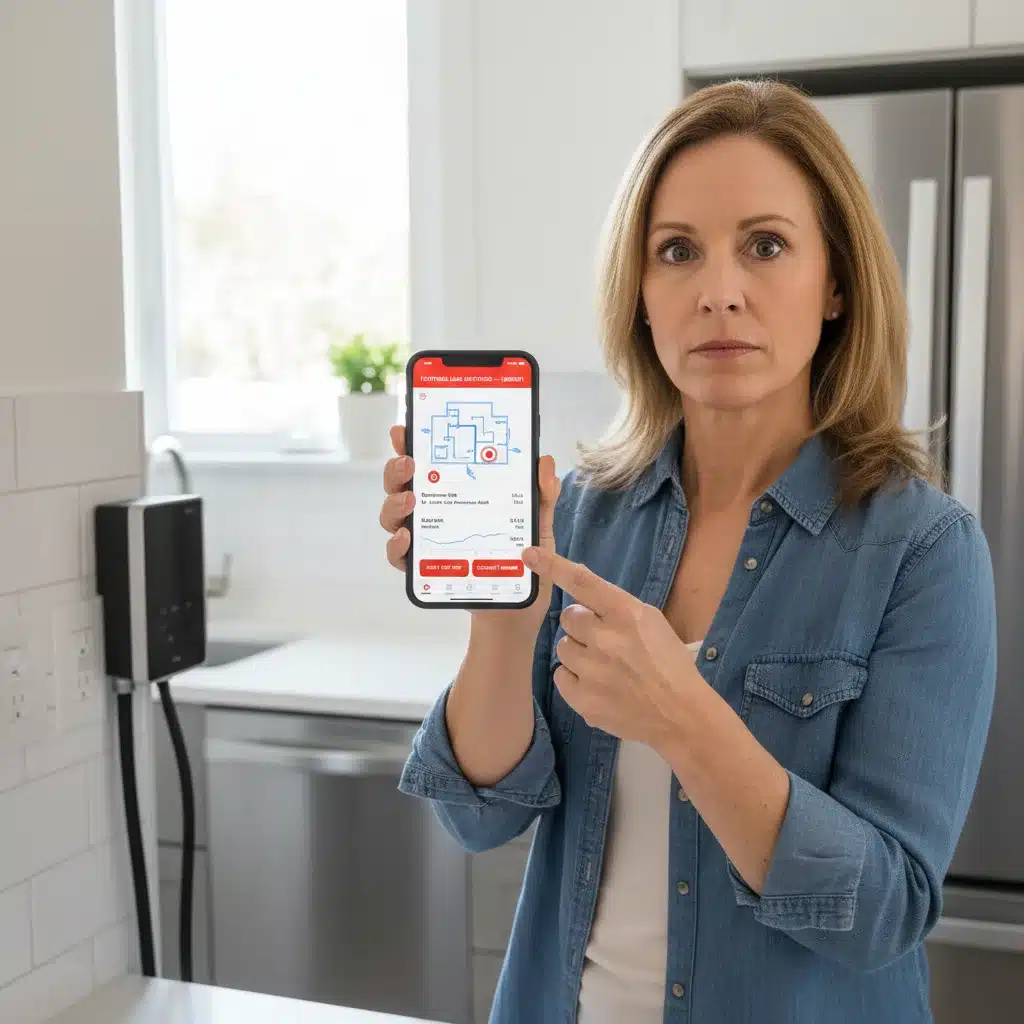
4. Smart Water Meters and Monitors: Gaining Insight into Your Usage
Before you can effectively reduce water consumption, you need to understand where and how you’re using it. Smart water meters and monitors provide invaluable insights into your household’s water usage patterns, empowering you to identify inefficiencies and make informed decisions for better smart water conservation.
How They Work:
Unlike the utility company’s traditional water meter, which only provides monthly totals, smart water monitors are installed on your home’s main water line and provide real-time data on your water consumption. These devices use ultrasonic technology to measure water flow with high precision, sending data wirelessly to a connected app on your smartphone or a web portal.
The app typically displays your water usage in gallons per minute, hour, day, week, or month. It can categorize usage by identifying specific fixtures or appliances (e.g., shower, toilet, washing machine) based on their unique flow patterns. Many systems also include leak detection capabilities, alerting you to unusual flow patterns that might indicate a hidden leak or a running toilet.
Benefits of Smart Water Meters and Monitors:
- Real-Time Usage Data: Gain an immediate understanding of how much water you’re using at any given moment.
- Identify Water Waste: Pinpoint exactly which activities or appliances are consuming the most water, allowing you to target areas for reduction.
- Leak Detection: Receive alerts for unusual or continuous water flow, indicating potential leaks that might otherwise go unnoticed.
- Set Goals and Track Progress: Use the app to set water-saving goals and monitor your progress over time, fostering a sense of accomplishment and encouraging further conservation.
- Educational Tool: Educate all household members about water consumption and the impact of their habits.
- Reduced Bills: By understanding and optimizing your usage, you can significantly lower your monthly water bills.
A smart water meter or monitor serves as the brain of your home’s smart water conservation efforts, providing the data necessary to make informed choices and drive substantial savings.
Integrating Smart Devices for Maximum Impact
While each of these smart devices offers significant benefits on its own, their true potential for smart water conservation is unleashed when they are integrated into a cohesive smart home ecosystem. Imagine a scenario where your smart water meter detects unusually high overnight usage, your leak detector confirms a small drip under the sink, and your automatic shut-off valve immediately closes the main water line, all while you receive instant notifications on your phone. This level of automation and interconnectedness ensures that water waste is minimized, and potential damage is averted.
Many smart home platforms allow different devices to communicate and work together. For instance, some smart irrigation systems can integrate with local weather stations and even smart home assistants to provide voice control over your watering schedule. Similarly, smart water monitors can often be linked to other smart devices to create comprehensive reports on your home’s overall resource consumption.
The goal is to create a seamless, intelligent system that actively manages your water usage without requiring constant manual intervention. This not only makes smart water conservation easier but also more effective and sustainable in the long run.
Beyond Devices: The Mindset of Smart Water Conservation
While smart devices are powerful tools, they are most effective when combined with a conscious mindset towards water conservation. These technologies provide the data and automation, but human behavior remains a critical component. Here are some additional tips to complement your smart water conservation efforts:
- Fix Leaks Promptly: Even with smart detectors, it’s crucial to address any detected leaks as quickly as possible.
- Water-Efficient Appliances: When replacing appliances like washing machines or dishwashers, opt for ENERGY STAR certified models that are designed for water efficiency.
- Low-Flow Fixtures: Install low-flow toilets and faucets in addition to smart shower heads to further reduce water consumption in bathrooms and kitchens.
- Collect Rainwater: Consider installing a rain barrel to collect rainwater for your garden, reducing reliance on municipal water for irrigation.
- Xeriscaping: For outdoor areas, consider drought-resistant landscaping (xeriscaping) that requires minimal water.
- Educate Your Household: Ensure everyone in your home understands the importance of water conservation and how to use smart devices effectively.
By adopting these practices alongside your smart devices, you create a holistic approach to water management that yields maximum benefits for both your budget and the environment.
Conclusion: Embracing a Water-Smart Future
The journey towards a more sustainable and cost-effective home environment is greatly enhanced by the integration of smart technology. The top four smart devices discussed – smart leak detectors with automatic shut-off valves, smart shower heads, smart irrigation systems, and smart water meters/monitors – offer concrete, measurable ways to achieve significant reductions in your household’s water consumption. By embracing smart water conservation, you can realistically cut your water usage by 25% or more, leading to substantial annual savings on your utility bills.
Beyond the financial benefits, adopting these technologies contributes to a larger global effort to conserve precious natural resources. As populations grow and climate patterns shift, responsible water management becomes increasingly vital. Your investment in smart water-saving solutions is an investment in your home, your finances, and the future health of our planet. Start exploring these innovative devices today and take the first step towards a truly water-smart home.