Smart Home Subscription Costs 2026: Financial Impact & Future Trends
Anuncios
In the relentless march of technological progress, our homes have transformed from mere dwellings into sophisticated, interconnected ecosystems. The promise of unparalleled convenience, enhanced security, and optimized energy usage has driven the widespread adoption of smart home devices. From intelligent thermostats and automated lighting to advanced security systems and voice-controlled assistants, the landscape of modern living is undeniably smarter. However, this convenience often comes at a recurring price, a hidden layer of expenditure that many consumers are only now beginning to fully comprehend: the escalating cost of smart home subscriptions.
Anuncios
As we navigate through 2026, the financial implications of these subscriptions are becoming more pronounced. What once seemed like a minor add-on is now evolving into a significant line item in many household budgets. This article aims to dissect the multifaceted financial impact of smart home subscriptions, exploring not only the direct costs but also the indirect expenditures, potential savings, and the overarching trends shaping this evolving market. We will delve into how these recurring fees accumulate, what consumers can expect in the coming years, and, crucially, how to manage and optimize these expenses to ensure that the convenience of a smart home doesn’t become an unforeseen financial burden.
The Rise of the Subscription Economy in Smart Homes
The concept of subscription services is not new, but its pervasive integration into the realm of smart homes is a relatively recent phenomenon. Initially, many smart devices were marketed as one-time purchases, offering their full functionality straight out of the box. However, manufacturers quickly realized the potential for recurring revenue streams, leading to a paradigm shift. Today, a significant portion of advanced smart home functionalities, from cloud storage for security camera footage to premium features for smart appliances, are locked behind paywalls. This shift has fundamentally altered the ownership experience, transforming what was once a product purchase into an ongoing service agreement.
Anuncios
The appeal of subscriptions for manufacturers is clear: stable, predictable revenue. For consumers, the value proposition is often framed around enhanced features, continuous updates, and professional support. Yet, the cumulative effect of multiple smart home subscriptions can lead to what many are now calling ‘subscription fatigue’ or ‘subscription creep.’ A household might unknowingly be paying for several distinct services, each contributing a small but significant amount to their monthly outgoings. Understanding this fundamental shift is the first step in effectively managing the financial implications of your smart home ecosystem.
Deconstructing the Financial Impact of Smart Home Subscriptions in 2026
By 2026, the average household with a comprehensive smart home setup could easily be spending a substantial amount on subscription fees. Let’s break down the common categories where these costs typically arise:
1. Security and Surveillance
- Cloud Storage for Cameras: Most smart security cameras (e.g., Arlo, Ring, Nest) offer limited free cloud storage, often only for a few days or hours. To access extended video history, advanced motion detection, person/package alerts, and 24/7 continuous recording, a monthly subscription is almost always required. These can range from $3 to $10 per camera per month, or $10 to $20 for a whole-home plan.
- Professional Monitoring: For smart alarm systems (e.g., SimpliSafe, ADT, Ring Alarm), professional monitoring services connect your system to a central station that dispatches emergency services. This is a crucial safety feature but comes with a significant monthly fee, typically ranging from $15 to $50, depending on the level of service and features included (e.g., cellular backup, environmental monitoring).
- Advanced AI Features: Newer security systems are integrating advanced AI for facial recognition, pet detection, and anomaly alerts. These cutting-edge features are increasingly being offered as premium add-ons through subscription tiers.
2. Smart Home Hubs and Ecosystems
- Premium Hub Features: While many smart home hubs (e.g., Samsung SmartThings, Hubitat) are one-time purchases, some platforms are beginning to offer premium subscription tiers for advanced automation, deeper integrations, or enhanced data analytics about your home’s performance.
- Voice Assistant Services: While basic voice commands are free, some advanced features or integrations with specific services might eventually require a subscription, though this is less common currently for core functionalities.
3. Entertainment and Media Integration
- Multi-room Audio: While the devices are purchased, integrating various music streaming services into a seamless multi-room audio experience often relies on existing music subscriptions (Spotify, Apple Music, etc.), which, while not direct smart home subscriptions, are part of the broader connected home entertainment budget.
- Media Servers: For those running personal media servers (e.g., Plex), premium features like mobile syncing, advanced metadata, or hardware transcoding might require a Plex Pass subscription.
4. Energy Management and Utilities
- Smart Thermostat Data Analytics: Some smart thermostats (e.g., Ecobee, Nest) offer detailed energy reports and personalized recommendations for optimizing energy usage. While basic functionality is free, more in-depth analytics or predictive features could become subscription-based.
- Connected Appliance Services: Smart refrigerators that manage grocery lists, smart ovens with advanced recipe suggestions, or smart washing machines that optimize cycles based on utility rates – these features might eventually transition to subscription models for ongoing content or service delivery.
5. Smart Lighting and Automation
- Advanced Scene Management: While basic smart lighting control is free, some platforms might introduce subscription tiers for highly complex, dynamic lighting scenes, or integration with external data sources (e.g., weather-based lighting adjustments).
- Automation Engines: For extremely complex, custom home automation routines that go beyond simple ‘if-then’ statements, some advanced automation platforms might offer subscription-based access to their full suite of tools and cloud processing power.
The Cumulative Effect: ‘Subscription Creep’
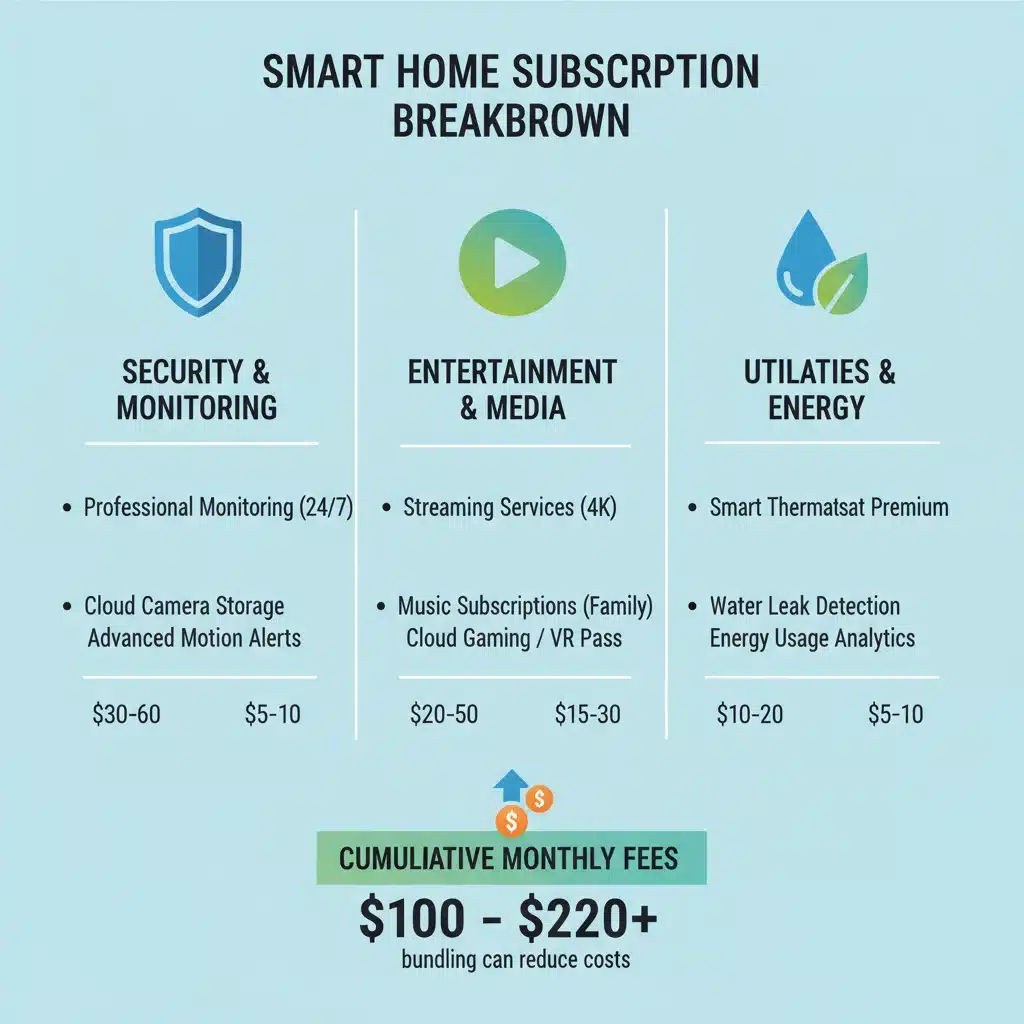
Individually, a $5/month fee for cloud storage or a $15/month fee for professional monitoring might seem negligible. However, when you combine these with subscriptions for smart locks, advanced lighting features, and potentially even premium access to smart appliance functionalities, the total can quickly become substantial. This phenomenon, often termed ‘subscription creep,’ means that many households are unknowingly spending hundreds of dollars annually on services that, while convenient, are not always fully utilized or even necessary.
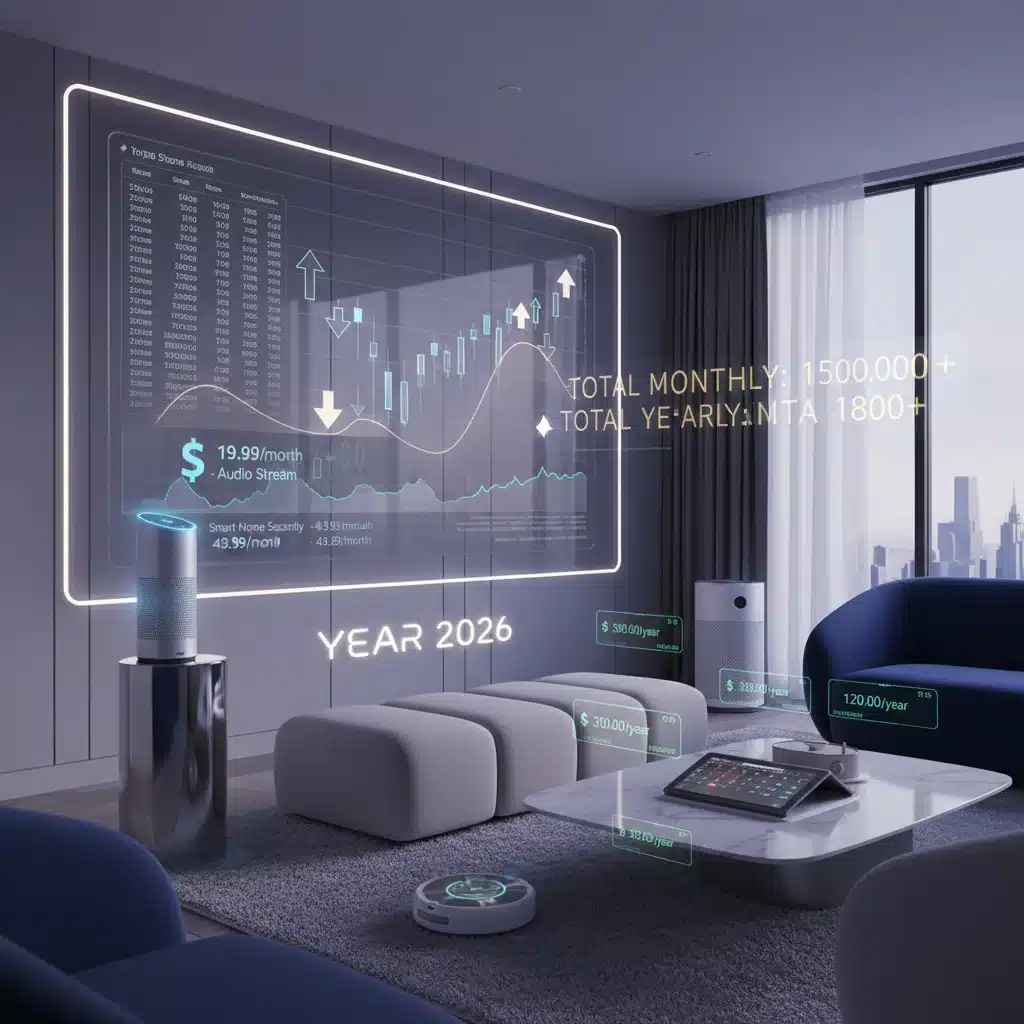
By 2026, it’s not uncommon for a fully equipped smart home to incur monthly subscription costs ranging from $30 to $100, or even more for high-end security and multiple premium services. Over a year, this translates to $360 to $1200+, a significant sum that rivals or even exceeds other utility bills. The challenge for consumers is to keep track of these disparate services and evaluate their true value against the recurring cost.
Hidden Costs and Unforeseen Expenses
Beyond the direct monthly fees, there are several hidden costs associated with smart home subscriptions:
- Vendor Lock-in: Once you invest heavily in one ecosystem (e.g., Ring, Nest, Arlo), switching to another can be costly. Your existing devices might not be compatible, forcing you to repurchase hardware or continue paying for a service you’re not entirely satisfied with.
- Data Usage: While most home internet plans offer unlimited data, extensive cloud uploads from multiple high-resolution security cameras can consume significant bandwidth, potentially leading to slower network performance or, in rare cases, exceeding data caps if you have one.
- Hardware Depreciation: Smart home devices, especially those reliant on cloud services, can become obsolete if the manufacturer discontinues support or modifies its subscription model. Without the subscription, a perfectly functional piece of hardware might lose significant functionality.
- Increased Energy Consumption: While smart homes aim to save energy, the devices themselves consume power. A large number of always-on, connected devices, especially those with powerful processors for AI features, can contribute to your electricity bill.
- Privacy Concerns: While not a direct financial cost, the trade-off for convenience often involves sharing personal data. Consumers might unknowingly agree to terms that allow companies to collect and analyze their usage patterns, which has an indirect ‘cost’ in terms of personal privacy.
Future Trends in Smart Home Subscriptions (2026 and Beyond)
The landscape of smart home subscriptions is dynamic and constantly evolving. Here are some key trends we can expect to see in 2026 and beyond:
- Bundled Services: Expect more companies to offer bundled subscription packages that combine multiple services (e.g., security, energy management, entertainment) from a single provider at a discounted rate. This aims to reduce subscription fatigue and increase customer loyalty.
- AI-Driven Personalization: Subscriptions will increasingly unlock advanced AI features, offering hyper-personalized experiences, predictive maintenance for appliances, and proactive problem-solving within the home.
- Health and Wellness Integration: As smart homes become more sophisticated, subscriptions for health monitoring, elderly care, and personalized wellness routines (e.g., air quality management, sleep tracking integrated with home environment) will emerge.
- Insurance Partnerships: Smart home technology can reduce risks. We may see more partnerships between smart home providers and insurance companies, offering discounted premiums to subscribers who use certain monitored security or leak detection systems.
- Hardware-as-a-Service (HaaS): Some premium devices might shift towards a HaaS model, where the hardware itself is effectively leased through a subscription, with upgrades and maintenance included. This reduces the upfront cost but locks consumers into long-term contracts.
- Interoperability Challenges: While standards like Matter aim to improve interoperability, proprietary subscription ecosystems will likely persist, creating challenges for consumers who wish to mix and match devices from different brands without incurring multiple subscription fees.
- Tiered Pricing Models: Basic functionalities will remain free or low-cost, but premium features, enhanced support, and advanced analytics will be reserved for higher-tier subscriptions, allowing consumers to choose their desired level of service.
Strategies for Managing Your Smart Home Subscription Budget
Given the increasing financial impact of smart home subscriptions, proactive management is essential. Here are actionable strategies to keep your costs in check:
1. Audit Your Current Subscriptions
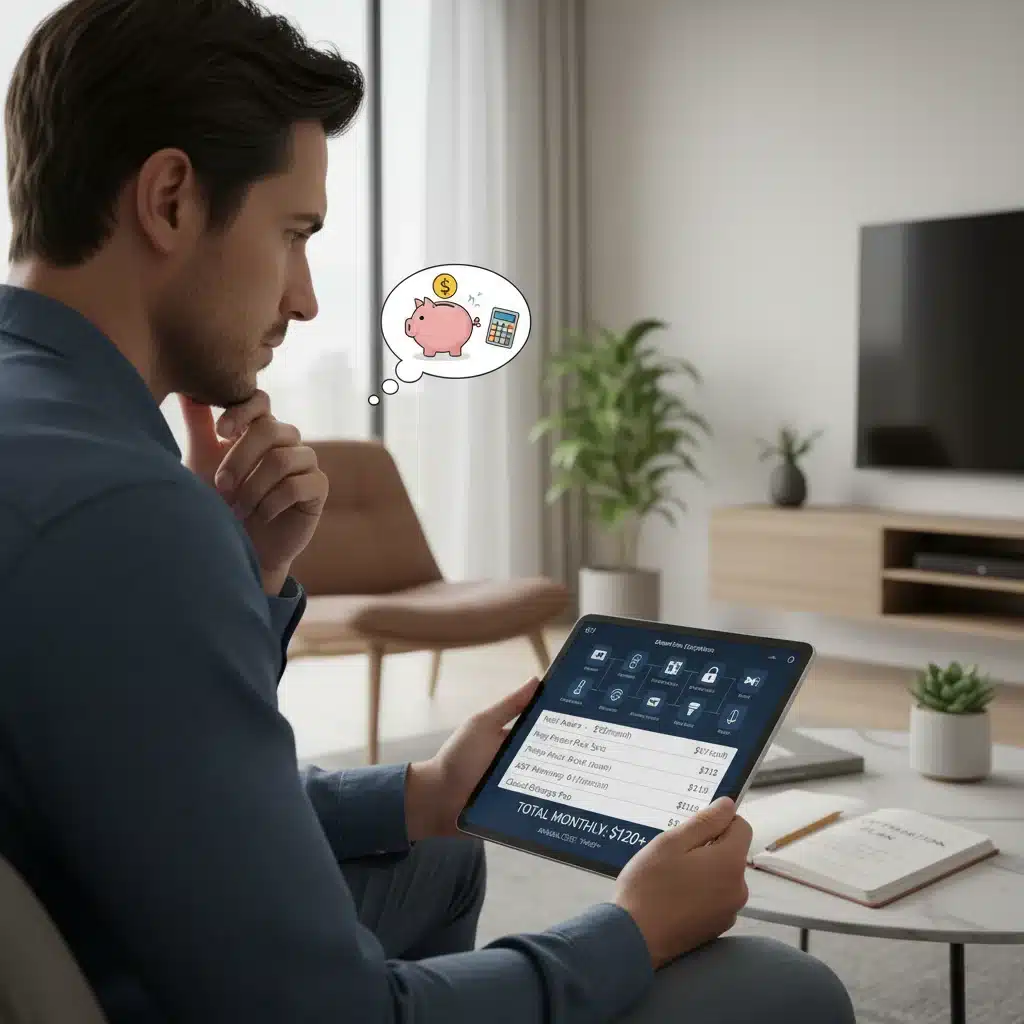
The first step is to know exactly what you’re paying for. Create a comprehensive list of all your smart home devices and identify which ones have associated recurring fees. Many people are surprised to find multiple subscriptions they’ve forgotten about or no longer use. Use budgeting apps or a simple spreadsheet to track these expenses.
2. Prioritize Essential Services
Not all subscriptions are created equal. Prioritize services that offer genuine value and enhance safety or convenience significantly. For instance, professional security monitoring might be a non-negotiable for some, while extended cloud storage for a seldom-used camera might be a luxury you can forgo.
3. Leverage Free Tiers and Local Storage
Many devices offer basic functionalities for free. Explore if the free tier meets your needs before committing to a paid subscription. For security cameras, consider devices that support local storage (e.g., SD cards, local NAS drives) to avoid cloud storage fees, especially for less critical areas.
4. Seek Out Bundles and Discounts
As mentioned, bundled services are becoming more common. If you use multiple products from the same brand (e.g., a Ring doorbell and a Ring alarm), check if they offer a discounted package. Some internet providers or insurance companies may also offer smart home service discounts.
5. Optimize Device Usage and Consolidate
Do you actually use all the features unlocked by a subscription? If a smart appliance’s premium features are rarely used, consider if the subscription is truly worth it. Also, aim to consolidate your smart home ecosystem around fewer brands or a more open platform to minimize the number of separate subscriptions.
6. Read the Fine Print
Before purchasing any new smart home device, thoroughly investigate its subscription model. Understand what features are free, what requires a subscription, and what the long-term costs will be. Check for contract lengths, cancellation policies, and price increase histories.
7. Consider DIY Alternatives
For the technically inclined, open-source smart home platforms (e.g., Home Assistant) offer immense flexibility and can often replicate advanced features without recurring fees, though they require more technical setup and maintenance.
8. Regularly Re-evaluate Your Needs
Your smart home needs can change over time. What was essential last year might not be today. Make it a habit to review your smart home subscriptions annually and cancel any that no longer provide sufficient value.
The Environmental and Ethical Considerations
Beyond the purely financial aspects, the proliferation of smart home subscriptions also raises environmental and ethical questions. The constant drive for new features and cloud-based services contributes to increased data center energy consumption. Furthermore, the practice of locking essential functionalities behind paywalls can lead to perfectly good hardware becoming functionally obsolete if a user chooses not to pay, contributing to electronic waste.
Ethically, the increasing reliance on subscriptions shifts ownership from the consumer to the service provider. This raises concerns about data privacy, control over one’s own home environment, and the potential for companies to dictate how consumers use their purchased devices. As we move further into 2026, these considerations will become more prominent in consumer discussions and regulatory debates.
Conclusion: Striking a Balance Between Convenience and Cost
The allure of a fully automated, intelligent home is undeniable. The convenience, security, and efficiency offered by smart home technology can significantly enhance our daily lives. However, the escalating financial impact of smart home subscriptions in 2026 demands a more critical and informed approach from consumers.
By understanding the various categories of subscription fees, recognizing the phenomenon of ‘subscription creep,’ and implementing smart budgeting strategies, homeowners can maintain control over their expenditures. The key lies in striking a careful balance: embracing the innovative benefits of smart home technology while remaining vigilant about the recurring costs. As the smart home market continues to mature, consumers who are proactive and informed will be best positioned to enjoy the future of connected living without falling prey to unforeseen financial burdens. The future of the smart home is bright, but it’s crucial to ensure that its light doesn’t cast a long shadow over your finances.